Expectant mums are often warned about the foods that they shouldn't eat, but what about the foods they can - and should - be prioritising for a healthy pregnancy? Nutrition is a key part of supporting mum's well-being and baby's development during pregnancy, but thankfully, it doesn't have to be overcomplicated.
According to Raquel Monroy, a fertility practitioner and women’s health nutritionist, eating a select few powerhouse ingredients as part of a balanced diet can be the key to a healthy pregnancy - and one 'controversial' food may surprise you.
"Prenatal nutrition is not only vital for a healthy pregnancy but plays a critical role in fetal growth, gene expression, and lifelong health outcomes," Raquel explains. "What an expectant mother eats and how her body metabolises stress and handles toxins, directly impacts her baby’s development at the cellular level."
 © Getty Images
Here, Raquel shares some of the best foods to include during pregnancy, the key nutrients they provide, and a few powerful additions that many women overlook.
Best foods to eat during pregnancy:
Eggs
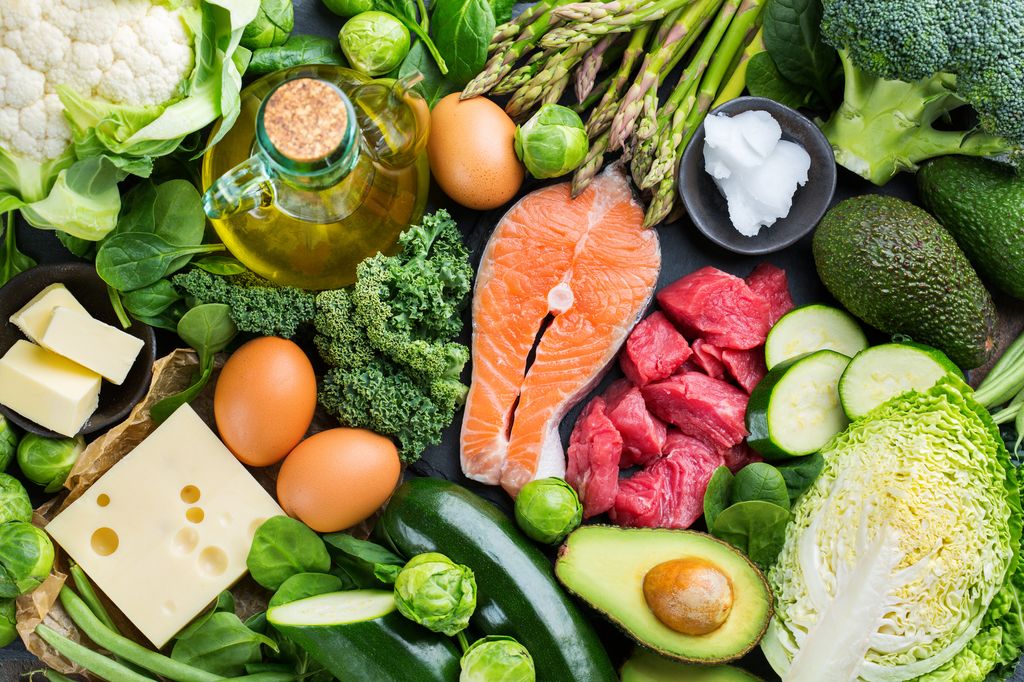
How do you like your eggs? No matter whether scrambled, boiled or poached, eggs should be an important part of your prenatal diet. "Eggs are a nutritional powerhouse in pregnancy. Not only are they a high-quality source of protein, but they’re also rich in choline - a key nutrient shown to reduce the risk of neural tube defects and support brain development, much like folate," Raquel says.
"Eggs also provide omega-3 fatty acids, which help build the baby’s brain and nervous system, as well as vitamin D for immune support. Where possible, choose organic, pasture-raised eggs for higher nutrient density."
Vegetables
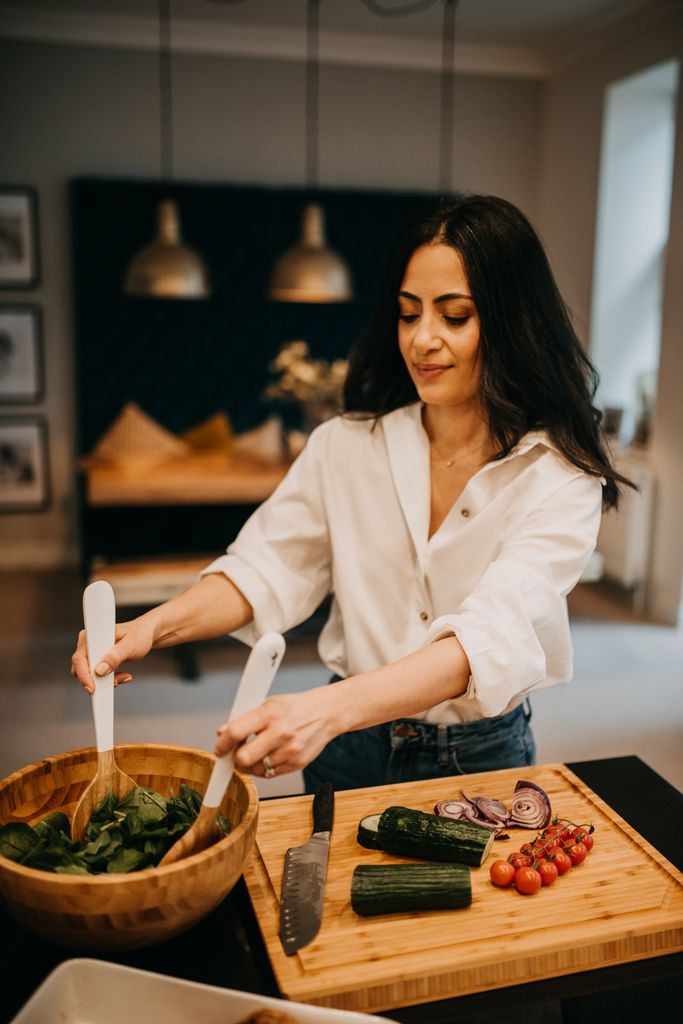
Eating your greens is even more important when you're eating for two, as the nutritionist explains: "Aim for half your plate to be vegetables and focus on variety. Each colour offers different antioxidants, minerals, and phytonutrients that support both mother and baby.
"Vegetables are also rich in fibre, which supports gut health and the maternal microbiome, now known to directly influence the baby’s immune system. Dark, leafy greens in particular are a potent source of folate, the naturally occurring form of folic acid. While folic acid is the synthetic version often added to supplements and fortified foods, up to 60 per cent of the population have genetic variations that make it harder to convert folic acid into the active form, methyl-folate.
"Folate supports the baby’s neural tube development, which forms the brain and spinal cord and plays a key role in DNA synthesis and healthy cell division, especially in early pregnancy."
 © Getty Images
Oily fish
Meanwhile, you should try to add oily fish to your diet on a regular basis, as it offers a number of health benefits. "Fatty fish like wild salmon, sardines, and herring are among the richest sources of omega-3 fatty acids crucial for fetal brain and eye development," Raquel explains. "These fish also supply vital trace minerals like iodine, zinc, and selenium, which are essential for healthy thyroid function critical for both mother and baby."
Protein-rich foods
Eating adequate protein is also vital to support your baby's development. "Protein is the structural foundation of your growing baby. While each individual’s protein needs will differ, a general goal would be to aim for at least 80g of protein per day in the first half of pregnancy. In the second half, aim for at least 100g of protein per day," the fertility practitioner recommends.
"If you are very physically active, you may want to aim higher. Sources include meat, poultry, eggs, legumes, fish, and dairy. These foods also provide iron, zinc, and B vitamins, all essential for maintaining energy, preventing anaemia, and supporting tissue repair and immune strength."
Nutrient-dense foods you might be missing
There are also some other foods that can be particularly beneficial for expectant mums, and one of them may surprise you. "Some foods that expectant mums may not eat often but are particularly important include liver. Liver is the single richest source of iron. Low iron status during pregnancy is a risk factor for preeclampsia and preterm birth. Liver is also rich in fat-soluble vitamins A, D, E and K," Raquel shares.
"There is misinformation about eating liver during pregnancy. Controversy over liver is due to a study linking high-dose synthetic vitamin A to birth defects. Naturally-occurring vitamin A does not exert this toxicity, particularly when consumed with adequate vitamin D and vitamin K2, also found in abundance in liver."
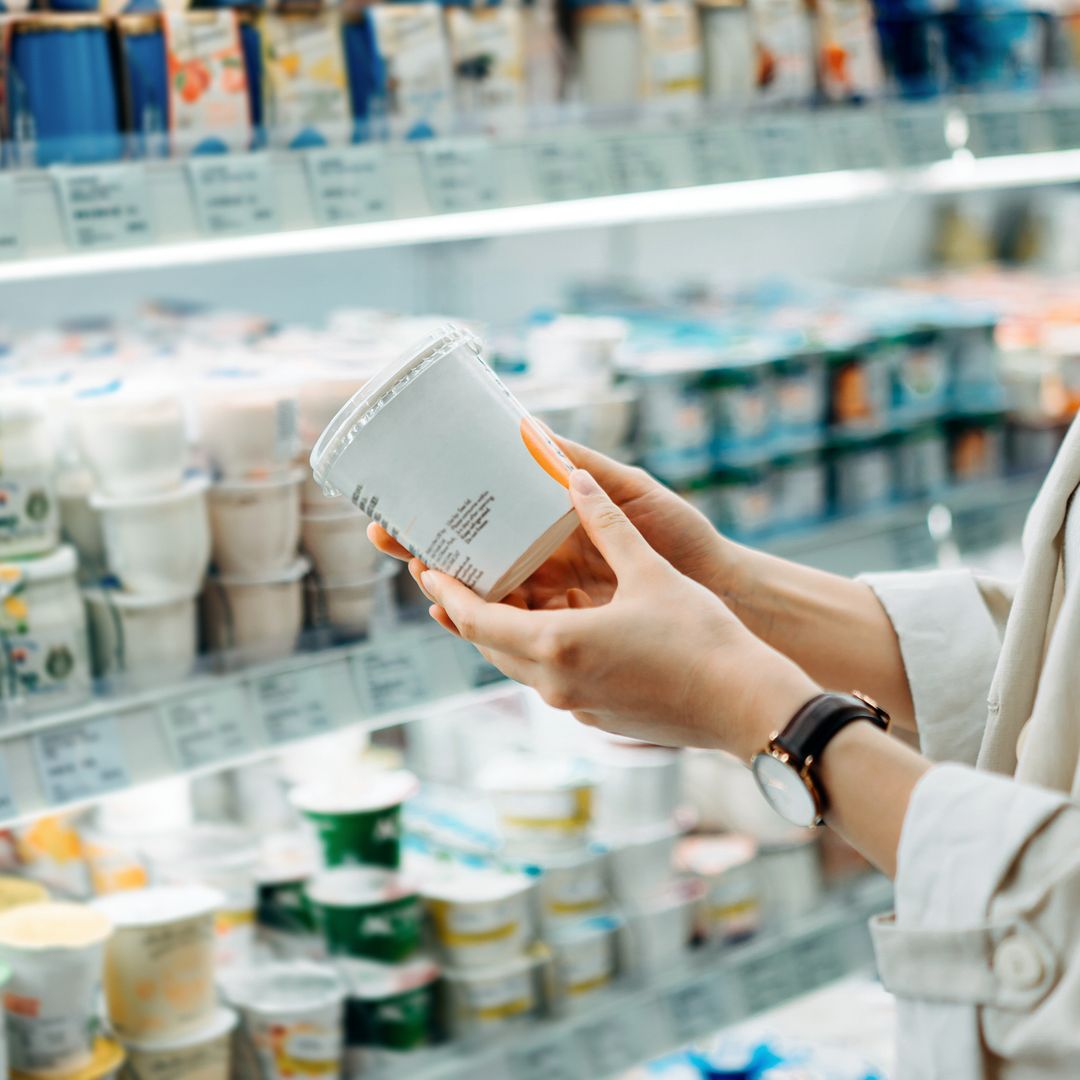
Meanwhile, you may want to consider adding some fermented dairy into your diet for the benefit of both mum and baby. "Fermented dairy like yoghurt, kefir, and aged cheese also deserve a place on the plate. Maternal intake of fermented milk products have been shown to reduce the development of eczema and hayfever in infants," the nutritionist says. "Fermented dairy products also help support bone development in the baby and protect the mother’s bone density as nutrient demands increase."