
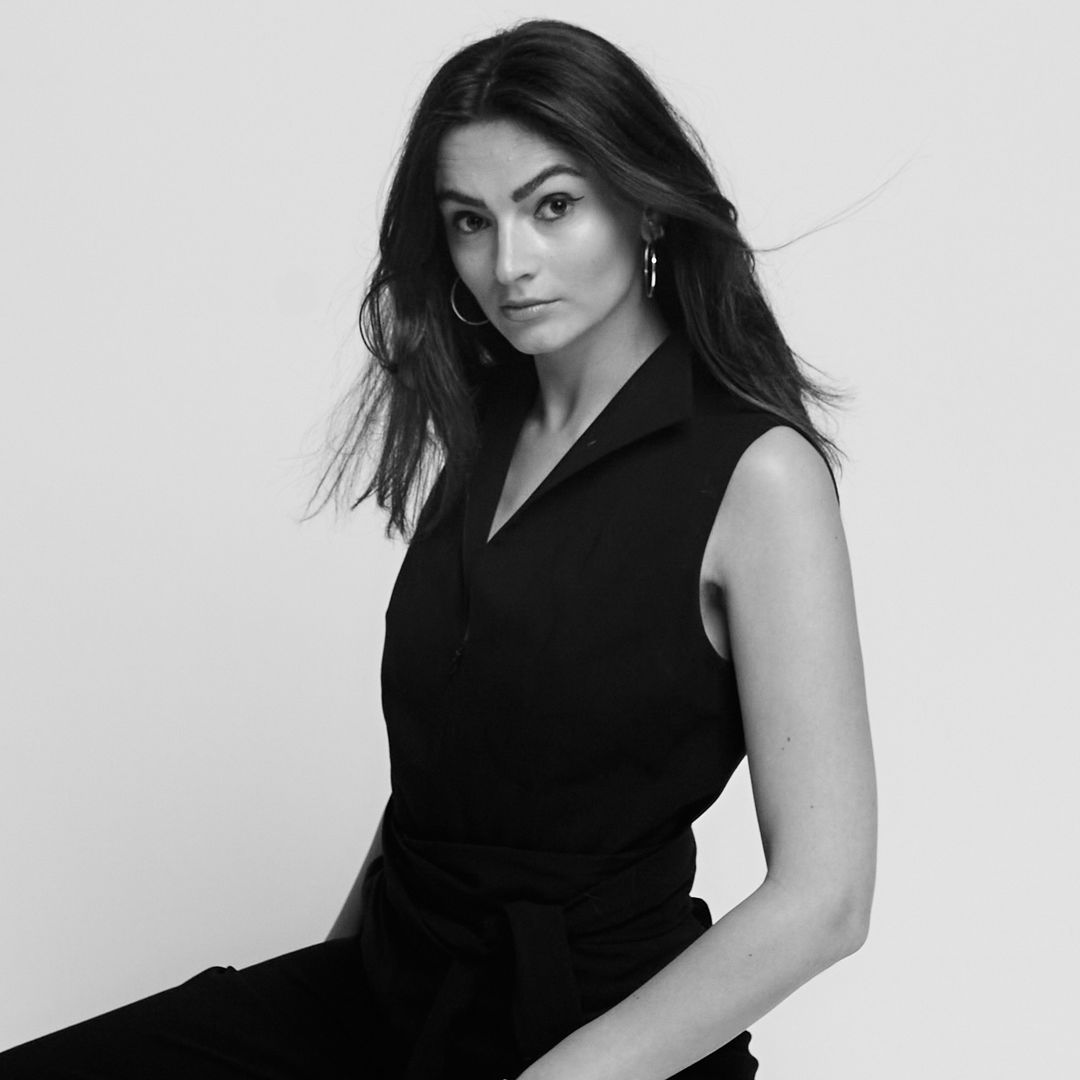
My first bubble skirt formed half of the best outfit I owned as a child. Hailing from DKNY, the charcoal-hued, plaid bubble silhouette was part of a set - the top half being a matching grey long sleeve with a pink diamanté electric guitar across the front. It was truly my mother’s best sourcing work.
Bubble skirts, also known as puffball skirts, are the fashion equivalent of a party popper. With their billowing, cloud-like silhouettes that cinches at the hem and balloons at the hips, they somehow manage to look like both a childhood Pinterest board and a 80s fever dream. A bubble skirt demands to be worn when you’re feeling audacious or want to emulate Cher Horowitz's nonchalant, style-savvy demeanour. Sure, they’re somewhat impractical for everyday wear, but who wants to be functional when you can wear an adorable parachute silhouette?
If, like us, you kept your eyes glued on the epic street style during fashion month, then you will have noticed the influx of bubble skirts emerging from the fashion capitals from New York to Paris. Influencers and industry insiders alike championed the airy design en masse for AW26, styling electric renditions in any and every way possible.
 © Imaxtree
From Iris Law to Hailey Bieber and Kylie Jenner, bubble skirts have been platformed by chronically online trend-setters, cementing them as a Gen Z staple. Naturally, social media informed luxury houses (or - the other way around?) leading designers such as Dior, Aaron Esh, Mugler, Miu Miu, Chopova Lowena, Patou and Area to hone in on the voluminous silhouette.
It makes sense, considering there are several benefits to wearing the design. Firstly, they carry the flirtatiousness of a mini silhouette, without the wearer feeling like they're going to flash someone on the underground escalators. The meringue cut not only toys with one's silhouette, but it elongates the legs, marrying early Aughts preppiness with ironic femininity. Plus, if you’re ever lost at sea, one can simply use their puffed-out pull-on as a raft.
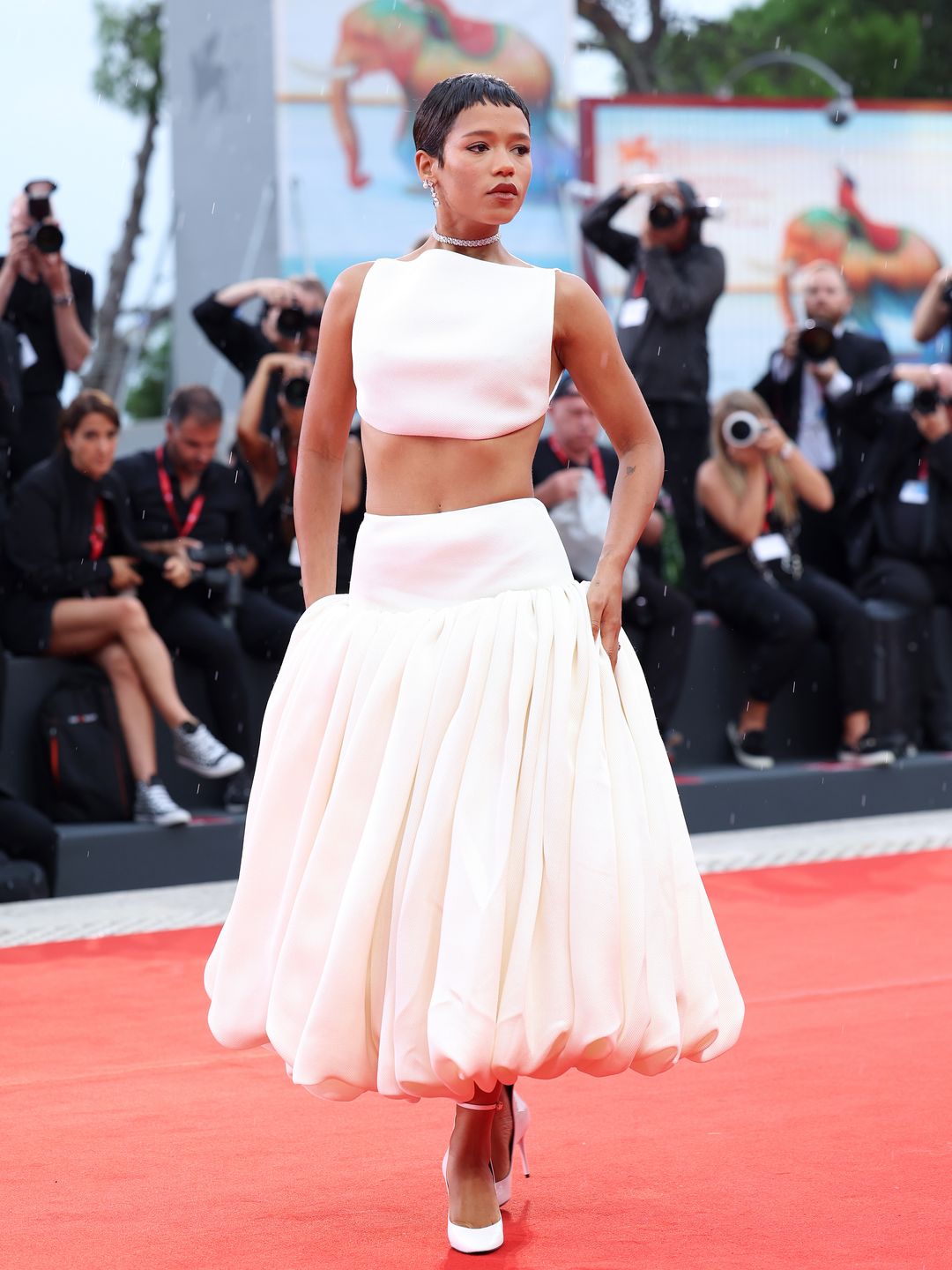 © Getty
 © Getty
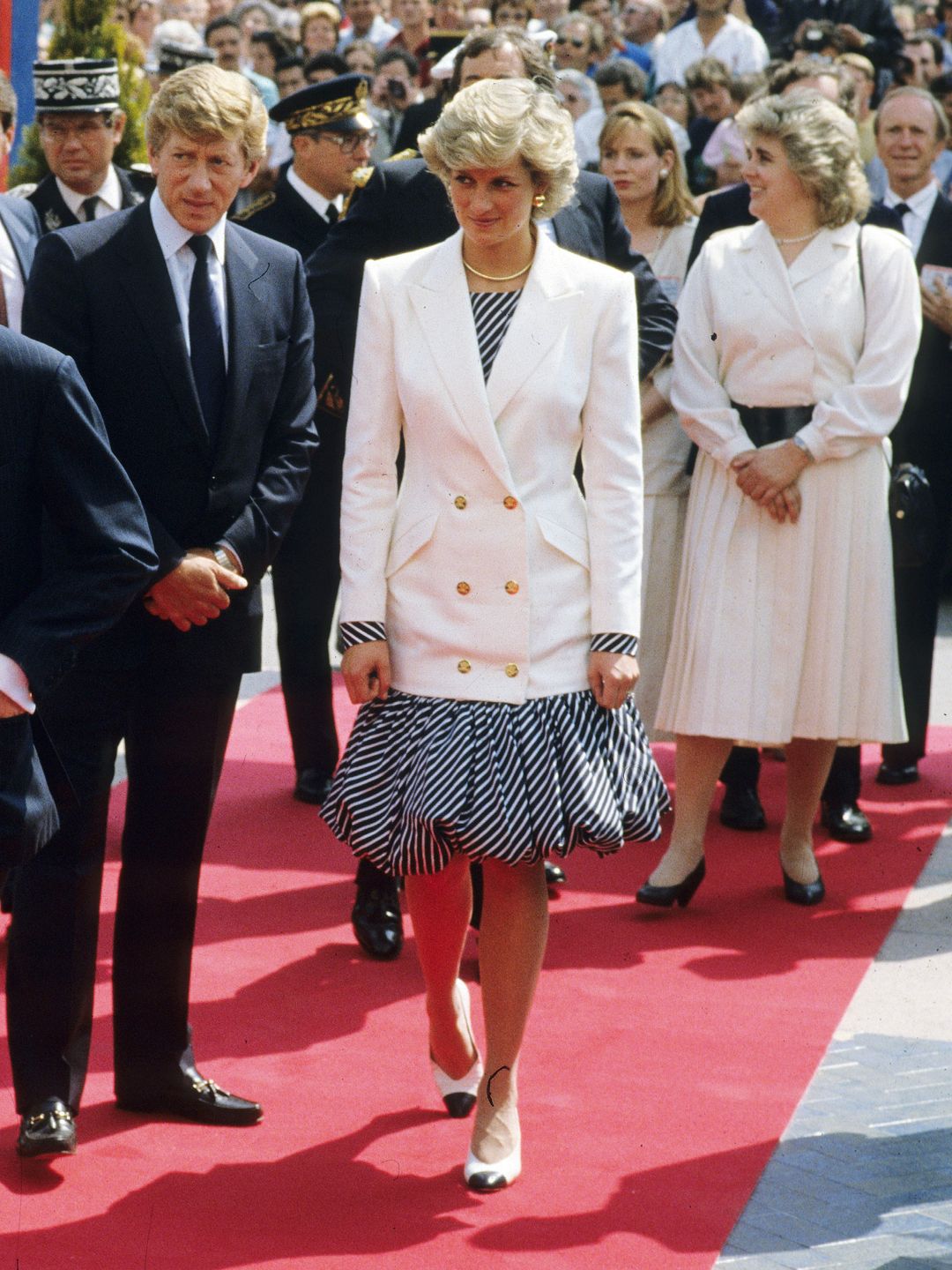
They first made their debut in the 1950s, a time when designers were playing with voluminous, sculpted silhouettes. French couturier Pierre Cardin is often credited with popularising the bubble skirt, introducing it as a playful, exaggerated alternative to the classic, more structured A-line styles of the time.
In the 1980s, the bubble skirt had a major revival, perfectly fitting the era’s love for bold, exaggerated shapes and over-the-top fashion. The style was embraced by designers like Christian Lacroix, who used it to push boundaries, adding vibrant colours and luxe fabrics to the mix.
 © Getty
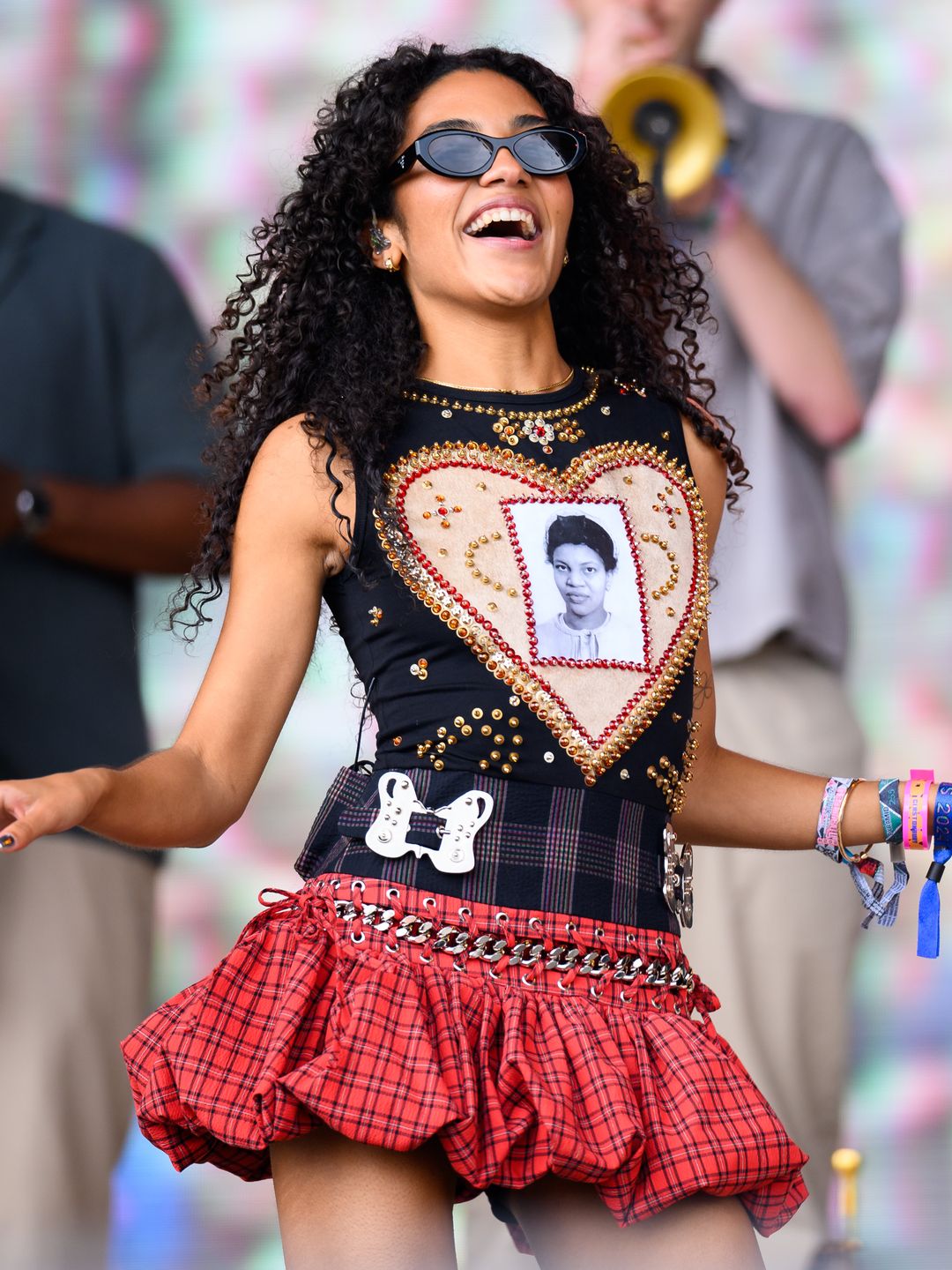
Styled correctly (correctly being with knee-high socks, a graphic top and a loafer-slash-kitten heel for evening) and the revisionist skirts can really pack a sartorial punch. Their versatility means they can be worn for a number of occasions, from twee coffee dates out with the girls to evenings spent with a negroni in hand.
There’s one key issue however. People really hate them. “The bubble skirt will never be cute,” and “Bubble skirts will kill us all,” are just a handful of comments posted on X (AKA Twitter.) Another user mentioned how they entered a New York bar and every girl inside was wearing a bubble skirt. Fashion works hard, but microtrends work harder.
 © Getty
The question is, do you care? Do you care if people don’t like them and do you care that the bubble skirt may be here for a good time, not a long time? If fleeting past trends such as Miu Miu’s biker boots and bows are anything to go by, then this may certainly be the case.
If I still had my DKNY number, I’d wear it today because it was great. Whimsy and delightful gleeful, bubble skirts the peak of unserious fashion. Considering we exist in what feels like a very serious climate, isn’t that always a good thing?
How to style a bubble skirt:
 © Imaxtree
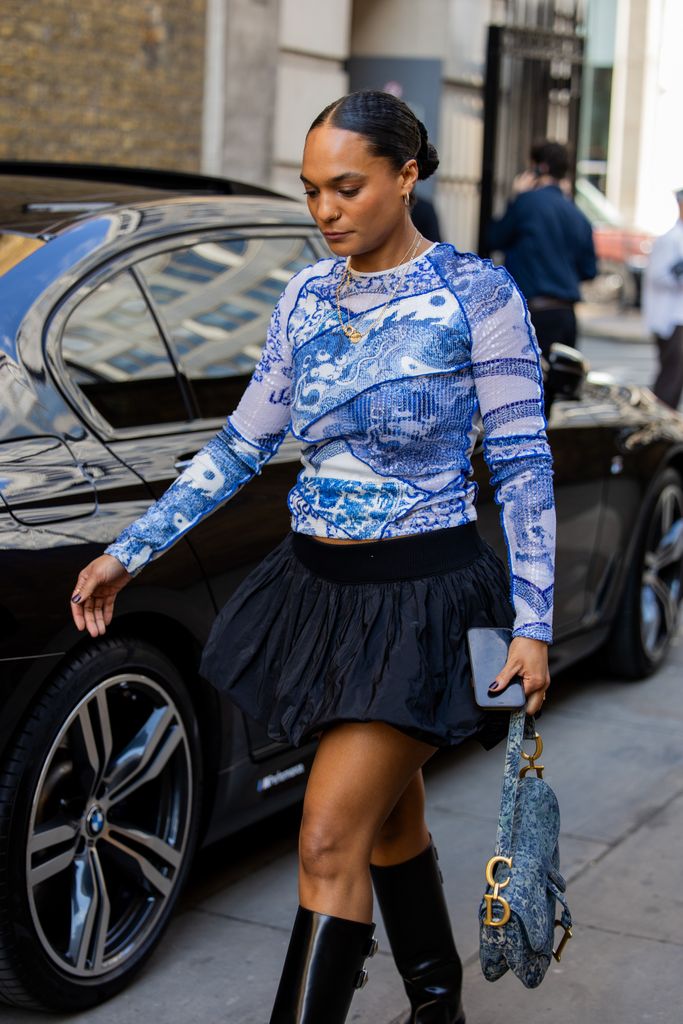
Print Perfection
Get the cool-girl look by pairing your puff ball with a printed graphic tee and knee-high boots. Chopova Lowena would approve.
 © Imaxtree
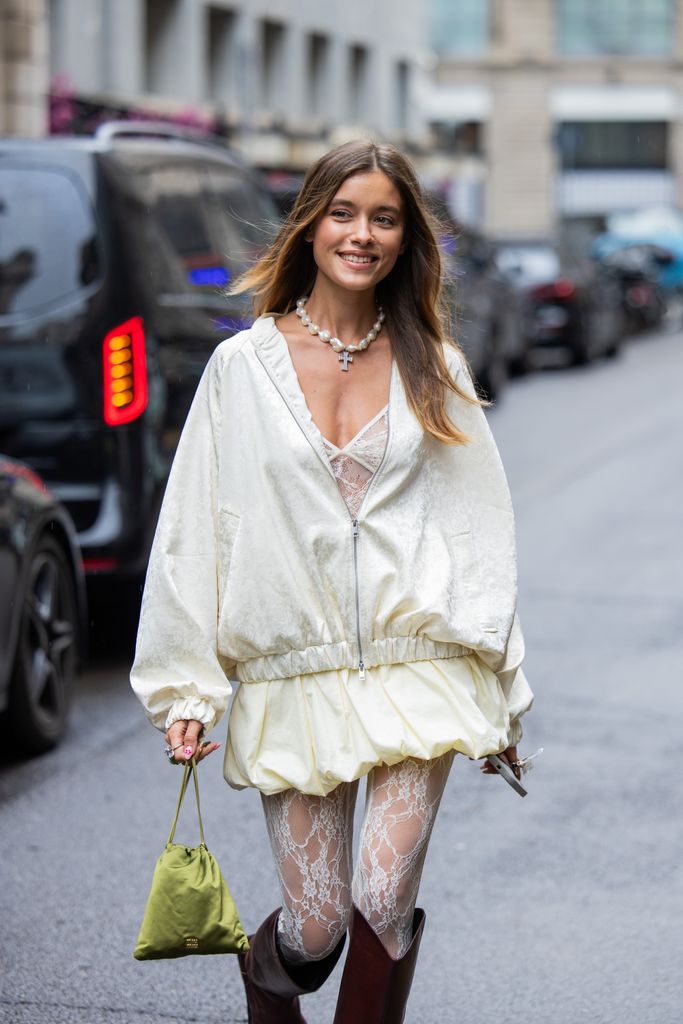
All-White Everything
Unless you're prone to spillage, an all-white aesthetic is a chic option to dabble with. We love the combination of this XL bomber, lace tights and cowboy boots - whimsy yet playful.

Polka Dot
Bubble by name, bubble by nature - Susie Bubble's polka dot skirt caught our eye. Elevated with a dark palette and tights, this spotted piece is perfect for trend lovers across the board.
 © Imaxtree
Biker Girl
While they are inherently feminine, bubble skirts needn't always been overly girly. Inject some biker girl glam into your wardrobe by adding a pair of chunky boots and a thick Y2K belt into the modish mix.
 © Getty Images
Elevated Polish
While many opt for a pair of biker boots to even out the girlishness of the bubble skirt, others double down on the glam. Slip into a pair of heels and a timeless knit for your next date night concoction.
 © Getty Images
Strappy Style
Minimalism will never go out of style - hence a simple strappy cami is always a necessity. Keep things interesting by adding a pair of knee-high socks for a school-girl twist.


