

With temperatures in the UK rising to a record-breaking 35 degrees Celsius this week, everyone is enjoying the unseasonably warm May and getting out and about in the sunshine.
But there's no denying that skyrocketing temperatures can also be uncomfortable, especially in a country where air conditioning is not the standard in homes.
Some might also be wondering how large buildings, like royal residences and palaces, for example, manage to cope during rare heatwaves.
 © Dan Kitwood
King Charles' heatwave hack at enormous royal home
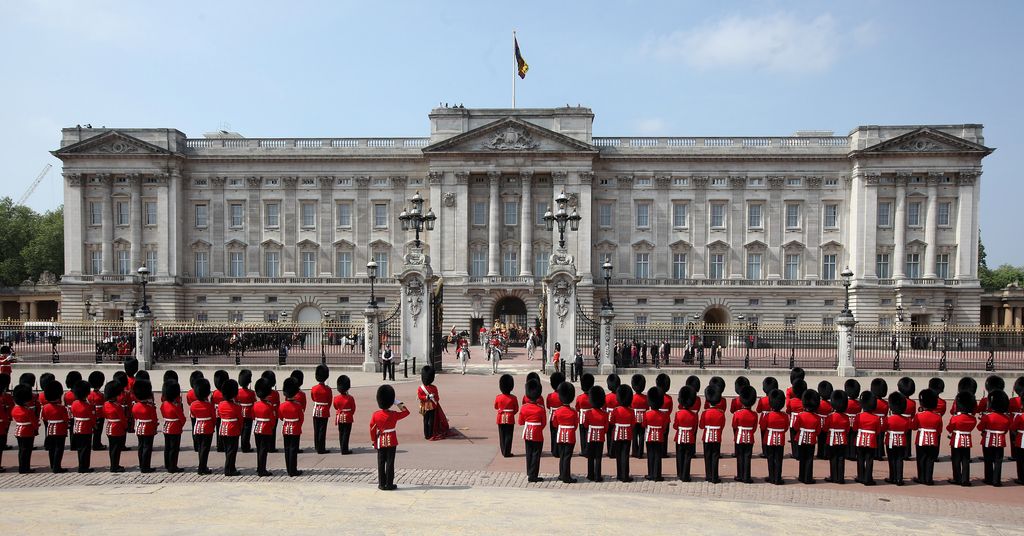
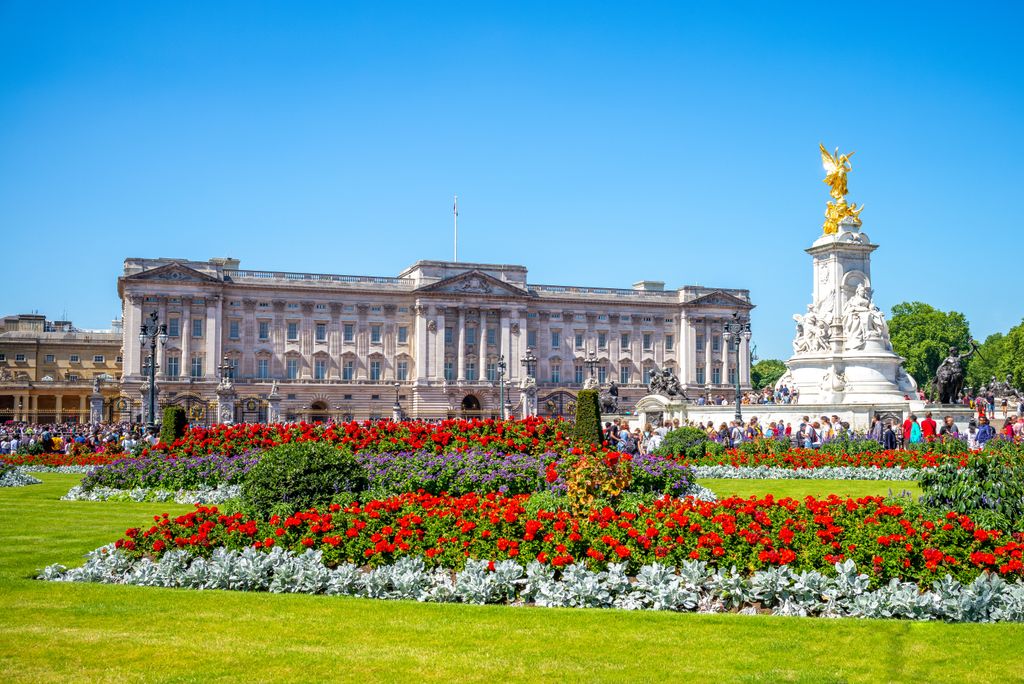
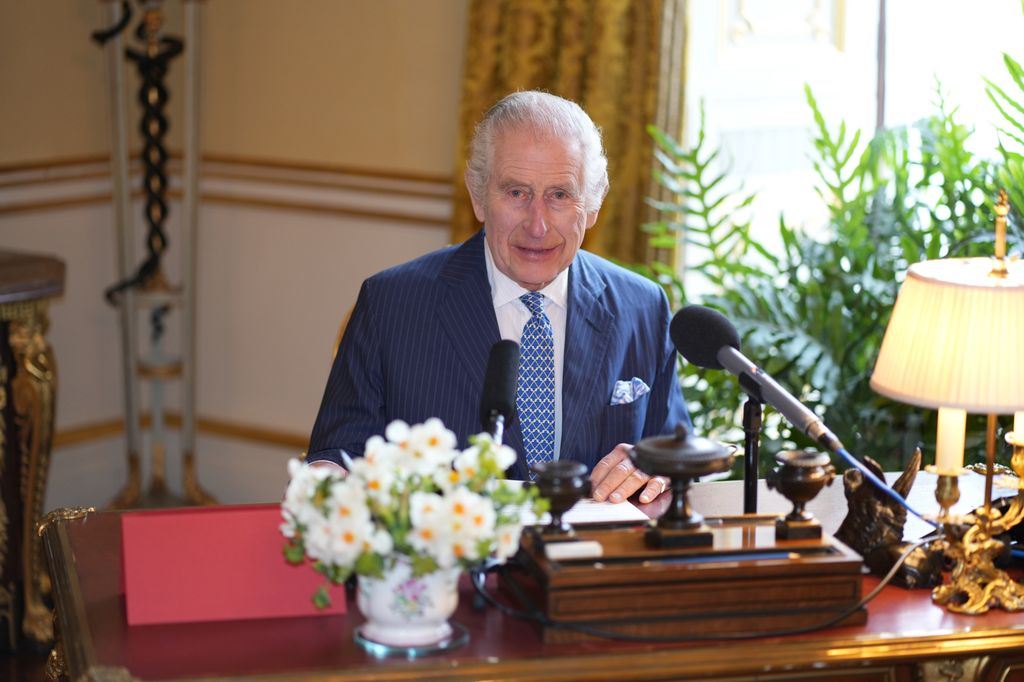
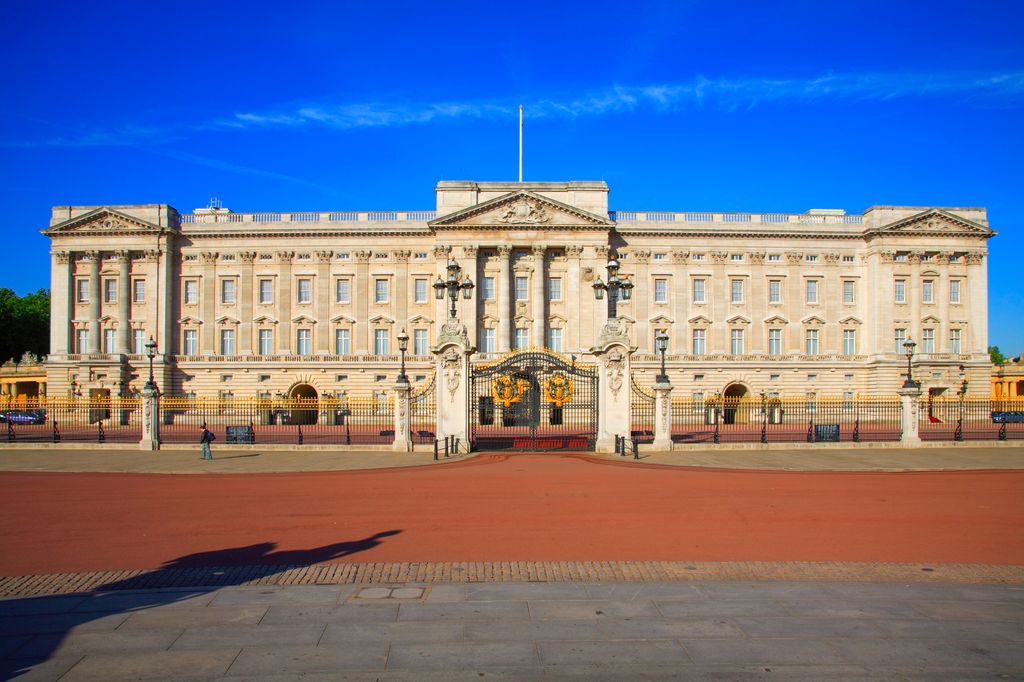
Buckingham Palace is not King Charles and Queen Camilla's main residence, but it serves as their main office, so they naturally spend a lot of time there, along with numerous staff and various members of their team.
The large building has a total of 775 rooms, including 19 State rooms, 52 royal bedrooms, 188 staff rooms, 78 bathrooms and more than 90 offices.
 © Jui-Chi Chan
Keeping a comfortable temperature in check, therefore, is likely no small feat, particularly during rare weeks where the UK has extremely warm weather.
Since Buckingham Palace dates back to the 1700s, the building has, of course, undergone modernisation and renovations to make it manageable today, though air conditioning has not been implemented.
Instead, the historic building relies on what is known as "stack ventilation," according to Ellis Air Conditioning & Heating.
 © Buckingham Palace
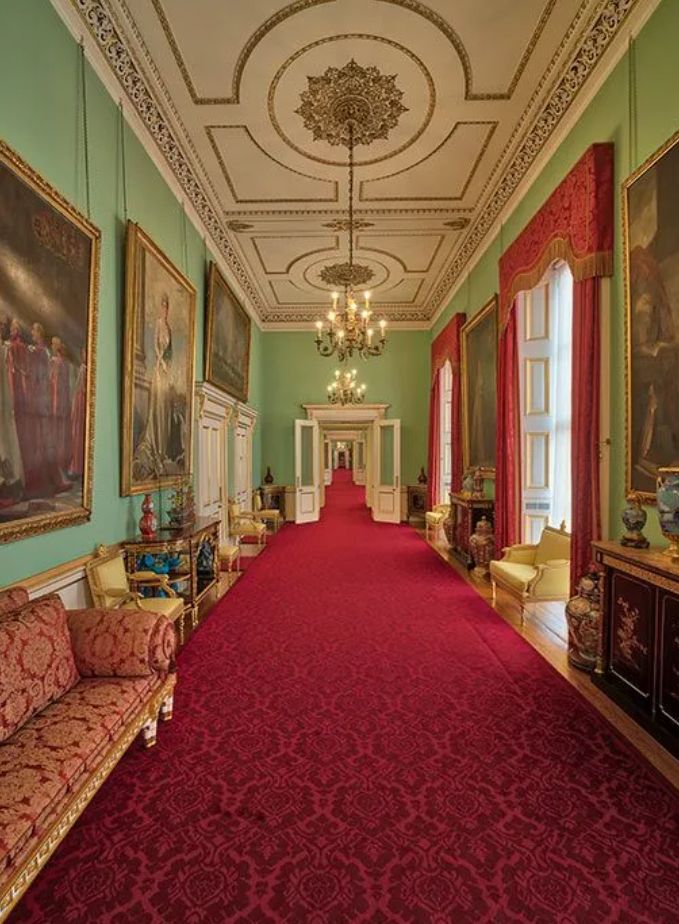
"The palace takes advantage of natural ventilation through its 760 windows and over 1500 doors. Additionally, it employs stack ventilation, a technique where warm air rises and escapes through higher windows, keeping cooler air inside.
"Such architectural details, designed centuries before the invention of air conditioning, help maintain a pleasant environment for the royal residents."
Not only is installing air conditioning not necessarily standard for homes and buildings in the UK, but the monarch is also likely to be keen on keeping energy consumption down as much as possible.
King Charles' green credentials that affect royal residences
King Charles is a vocal and keen advocate for protecting the environment, so minimising energy consumption is an important topic close to his heart.
 © Getty
In 2023, HELLO! reported that heating had been turned down at Buckingham Palace to mitigate high energy consumption.
The annual Sovereign Grant report revealed this interesting fact, detailing that the household temperature was set at 19 degrees C during the winter months and even a few degrees lower when rooms were empty.
The royal residence is also undergoing a ten-year project to update the electrical cabling, plumbing and heating systems, not just for eco reasons but also to protect the building itself.
 © Getty Images
"The building's infrastructure is in urgent need of a complete overhaul to prevent long-term damage to the building and its contents," the royal website explains.
"The most cost-effective way to replace these essential services, and to ensure that The Palace is fit for purpose for the next 50 years, is to undertake a phased programme of works over ten years."


