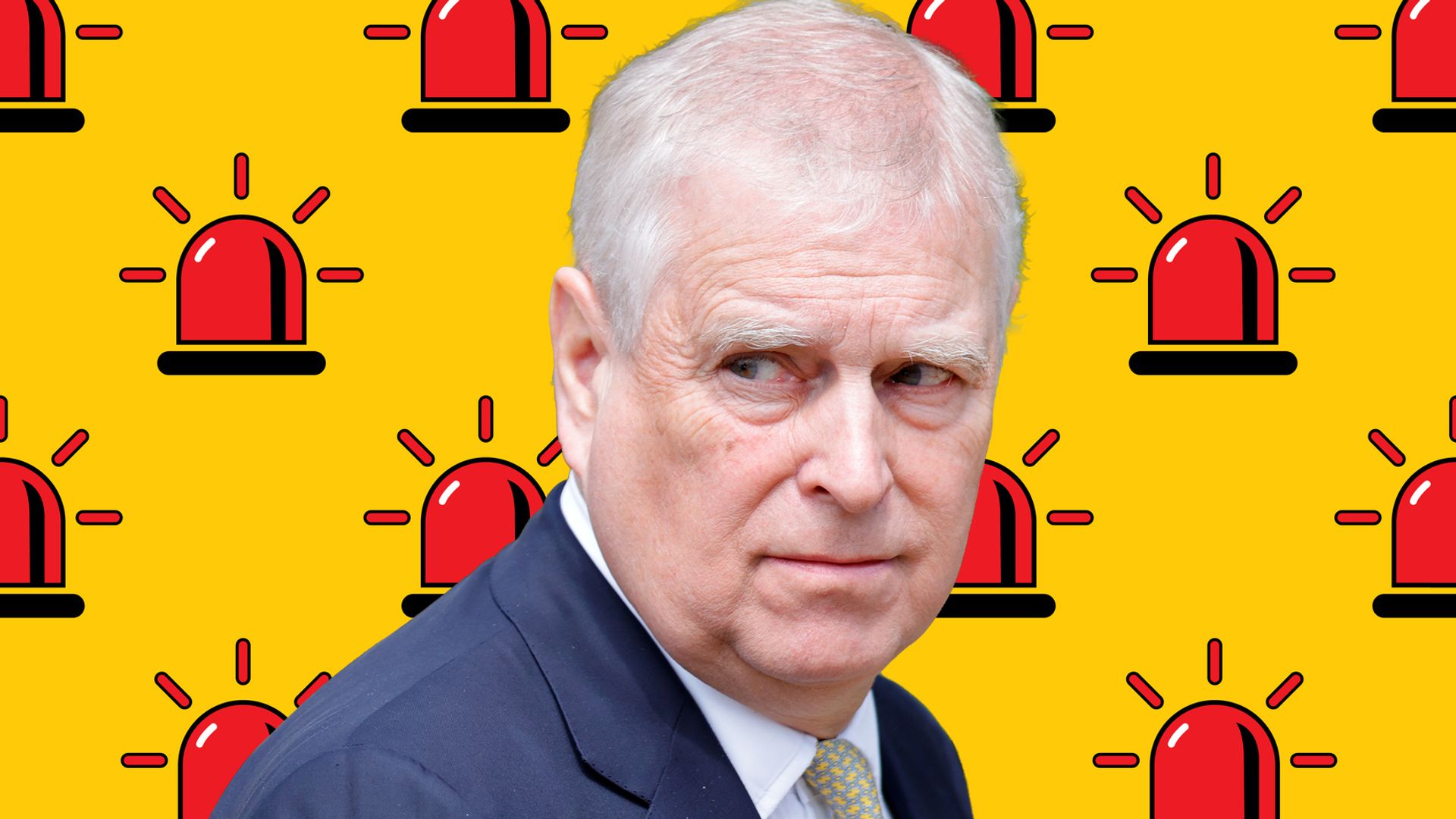

Andrew Mountbatten-Windsor has reached a new low in his fall from grace. King Charles' brother was arrested at his current home in Norfolk on Thursday, which also happened to be his 66th birthday.
The disgraced former Duke was taken into police custody on suspicion of misconduct in public office. Thames Valley Police said in a statement that it had "opened an investigation into the offence of misconduct in public office. As part of the investigation, we have today (19/2), at approximately 8am, arrested a man in his sixties from Norfolk on suspicion of misconduct in public office and are carrying out searches at addresses in Berkshire and Norfolk".
It was noted that "in UK law, an arrest requires police to have reasonable grounds to suspect an offence has taken place and reasonable grounds for believing that it is necessary to arrest the person in question".
Ten days prior, Thames Valley Police confirmed that they were assessing claims that Andrew shared confidential information from his role as the UK's trade envoy with sex offender Jeffrey Epstein. Queen Elizabeth's second son served as the UK's special representative for international trade and investment from 2001 until 2011.
Among the documents in the Epstein files released by the U.S. Department of Justice was a November 30, 2010 email from Andrew's special adviser to the former Duke that read: "Sir, Please find attached the visit reports for Vietnam, Singapore, Hong Kong and Shenzhen in relation to your recent visit to South East Asia." The email was then forwarded from "The Duke" to Epstein within five minutes.
When it comes to misconduct in public office, experts have explained that the "serious" common law offence concerns "an abuse of the trust placed in someone performing a public role". Andrew quit his role as trade envoy in July 2011. Per the BBC, there had been calls for him to step down from the role earlier that year in March because of his friendship with Epstein, which has ultimately cost him his title, role and home.
 © Karwai Tang/WireImage
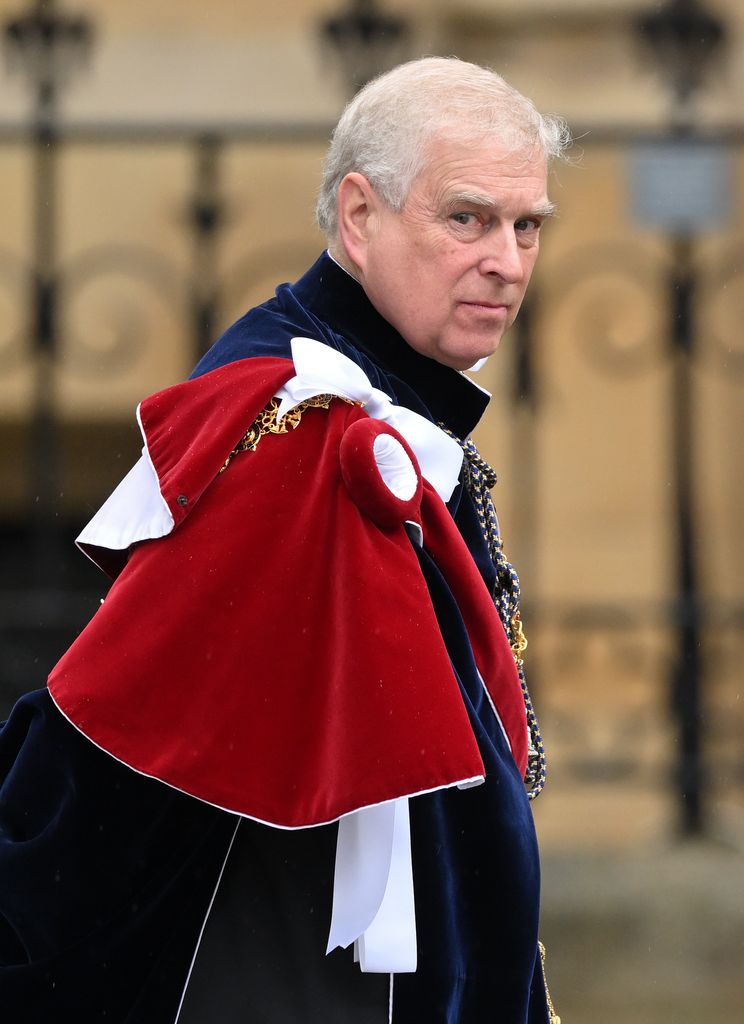
Stepping down in 2019
Andrew ended up stepping back from public duties in 2019 after addressing his friendship with Epstein and allegations made by Virginia Giuffre in an interview with Newsnight. "It has become clear to me over the last few days that the circumstances relating to my former association with Jeffrey Epstein has become a major disruption to my family's work and the valuable work going on in the many organisations and charities that I am proud to support," Andrew said in his statement at the time.
"Therefore, I have asked Her Majesty if I may step back from public duties for the foreseeable future, and she has given her permission," he added. "I continue to unequivocally regret my ill-judged association with Jeffrey Epstein. His suicide has left many unanswered questions, particularly for his victims, and I deeply sympathise with everyone who has been affected and wants some form of closure. I can only hope that, in time, they will be able to rebuild their lives. Of course, I am willing to help any appropriate law enforcement agency with their investigations, if required."
Virginia, who died in April of 2025, had accused the father-of-two of having sex with her three times. Before the release of her memoir, Nobody's Girl: A Memoir of Surviving Abuse and Fighting for Justice, in October 2025, Andrew announced that he would no longer use his title or honours.
After the book's release, King Charles stripped his brother Andrew of his style, titles and honours. A formal notice to surrender the lease to his longtime home, Royal Lodge, was also served. Andrew left the residence in Windsor earlier this month ahead of his expected move to Marsh Farm, which has been undergoing renovations. He has been staying at his temporary accommodation, Wood Farm, where he was arrested on February 19.
 © Chris Jackson/Getty Images
Possible outcomes for Andrew
Discussing the royal's arrest with Best Quality Designer Handbag , managing partner and founder of Judge Law, Simarjot Singh Judge said: "Although there is no fixed statutory sentencing range, the offence is technically punishable by up to life imprisonment, though sentences at that level are exceptionally rare in practice."
"In reality, any sentence would depend entirely on the facts of the case – including the seriousness of the alleged conduct, whether sensitive or classified material was involved, the level of intent, and the degree of harm caused," he continued. "Courts will examine whether there was a deliberate breach of official duty and whether the conduct amounted to a serious abuse of position."


