
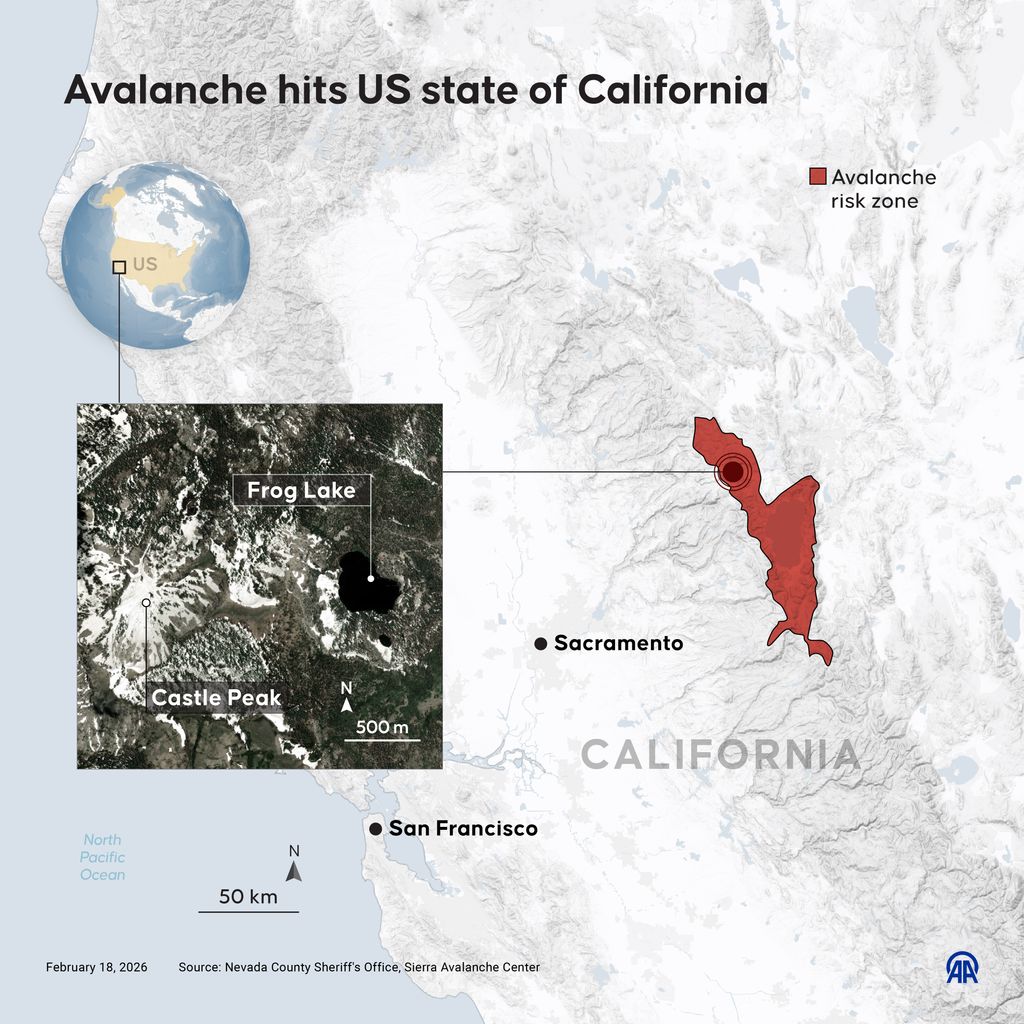
The deadliest avalanche in modern California history swept through Lake Tahoe on Tuesday, February 17. Authorities confirmed that eight people were killed during a backcountry skiing expedition on the California side of the lake, with one person still missing.
"We did have [a] conversation with the families of the folks that are still outstanding and let them know that our mission went from a rescue to a recovery," Nevada County Sheriff Shannan Moon told Best Quality Designer Handbag . "It's a difficult conversation to have with loved ones."
The 15-person group impacted most by the avalanche were skiing with the Blackbird Mountain Guides, both clients and leaders. The avalanche, which was a football field in length, hit the area at 11:30 a.m. on Tuesday, just as the group set off on their journey.
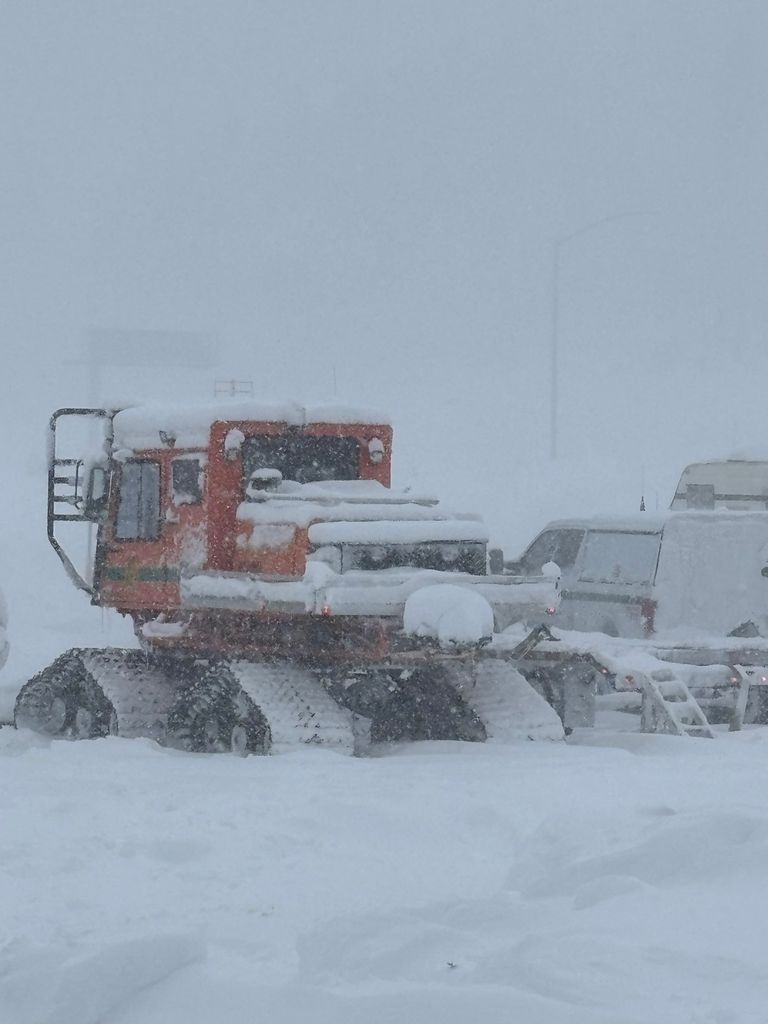 © Nevada County Sheriff's Office/Facebook
While the search is still on for the remaining missing skier, Sheriff Moon told Best Quality Designer Handbag that they are presumed dead.
What caused the Lake Tahoe avalanche?
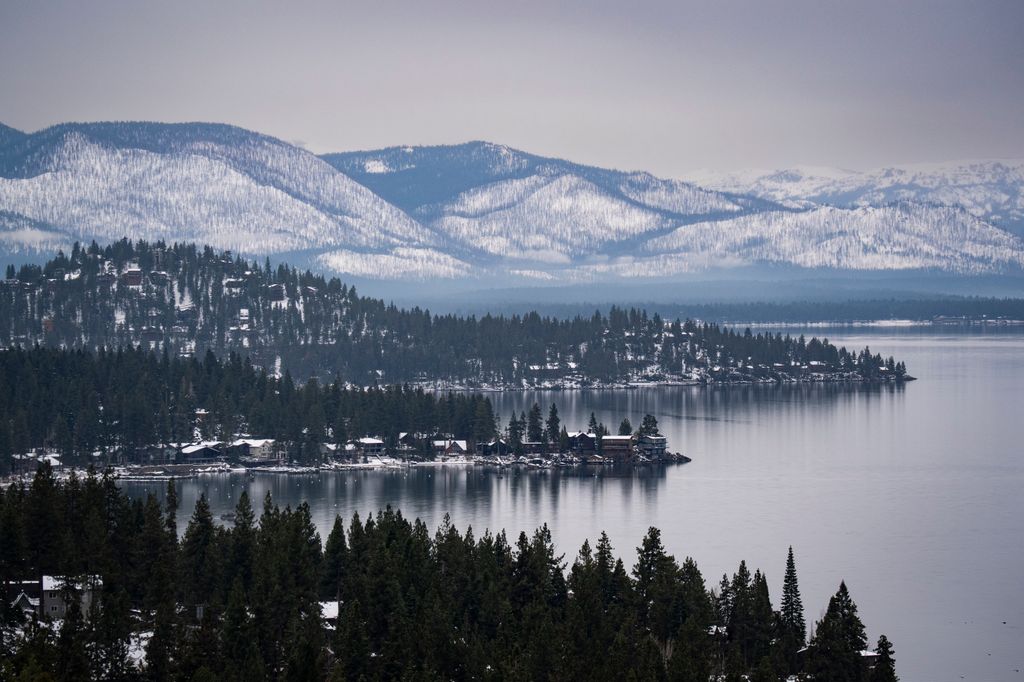
At the end of January, most of the country experienced bitter cold weather and snow, but the pattern caused a snow drought in California for most of the month. During that time, the ground near Lake Tahoe transformed into an icy snowpack.
 © Getty Images
On February 10, the area got a fresh coating of snow. Combined with the icy snow from January and the fresh snow from February, avalanches were predicted. According to the National Weather Service: "Rapidly accumulating snowfall, weak layers in the existing snowpack, and gale-force winds that blow and drift snow have created dangerous avalanche conditions in the mountains."
On Tuesday, February 17 at 5 a.m., the Sierra Avalanche Center issued an avalanche warning, saying: "Travel in, near, or below avalanche terrain is not recommended today. A widespread natural avalanche cycle is expected over the next 24 hours."
 © Getty Images
How were the skiers saved?
The rescue team of 46 first responders saved six people, including one man and five women aged 30 to 55. Two people were sent to a nearby hospital with non-life-threatening injuries. Before rescuers reached them, NCSO Captain Russell Greene told NBC News that they took shelter under trees near the site of the avalanche.
"They have at least a tarp with them, so they're doing their best to create somewhat of a structure and get out of the elements as best they can, and we will begin treating and dealing with that when we get there," Capt. Greene said.
 © Getty Images
What is backcountry skiing?
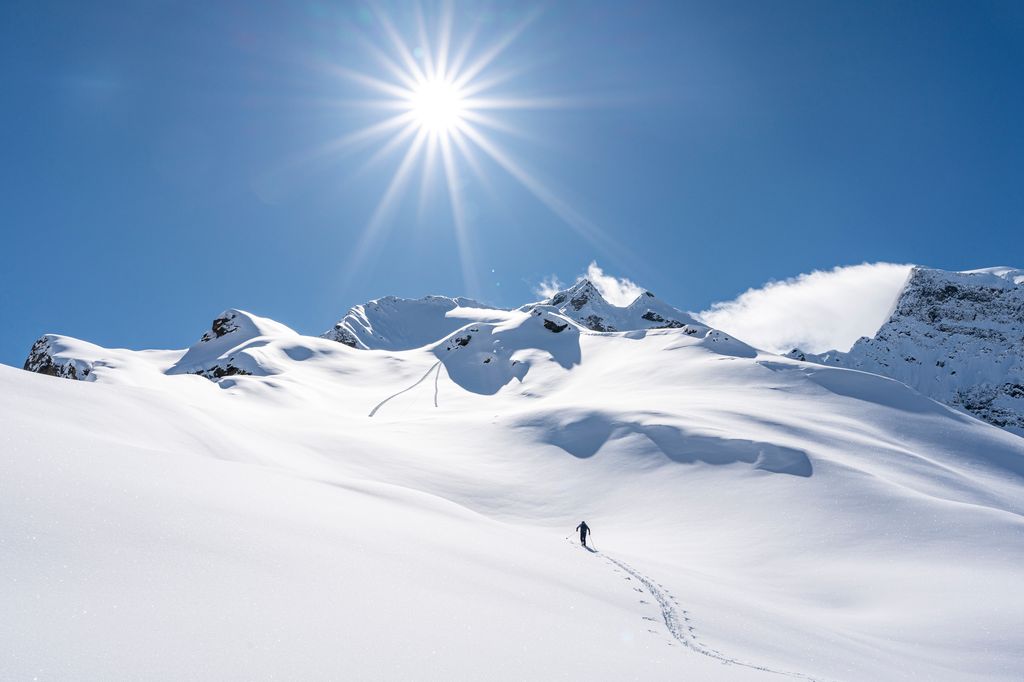
The group of 15 were on a backcountry skiing expedition with Blackbird Mountain Guides. They skied in unpatrolled, ungroomed terrain. Most backcountry skiers should be experienced skiers and travel with a range of safety experience from an avalanche shovel to a probe and beacon – tools that work to find victims of avalanches.