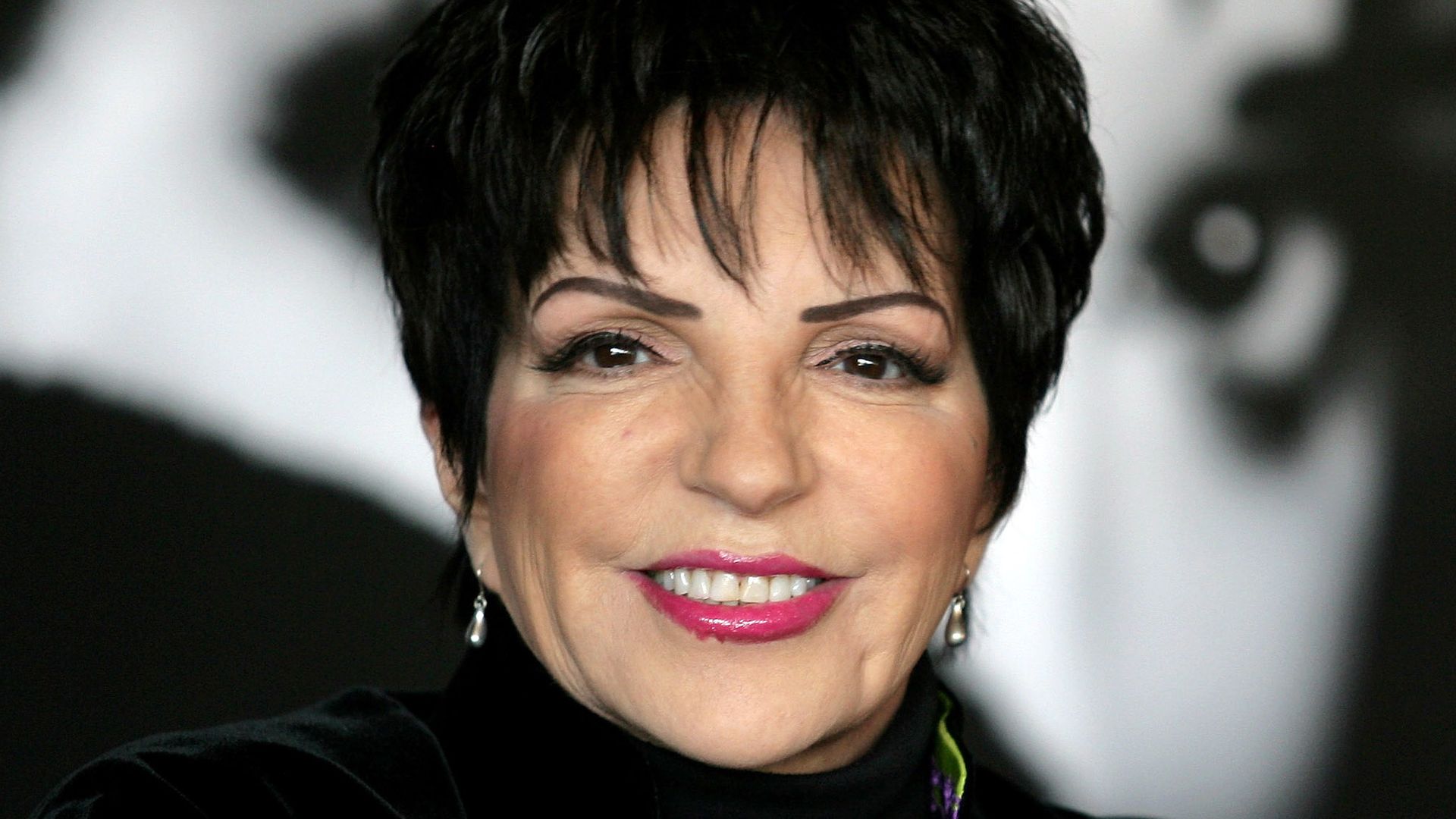

Liza Minnelli has opened up about a lesser-known side of her late mother, Judy Garland – revealing that behind the public image of a tragic Hollywood legend was a woman with a sharp and often overlooked sense of humour.
The 80-year-old icon shared personal memories during a recent Liza Minnelli in Conversation event at the historic Million Dollar Theater in downtown Los Angeles on Tuesday March 17, 2026.
 © Getty Images
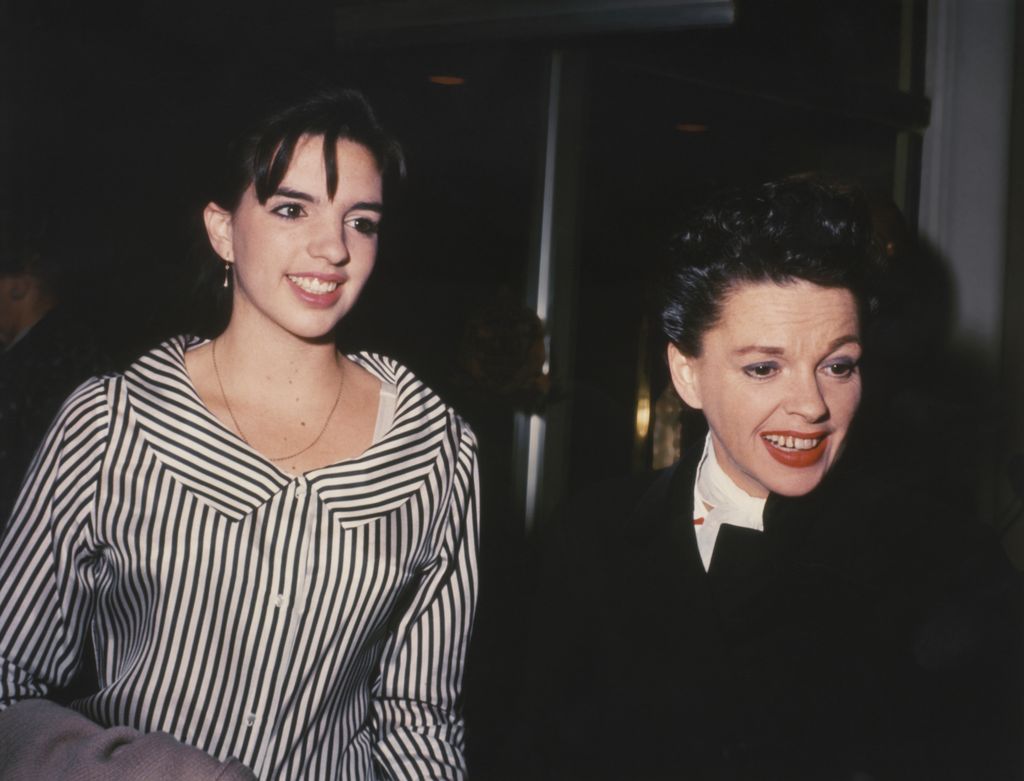
Reflecting on her childhood and the realities of growing up in one of show business's most famous families, she spoke candidly about the private moments that shaped her understanding of her mother.
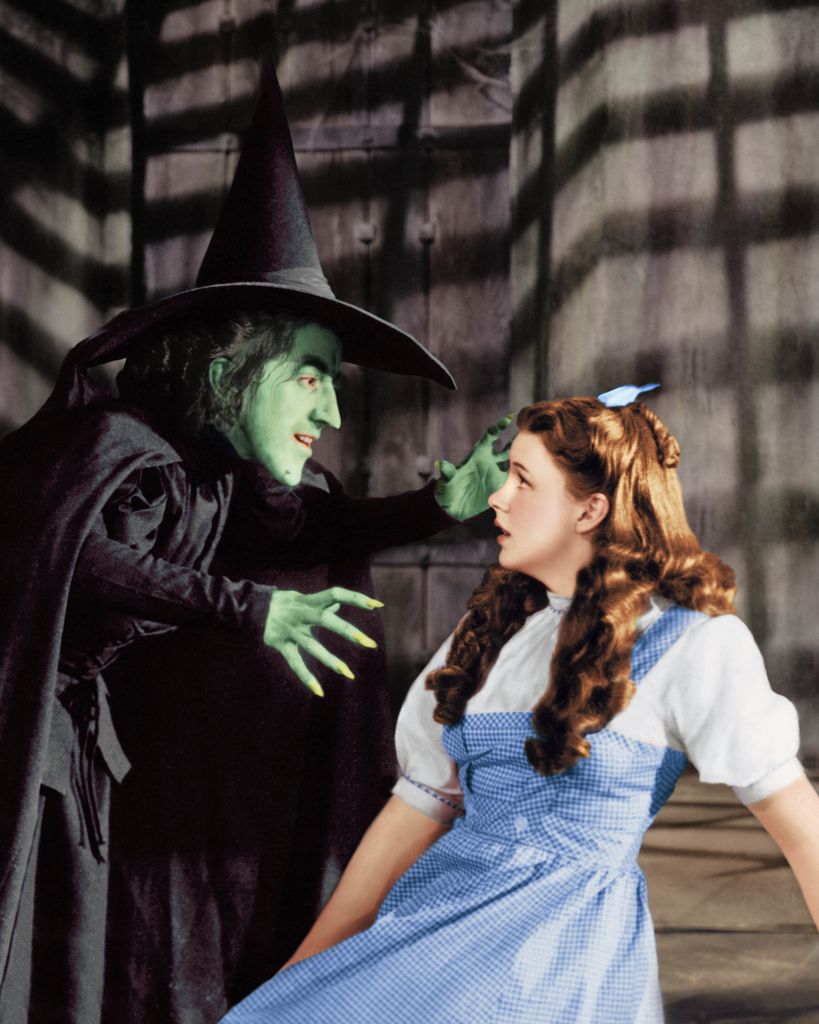
While Judy is widely remembered as the powerhouse voice behind The Wizard of Oz and a defining figure of Hollywood’s Golden Age, Liza said audiences rarely appreciate how comedic she could be.
 © Getty Images
"She was funny," she emphasised, recalling how humour often became a coping mechanism amid the pressures of Garland’s demanding career and personal struggles.
Liza has previously discussed her mother’s comedic instincts in an interview with People, describing the lasting impact of Judy’s turbulent experiences within the studio system. Signed to MGM as a child, Judy endured intense scrutiny and expectations that would follow her throughout her life.
 © Bettmann Archive
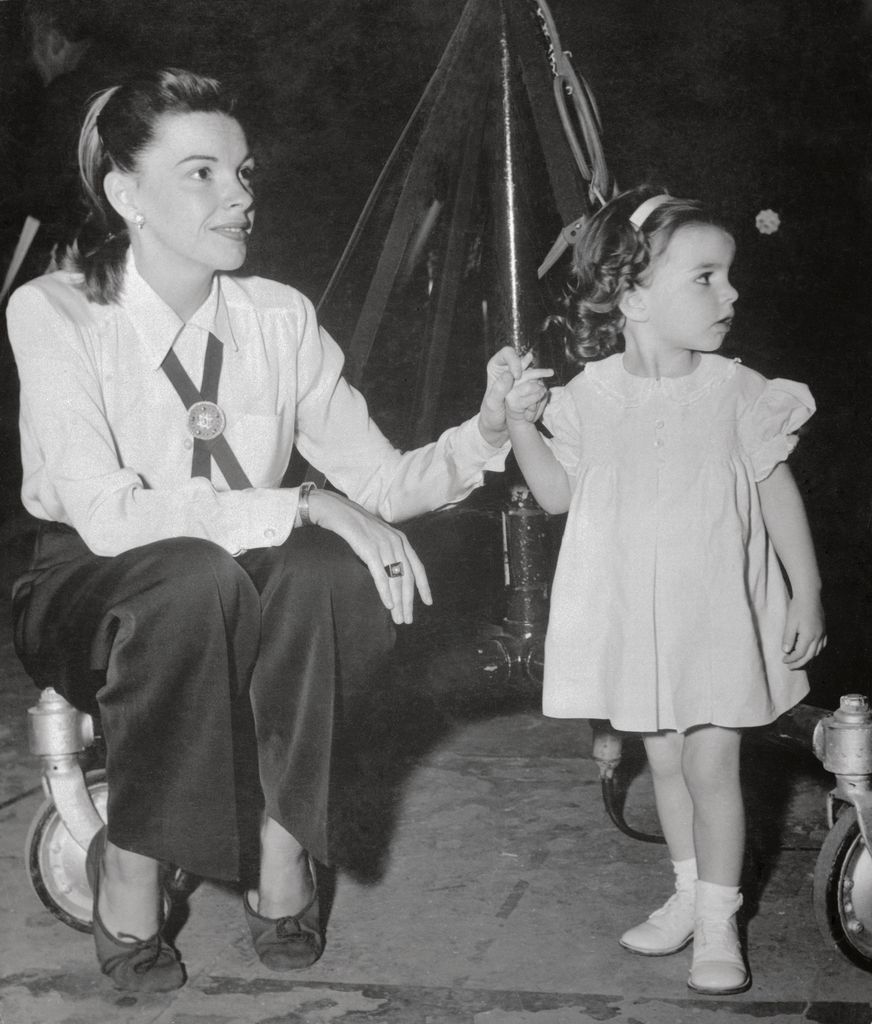
"Mama had been pushed around so much. You try growing up at MGM," Liza reflected, describing her mother’s early years in Hollywood as deeply challenging.
Judy's well-documented battles with addiction and mental health meant that Liza often found herself stepping into an adult role while still a teenager. In her newly released memoir, Kids, Wait Till You Hear This!, she writes that she became her mother’s emotional caretaker at just 13.
"I was my mother’s caretaker – a nurse, doctor, pharmacologist and psychiatrist rolled into one," she recalled, describing the responsibility she felt to protect Judy during difficult periods.
 © Bettmann via Getty Images
Despite the emotional weight of those years, Liza believes the experience ultimately shaped her outlook on life. She credits her upbringing with teaching her empathy, patience and the importance of truly listening to others.
"It gave me more patience," she explained. "Listening, as opposed to pretending you’re listening – really listening for what somebody's trying to get across."
 © Getty Images
Their relationship, she admits, was both deeply loving and complicated. As Liza's own career began to flourish, she sensed a shift in how Judy viewed her, at times perceiving her daughter’s rising success as competition.
"She was my mother. And then all of a sudden she turned into Judy Garland," Liza said, reflecting on the challenges of navigating both familial and professional dynamics.
Liza's memoir offers a nuanced portrait of her mother, revealing the reality of their relationship while reflecting on Judy's incredible resilience and wit, too.