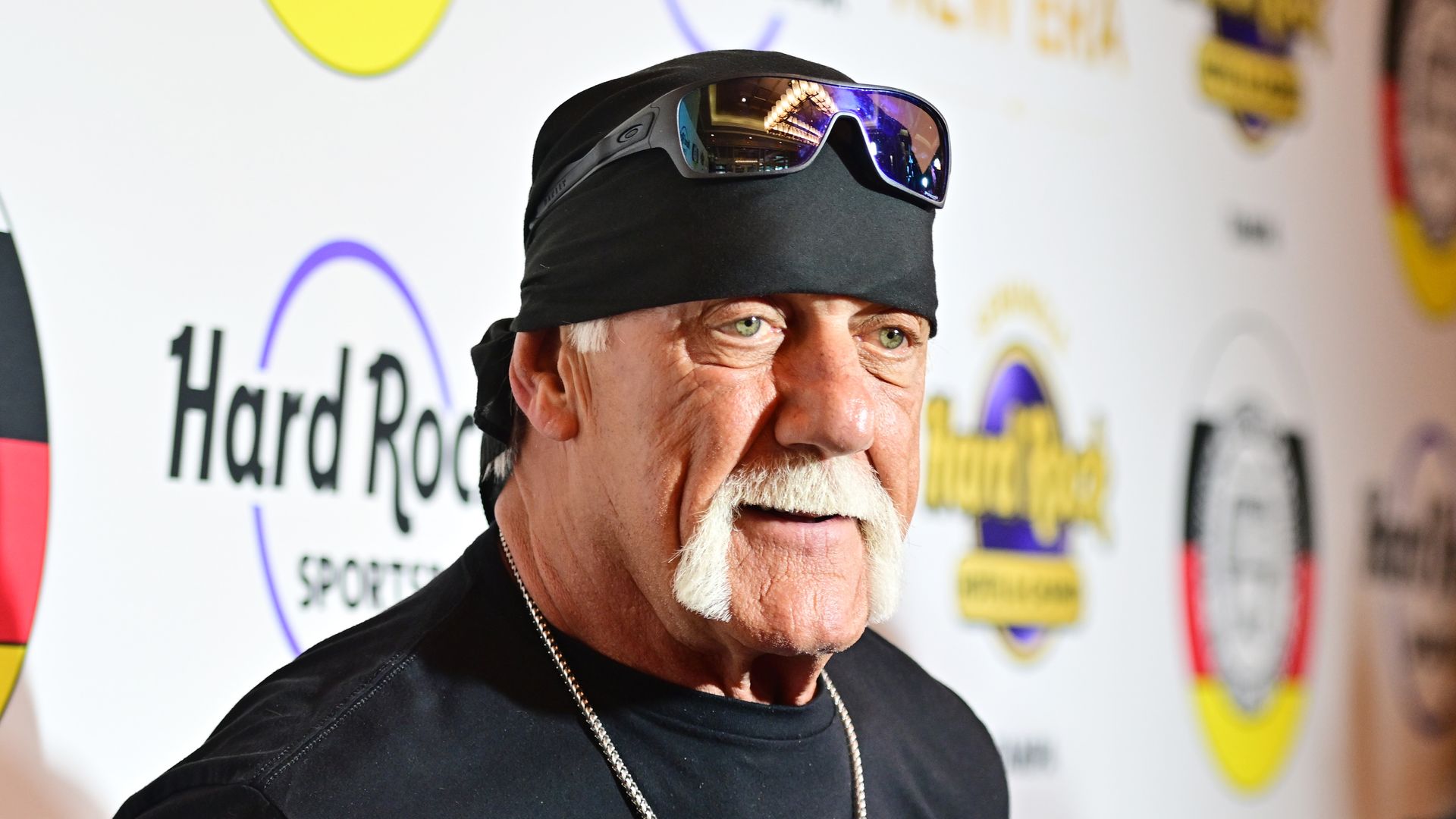

Nearly a year after the death of wrestling icon Hulk Hogan, authorities in Florida have officially confirmed the legendary performer's cause of death.
The WWE Hall of Famer, whose real name was Terry Gene Bollea, died on July 24, 2025, at the age of 71 after suffering a medical emergency at his Clearwater, Florida home.
On Friday June 5, 2026 Clearwater Police announced they had closed their investigation into Hulk's death after an extensive review of evidence, witness statements and medical records. Investigators concluded that the wrestling star died of natural causes and that there was no evidence of foul play or criminal wrongdoing.
 © Getty Images
According to a 72-page investigative report, authorities determined Hulk's death was "an attended natural death" following a comprehensive examination of the circumstances surrounding his passing.
"Following an exhaustive review of the statements, medical records, surveillance footage from within the residence, and a visual inspection of Mr. Bollea's body, there has been no evidence to indicate the death of Terry Bollea was anything other than natural," investigators wrote.
The report added: "Through the course of the investigation, there has been no evidence to indicate any criminal wrongdoing related to his death."
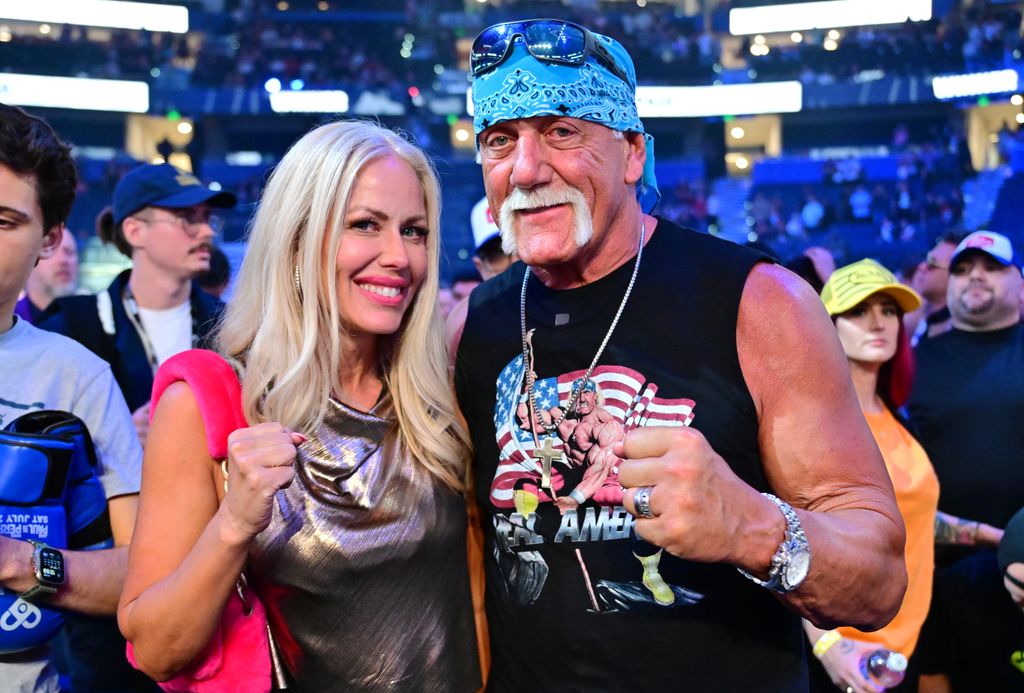 © Getty Images
Hulk initially suffered cardiac arrest at his Clearwater residence before being transported to a nearby hospital, where he was later pronounced dead.
The investigation examined a number of claims raised in the aftermath of his passing, including concerns initially expressed by Hogan's occupational therapist, Justin McCamey.
 © Getty Images
According to reports, Justin told responding officers that he believed Hulk may have been the victim of medical malpractice after allegedly hearing that a surgeon had damaged the wrestler's phrenic nerve during a previous procedure.
The phrenic nerve plays a critical role in breathing by controlling the diaphragm, and damage to the nerve can lead to serious respiratory complications.
However, during a follow-up interview with investigators, Justin reportedly clarified that he was not a medical specialist and was merely speculating based on information he had heard. He also revealed that he had only worked with Hulk for two weeks and had visited him on just two occasions before his death.
 © WireImage
The concerns nevertheless prompted investigators to thoroughly review medical records and witness accounts as part of the wider inquiry.
In October, Hulk's family also filed a petition seeking an extension to the statute of limitations for a potential medical malpractice investigation, further fuelling public interest in the circumstances surrounding the wrestling legend's death.
Ultimately, police found no evidence supporting claims of criminal negligence or wrongdoing. Clearwater Police publicly thanked Hulk's family and legal team for their cooperation throughout the investigation.
 © Getty
"Their willingness to allow our investigators access to very personal information, at a time when they were grieving and struggling, was extremely helpful," officials said in a statement.
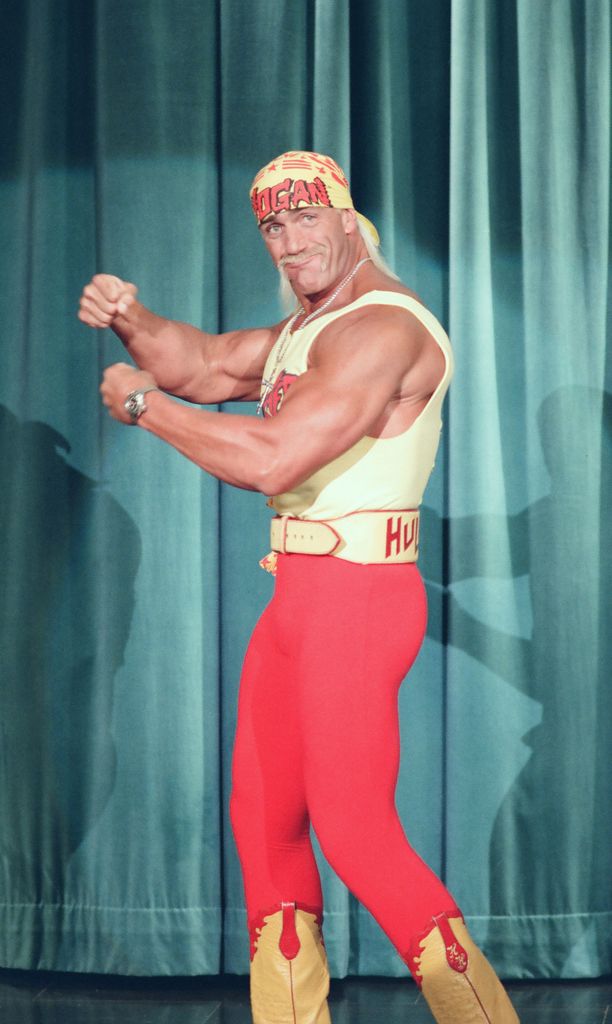
One of the most recognisable figures in sports entertainment history, Hulk helped transform professional wrestling into a global phenomenon during the 1980s and 1990s.
Known for his trademark handlebar moustache, bandanas and larger-than-life persona, he became one of the most famous wrestlers of all time and remained a pop culture icon long after stepping away from the ring.


