

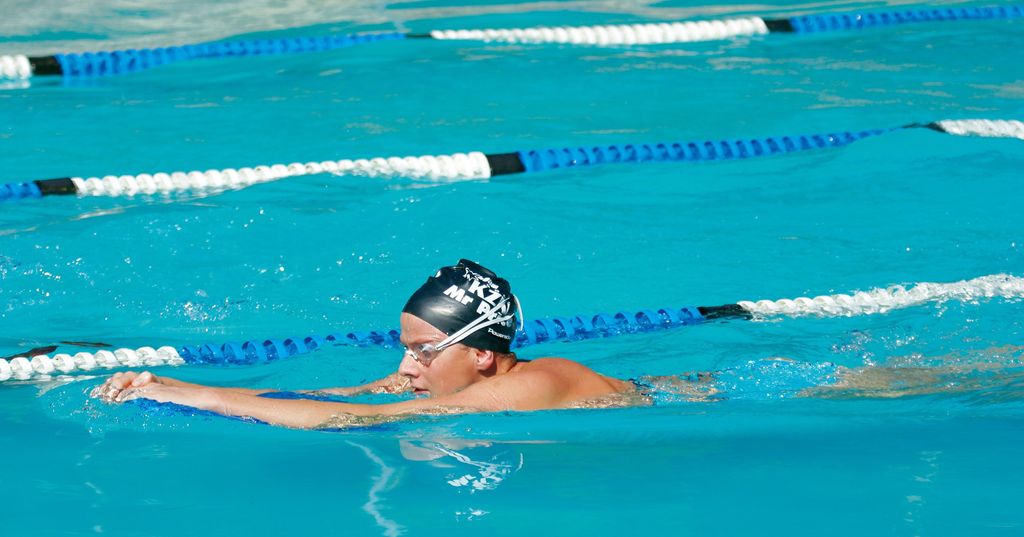
Princess Charlene of Monaco is one of the rare royal Olympians, alongside the likes of the Princess Royal and Zara Tindall, and so it is to be expected that she, too, does everything she can to maintain that Olympic physique.
While she has previously shared details of her strength workouts, her diet is just as crucial for managing her health, and she has also revealed some insights into what she eats to maintain a balanced diet.
 © Getty
During an interview with Women's Health back in 2018, the Princess of Monaco explained that consistency when it comes to her diet can be difficult, as her "days are never the same and you can't really choose what you get to eat at events".
Despite this, she added that there are two ways she ensures she keeps her diet as healthy as possible: "I try to eat a lot of fish and fresh fruit and vegetables, and I drink a lot of water – it's important to stay hydrated," she told the publication.
At the same time, Princess Charlene emphasised that taking too much of a restrictive approach when it comes to diet can be a bad thing: "Don't be too strict on yourself. A dessert once in a while is not so bad."
Though she retired from her Olympic days in 2007 due to a persistent shoulder injury that affected her training, the 48-year-old still keeps up the exercise, as she still swims regularly and tries new physical activities: "You lose strength with age and I need to be strong so I can pick up my children and do my sport," she shared.
Staying hydrated like Princess Charlene is vital
Keeping satiated with a nutrient dense diet including the likes of lean protein, fish, fruit and vegetables is vital, but sometimes it does feel as if hydration is overlooked when it comes to our health due to the breakneck pace of modern life, which the Princess of Monaco can likely relate to thanks to her packed schedule.
Grace Williams, a health and nutrition coach, spoke exclusively to HELLO! about why hydration is absolutely vital, telling us: "Hydration and a balanced, nutrient-dense diet matter because they change how you feel day to day. Most of us recognise the lived experience of being under-fuelled or under-hydrated: you’re yawning by mid-morning, your focus is fuzzy, your patience is shorter, you keep reaching for snacks, and even simple tasks take more effort than they should."
She added that: "Water helps your brain and body run smoothly by supporting circulation, digestion and nutrient delivery. Even mild dehydration (around 1-2% fluid loss) can affect mental clarity, energy and memory - which is why you often feel noticeably more focused when you simply hydrate effectively (filtered water + minerals)."
 © Getty Images
In fact, maintaining a balanced diet requires a similar level of dedication. The nutrition expert explained: "Vitamins and minerals are what your body uses to make energy, regulate stress, repair tissue and recover - and without meeting those needs daily, you function, but you won’t feel like you’re thriving. Over time, those low-level gaps can show up as the symptoms people normalise: tiredness, brain fog, cravings, poor recovery."
For the health and nutrition coach, the "return on your investment" is the best benefit, as it's both immediate and long-term. She concluded: "What you eat and drink directly impacts how you think, act, and feel in the hours that follow."
"And the thing I love most about hydration and nutrition is that your return on investment is immediate (on top of the incredible long-term benefits): what you eat and drink directly impacts how you think, act and feel in the hours that follow," she concluded.


