
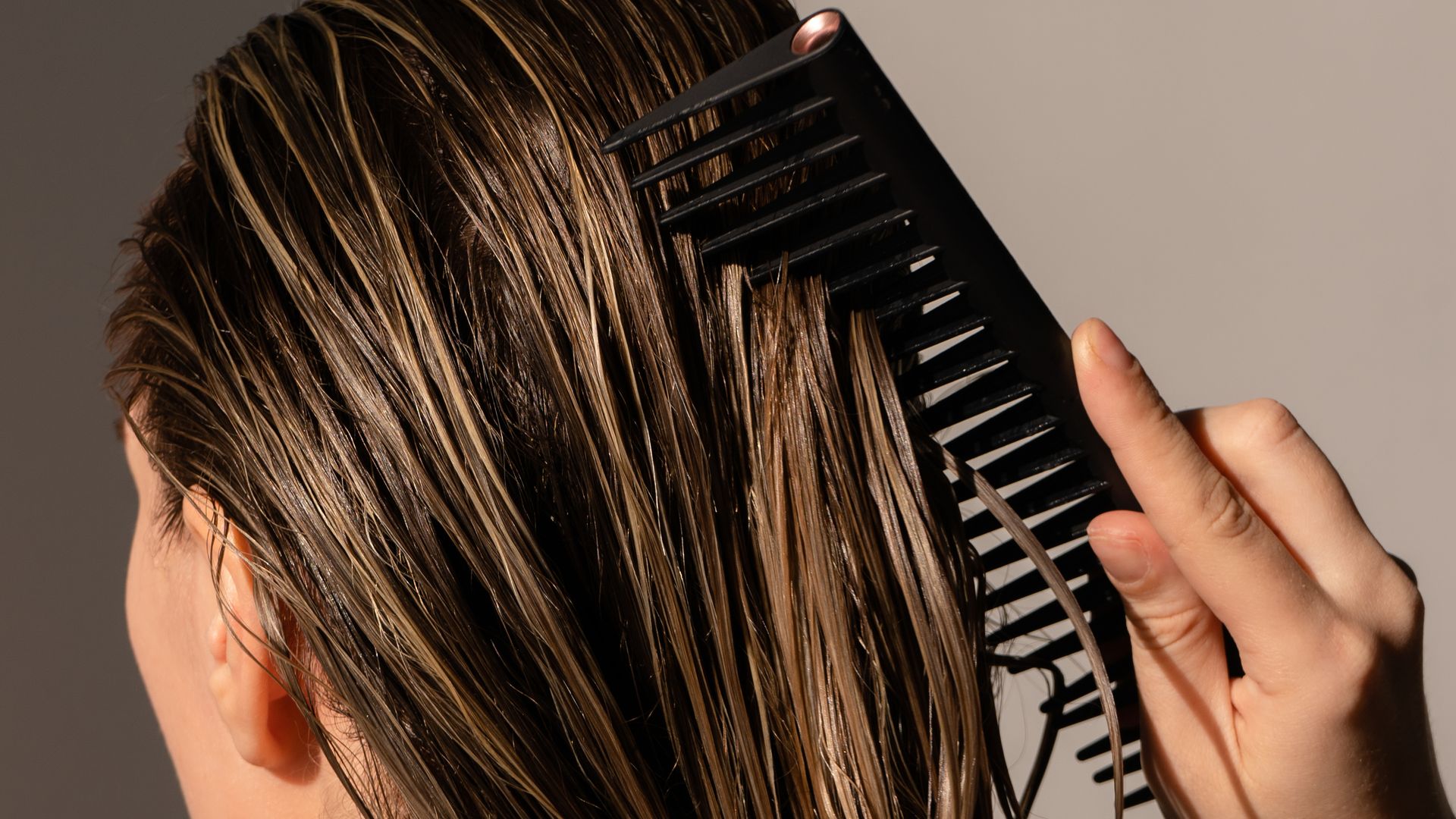
I'm usually quick to attribute every miserable sign of ageing to the perimenopause. So when I found myself sitting in the Mayfair office of Anabel Kingsley, a leading trichologist and the brand president of Philip Kingsley Clinics, bemoaning my quietly retreating hairline and shrinking ponytail, plus the alarming number of strands appearing everywhere from my hairbrush to my washing machine, I was ready to point the finger squarely at my hormones.
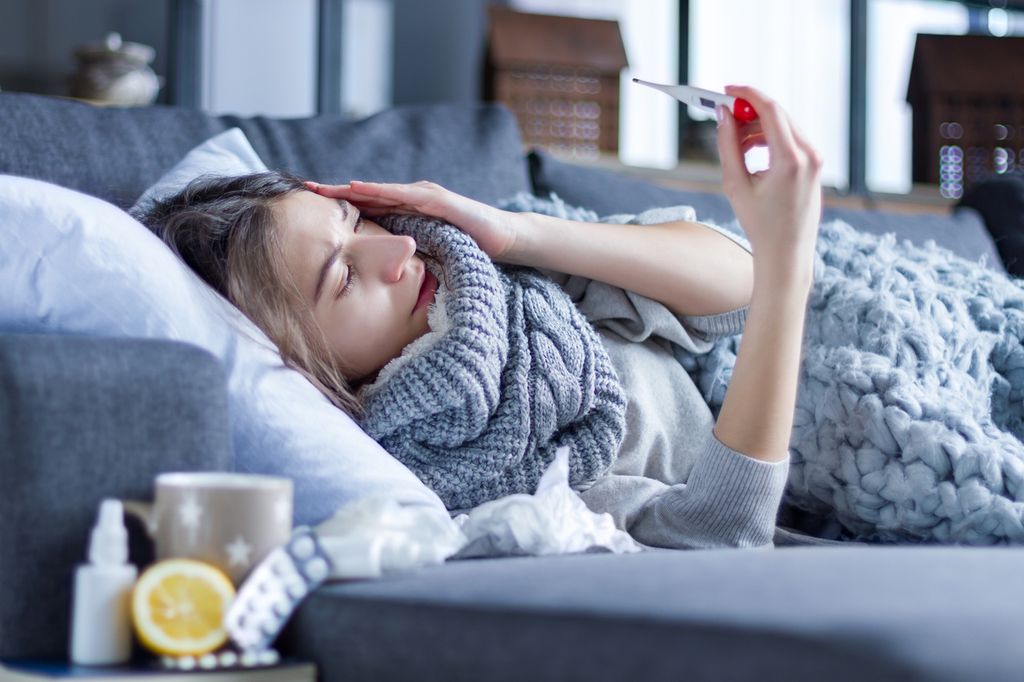
But after inspecting my scalp in HD, Anabel asked a surprising question: “Were you ill about three or four months ago?” I didn’t even have to think. Despite my (definitely perimenopausal) memory lapses, the bout of flu I had in November is etched into my nervous system. It was the kind that leaves you bedridden, followed by a hacking cough that lasted for nearly two months.
“That’s what this hair loss is,” she confirmed. Hair loss following flu? Even as a (well-seasoned) beauty editor, this was news to me.
 © Shutterstock
From flu to hair fall
“Hair loss after illnesses such as flu or Covid-19 is far more common than people realise,” says Dr Amy Vowler, an NHS GP and the medical director of Hair GP. “It’s usually caused by something called telogen effluvium, which is often triggered by high fever.”
The confusing part is the delay. Due to the nature of the hair-growth cycle, it typically takes two to three months for the shedding to begin, meaning that people rarely connect the dots between being ill and losing their hair weeks later.
 © Getty Images
“As part of the body’s response to the infection, it generates multiple inflammatory chemicals, otherwise known as cytokines, which throw the hair-follicle cycle out of sync,” says Sharon Wong, a consultant dermatologist and the president of The Institute of Trichologists. “More hairs than usual are pushed out of the growth phase and enter the resting phase early, where they eventually shed.”
The good news? It's temporary, which I’m happy to confirm has been the case with my hair. “Even if the shedding looks or feels dramatic, it will come to a halt once the hair cycle normalises,” Anabel assures me, but Sharon adds that restoring lost volume can take up to a year, depending on how quickly your hair grows.
Hair today, gone tomorrow
Around eight million women in the UK are affected by hair loss, with causes ranging from female pattern hair loss (androgenetic alopecia) to hair ageing (hair longevity is making headlines in the beauty industry at the moment). And, yes, hormones can play a role. A recent survey by Louise Newson, aka the Menopause Doctor, found that half of women noticed thinning hair during perimenopause and menopause, with 39% experiencing hair loss.
So how can you tell if yours is illness-related? “With telogen effluvium, you’ll see a noticeable increase in daily shedding, and this is often a sudden bout of hair loss,” Anabel says.
Sharon adds that it looks different from other common types of hair loss, such as female pattern hair loss (a widening of the parting) or alopecia areata (circular patches). You may notice more hair in the shower or on your brush – or, like me, a ponytail that suddenly feels suspiciously skinnier.
If shedding lasts for longer than six months or is accompanied by symptoms such as weight loss, changes in your periods, fatigue or patches of hair loss, it’s time to seek professional advice.
Root revival
You can’t stop hairs that have already entered the resting phase from falling out, but you can support healthy regrowth and protect the hairs that remain. All of our experts agree on the basics: a nutrient-dense diet that’s rich in protein (fuel for hair), plus key micronutrients such as vitamins B12 and D, zinc and folate. Targeted supplements and scalp treatments can also help to promote scalp health and keep follicles in the growth phase. And, of course, don’t skip your flu jab – lesson learned.
 © Shutterstock / Krievietka
“Flu-related telogen effluvium usually resolves on its own,” Sharon says. “But if shedding persists, treatments such as a topical minoxidil, platelet-rich plasma [PRP] or Tricopat can help to speed up recovery.”
The main point, adds Amy, is to take reassurance from the fact that, although it can be distressing, hair loss after illness is temporary and treatable.
Hair revival toolkit
There are a few products you can turn to to support hair that's suffered after illness. For a budget-friendly option, try Pantene's Abundant and Strong Anti-Hair Loss Shampoo, £7, which promises to strengthen hair at the root and reduce breakage to minimise hair loss. On the other end of the scale, price-wise, is Obagi Medical's Nu-Cil Biostim Scalp Serum, £114.50, which hydrates, soothes, repairs, and balances the scalp to create the perfect growing condition for healthy, resilient hair.
For a high-tech approach, try Current Body's LED Hair Growth Helmet, £649.99, which stimulates the hair follicle for visibly thicker hair. A friend used it post-chemotherapy and says it made a huge difference to the regrowth of her hair after treatment.
If it's your hairline that's troubling you, try Scandinavian Labs' Bio-Pilixin Hairline Booster, £30, which is applied via a precision rollerball applicator to target problem areas. Dyson's refillable Amino Leave-in Treatment, £46, which is clinically proven to reduce hair loss by 63 per cent, as well as reducing oil on the scalp and minimising flakes.
Finally, Vichy has branched into hair and scalp care with the Dercos Anti-Hair Loss Aminixel Clinical Regen Serum, £47, for a comfortable scalp that keeps hair looking and feeling full.


