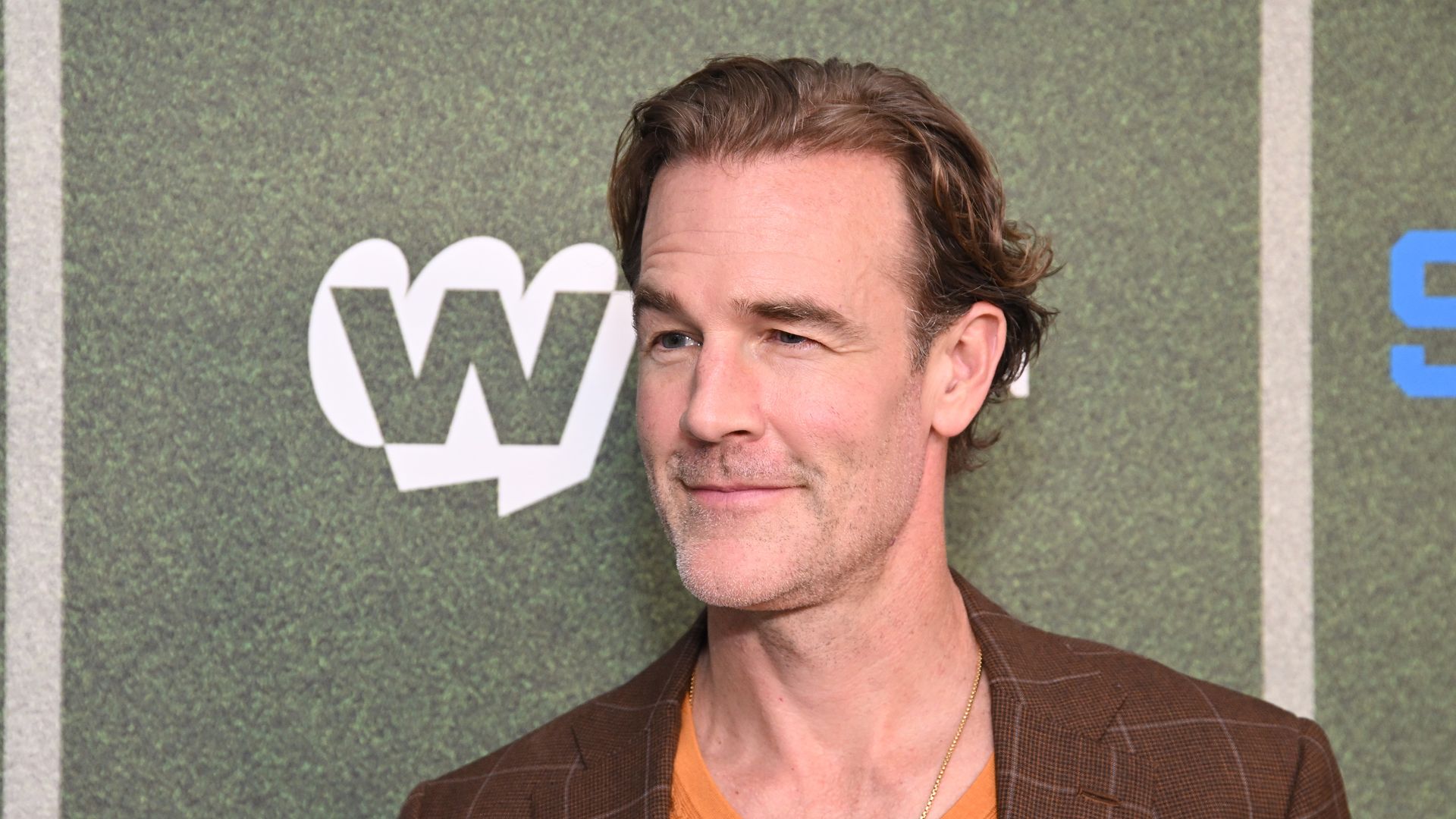

Hollywood continues to mourn the untimely passing of James Van Der Beek. The actor died at the age of 48 after being diagnosed with colorectal cancer.
In late November of 2024, the Dawson's Creek star went public with his diagnosis, revealing that he was at stage three at the time of sharing the news. His wife Kimberly announced the news with a statement also on behalf of their six kids.
 © Getty Images
Given his age, if you're also concerned about colorectal cancer, and how to detect it for yourself, we spoke with Dr. Peter Stanich, MD, gastroenterologist with The Ohio State University Comprehensive Cancer Center – Arthur G. James Cancer Hospital and Richard J. Solove Research Institute and Wexner Medical Center. Here's what you need to know…
The rise of colorectal cancer in the young
"We know colorectal cancer has been increasing in young people and it is not exactly clear why," Dr. Stanich told HELLO!. "Part of this is likely due to increasing obesity and changes in diets over time, but many people are still investigating the cause of this."
 © Getty Images
"It is still much less common than it is in older adults, but it is a worrisome trend. This is the reason the screening age was reduced to age 45 (from 50) in 2018."
He continues: "For average risk people (meaning no personal history of colon cancer or polyps and no family history of colorectal cancer in close relatives), colon cancer screening should start at age 45. Colonoscopy is most commonly performed for screening in the United States, but other options such as stool testing are available and beneficial."
 © Getty Images
"For those with family history of colorectal cancer or advanced colon polyps in parents, siblings or children we recommend starting at age 40 or possibly younger based on the age of the relative," he explained.
The warning signs
Dr. Stanich detailed that many colorectal cancers don't actually cause symptoms, hence why screenings are so often recommended. "If you are experiencing blood in the bowel movements or iron deficiency anemia (low blood counts due to low iron levels), these are concerning at any age and you need to discuss with your healthcare team and have a colonoscopy to be evaluated for colorectal cancer as well as other potential non-cancerous causes."
 © NBC
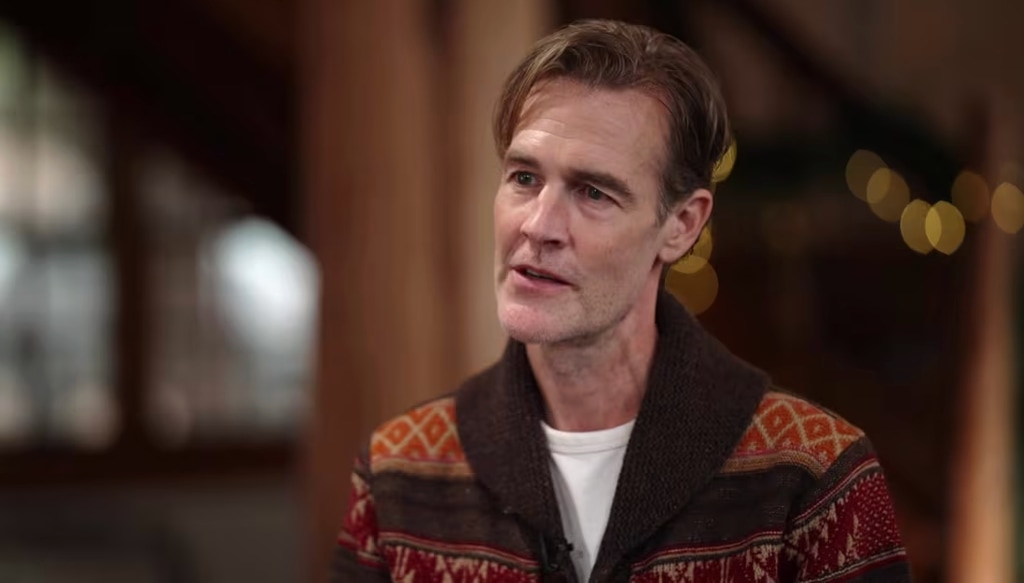
© NBC"Changes in your bowel movements or abdominal pain have a wide variety of causes, but also should be discussed with your team and a colonoscopy may be recommended. We want to make sure that these signs are taken seriously no matter a person's age."
Ways to reduce the risk
A healthy diet mixed in with regular exercise is always helpful, especially "a fish and vegetable-based diet with limited red meats or processed meats is the healthiest." He added, though: "Even if you eat very healthy and are very fit it is important to have colorectal cancer screening done as these can occur even with the healthiest lifestyle."


