
How many of us hear a new buzzword in the skincare world and immediately feel out of the loop? I will happily raise my hand. The products and tweakments promoted by influencers, celebrities and brands change so regularly that it's hard to keep up with the latest advice, but celebrities such as Jennifer Aniston always seem to be ahead of the curve.
That's where dermatologist Dr Ellie Rashid comes in. Best Quality Designer Handbag enlisted her help for our first-ever Second Act live lunchtime Q&A on 5 March, and the conversation quickly turned to celebrity anti-ageing hacks, such as "peptide plumping".
The Friends actress' confession that she swears by peptide injections, which can help improve the appearance of fine lines and wrinkles, left many wondering whether the buzzy ingredient – applied topically or injected – is actually worth the hype. Let's find out…
What is peptide plumping?
In order to understand what peptides do, we first need to clarify exactly what they are. The consultant at Guy's and St Thomas' NHS Foundation Trust, who has specialised in dermatology since 2018, described them as "small chains of amino acids, which are the building blocks of proteins.
"In the body, they act as signalling molecules, helping cells communicate and regulating processes such as inflammation, tissue repair and collagen production." Dr Ellie added: "That’s how the marketing of peptide plumping came about."
 © Getty Images
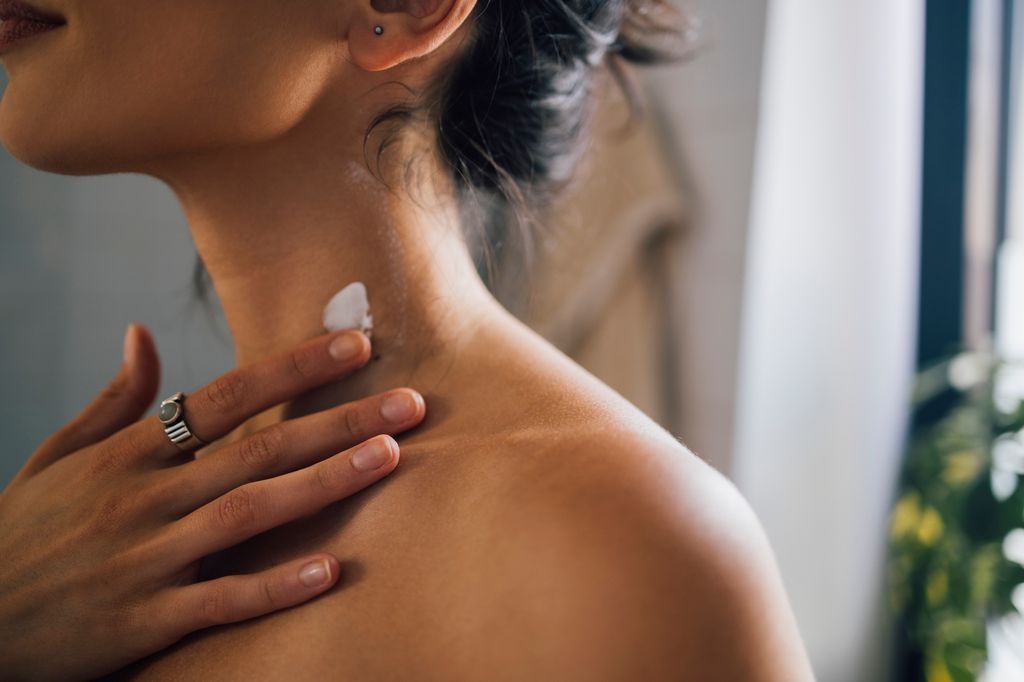
From a skincare perspective, they can act as "lovely moisturisers", with the dermatologist citing Paula's Choice peptide gel and Medik8 liquid peptides and peptide cream among her favourites.
Jennifer's anti-ageing secret
 © Instagram
The Morning Show star has been open about wanting to look and feel her best, from trying a polynucleotide facial (famously derived from salmon sperm) to weekly peptide injections. "I do think that’s the future," she said of the latter to The Wall Street Journal.
This comes after she spoke out about her thoughts on ageing in a 2022 interview with Glamour. "Two things are inevitable. The first, is ageing. The second, there’s always going to be critics. For me, it’s more of the question of how do I take the best care of myself, physically and mentally?" she said.
 © Amy Sussman
Peptide injections encourage the body’s own regenerative processes, such as collagen production, which is why they are an attractive option for those who start to lose their natural collagen from their 30s onwards.
However, Dr Ellie warned they can be "confusing" for those new to the skincare industry.
"One of the things that can make peptide injections confusing is that they are not a single treatment. The term actually covers a broad category of different compounds, and many peptide therapies are prepared by specialist pharmacies rather than large pharmaceutical companies.
"From a dermatology perspective, the science behind peptides is interesting and it is an area of research that is evolving quickly."
The verdict
 © Getty Images
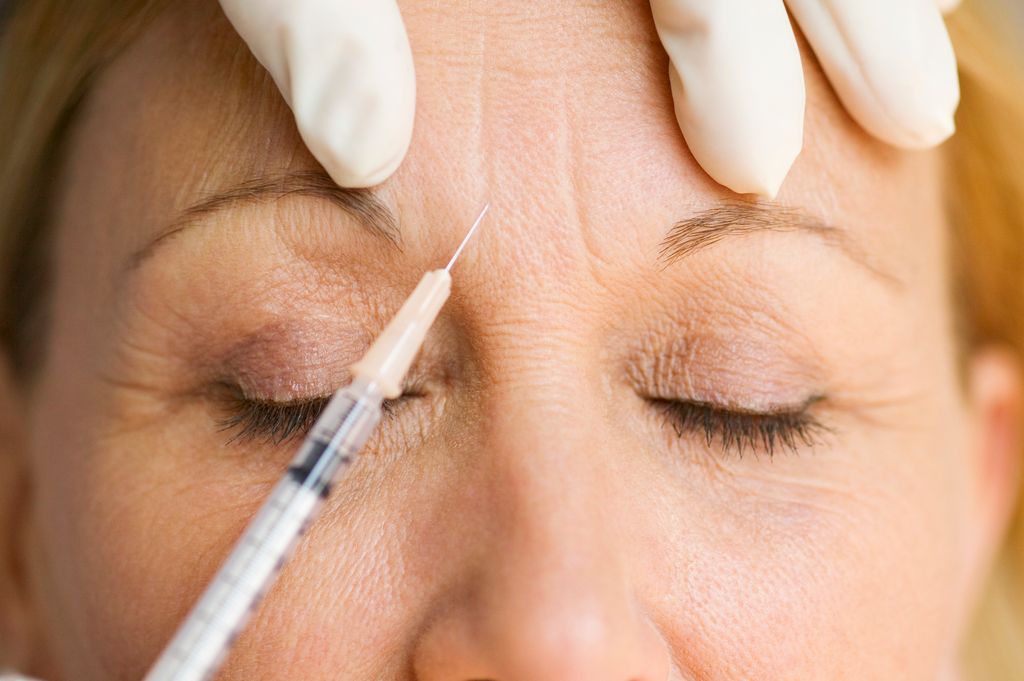
If you're seeking a luminous, youthful complexion, peptides certainly can't hurt to try, but they could set you back around £49 for plumping moisturisers or around £150 per treatment.
Overall, the dermatologist maintained that they are not the holy grail of skincare. "When it comes to maintaining healthy, resilient skin, the treatments with the strongest evidence are still consistent sun protection, topical retinoids and carefully chosen in-clinic procedures such as lasers and other energy-based treatments," Dr Ellie concluded.