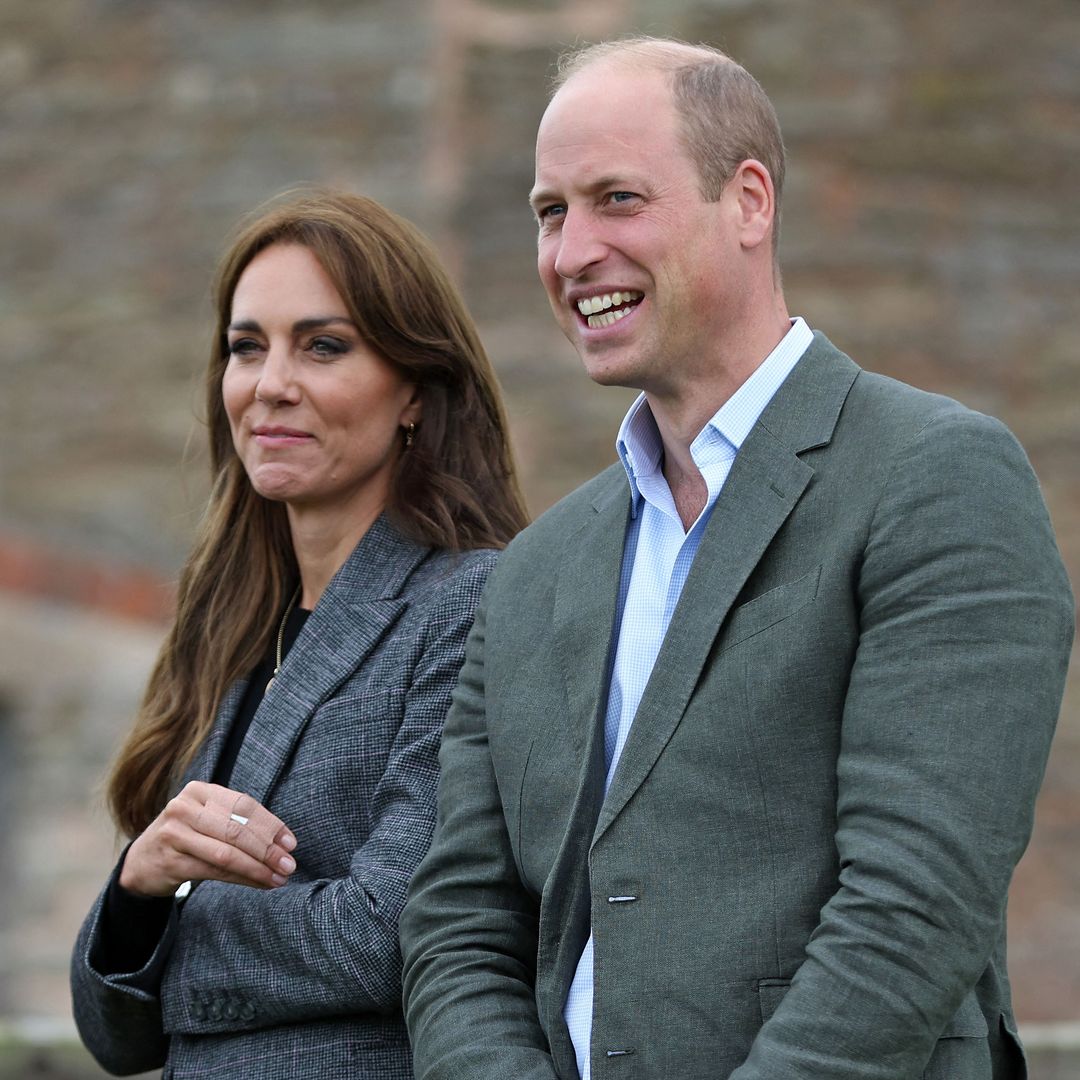
As well as his day-to-day engagements as a senior member of the royal family, Prince William also heads up the Duchy of Cornwall due to his title as the Duke of Cornwall. It’s a portfolio of land and property he inherited from his father, King Charles, and since taking the reins, William has ploughed on with an ambitious plan. The Duchy has a green mission to reach net zero by 2032, and to achieve that, landmark decisions have to be made.
This month, the Duchy team, spearheaded by William, has decided to lease out a large farm as part of a new regenerative farming project. A piece of land called Monkhall Farm will be let under their new Regenerative Farm Business Tenancy (rFBT).
 © Getty Images
The advert for applications reads: “The 950-acre holding is being offered on a rare 25-year tenancy, giving long-term certainty to invest in soil health, biodiversity and resilience.” It continues: “With a goal of reaching net zero across its communities by the end of 2032, the Duchy sees regenerative farming as a foundation of the future of British agriculture, supporting resilient and profitable businesses while improving soil health and biodiversity.”
 © Alamy Stock Photo
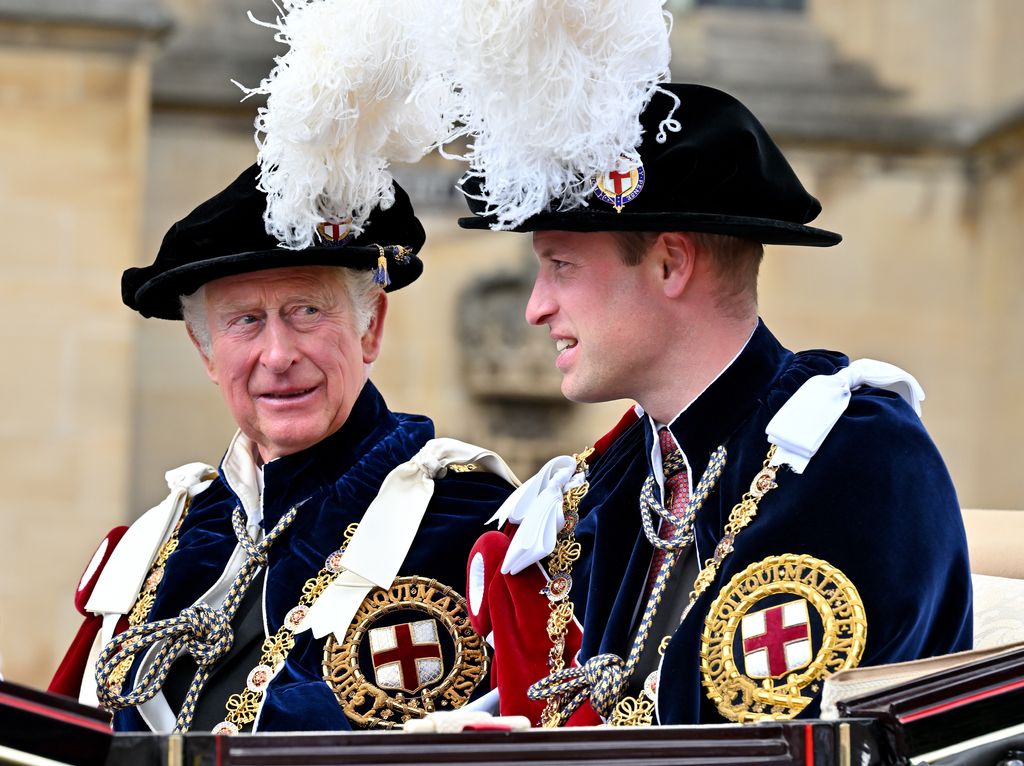
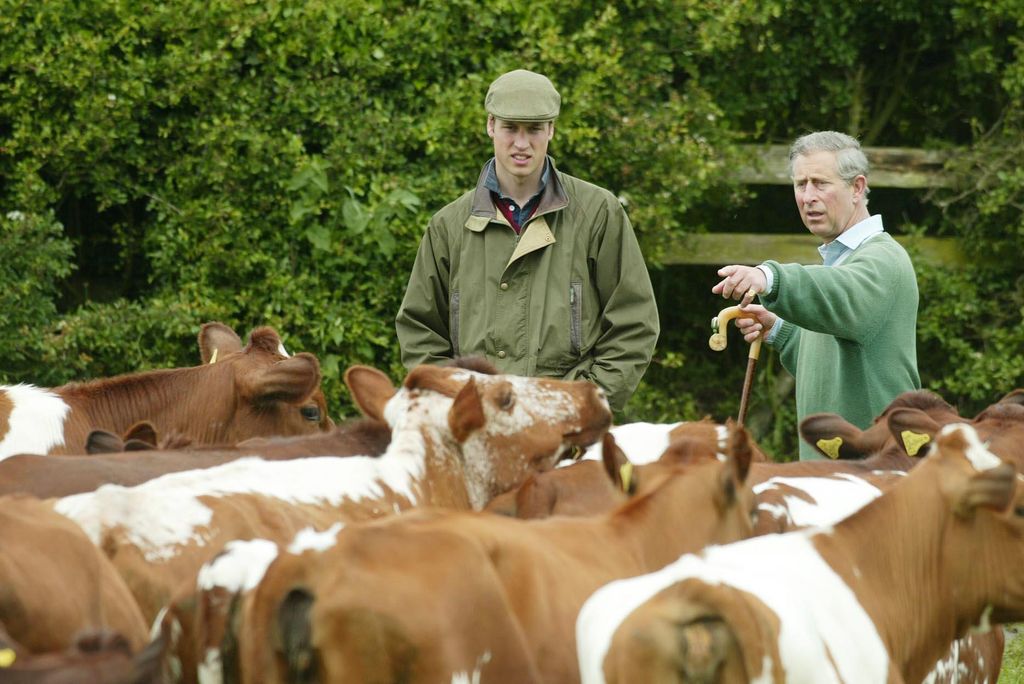
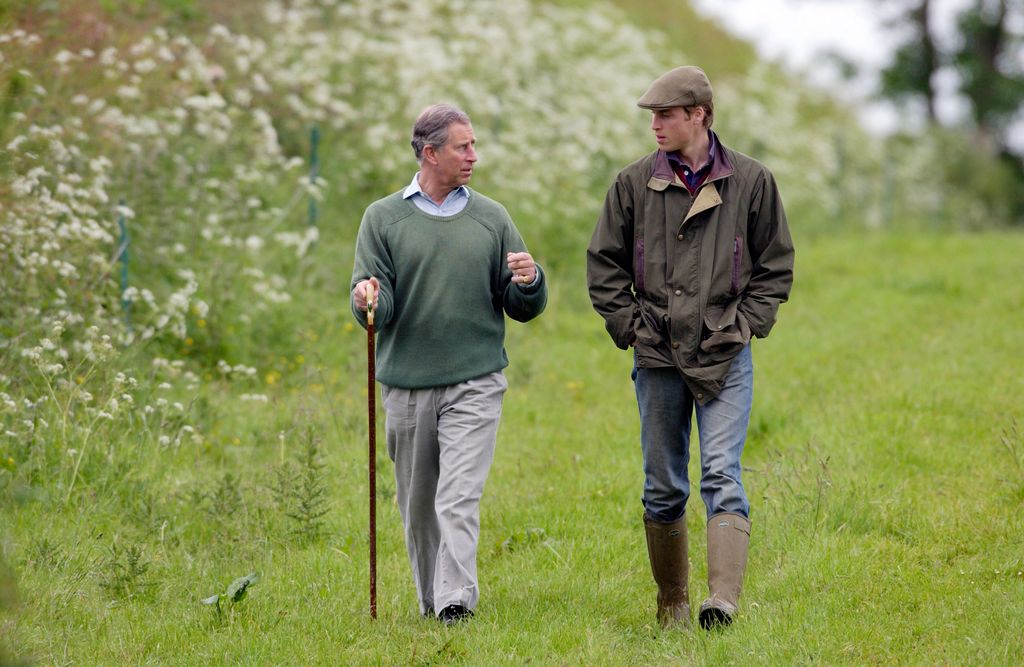
William and Charles have a similar passion for supporting environmental change as much as they can. Additionally, the heir has thrown a spotlight on mental health causes, backing campaigns that get farmers talking about their own mental health, as it can be a mentally demanding job as well as a physical one.
William making unpopular decisions
 © Andrew Parsons / Kensington Pala
Other decisions driven by William haven’t been as popular. The royal caused upset recently with the sale of land in the Duchy's Bradninch estate. It's not been made clear what the land will be used for next, but on farmingforum.co.uk, a user speculated the reason behind the surprise sale. "Maybe it was an offer they couldn't refuse? There's a lot of housing development going on over there, well, and everywhere really." Another added: "I would suspect the money raised would earn far more in another part of the investment portfolio."
Will Bax, chief executive of the Duchy of Cornwall, defended the decision by explaining the process to review where "we can make the most social and environmental impact across our existing portfolio".
 © Getty
"We will be reinvesting significantly in areas where there is the greatest need and potential. To drive this social and environmental impact means making some very tough decisions. These decisions are made carefully and with a long-term view."