

Members of the British royal family have long followed a strict set of rules – but did you know that royal families around the world adhere to their very own protocol? Whilst there are some similarities at first glance, there are a number of key differences in royal etiquette among the royal households.
Read on to discover how their rules set them apart…
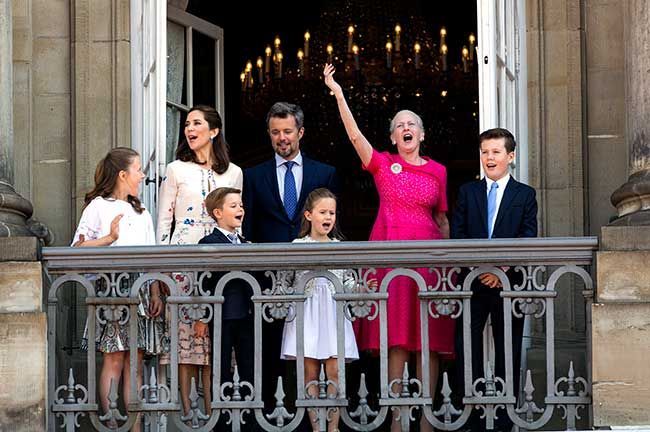
The Danish royal family
 © Photo: Getty Images
One tradition adopted by the Danish royal family centres on the announcement of baby names. After welcoming a new royal addition, the Danish royal family announce the baby's name during the baptism. In 2005, for instance, the public were left hanging with regards to King Frederick X and his wife, Mary Donaldson's first-born son.
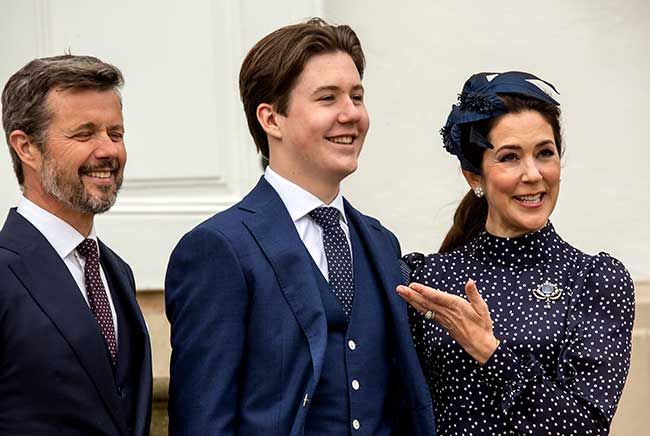
The youngster was born on 15 October 2005, and his name, Prince Christian, was only officially announced on 21 January 2006. Beyond this, the Danish royals tend to alternate between two male names: Frederik and Christian. The long-standing tradition has been in place since 1513 and has only been ignored on a handful of occasions.
The Greek royal family
 © Photo: Getty Images
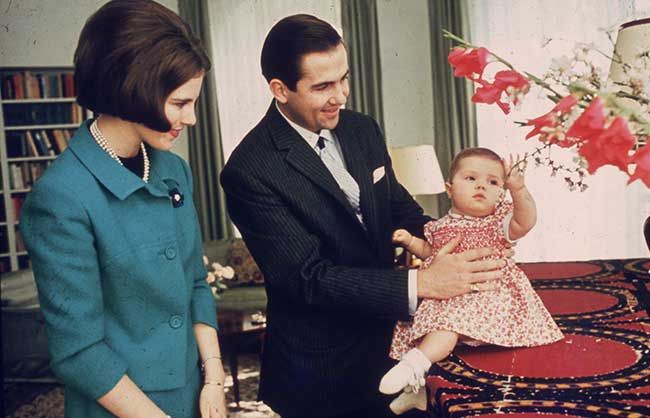
King Constantine with his family
In her book, Manners Begin at Breakfast: Modern Etiquettes for Families, Princess Marie-Chantal of Greece explained how the King and Queen have retained their titles (His/Her Royal Highness) even though Greece long abolished its monarchy. In fact, protocol dictates that anyone who marries into the family will also receive this royal title.
The Swedish royal family
 © Photo: Getty Images
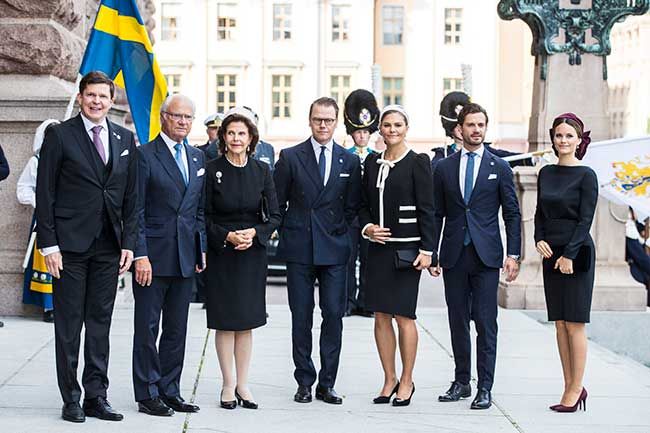
The Swedish royals at the opening of the parliamentary session
In 2019, there was a dramatic change to the Swedish royal family's protocol. The bombshell announcement declared that all the grandchildren of King Carl XVI Gustaf and Queen Silvia of Sweden, with the exception of the children of their eldest daughter, would lose their official titles.
At the time, the palace argued that the rule change would help to "establish which members of the royal family can carry out official Head of State duties or those related to the function of Head of State."
The Japanese royal family
 © Photo: Getty Images
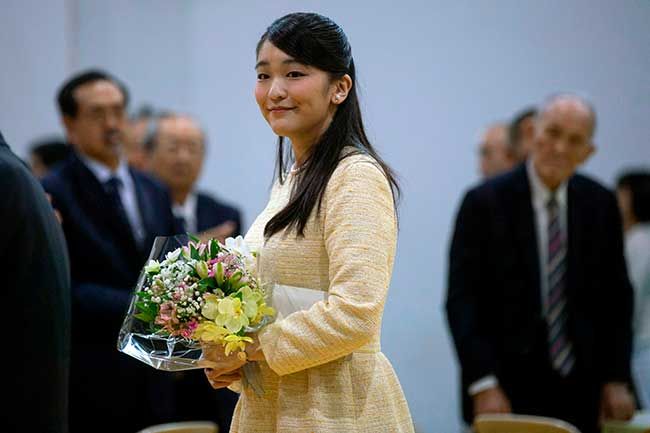
Princess Mako married Kei in 2021
In the Japanese royal family, women lose their status if they marry commoners. Princess Mako gave up her royal title in October 2021 in order to marry her college sweetheart, Kei Komuro. The couple did not have a formal wedding ceremony or hold a reception banquet or any of the traditional rites associated with imperial weddings.
The Dutch royal family
 © Photo: Getty Images
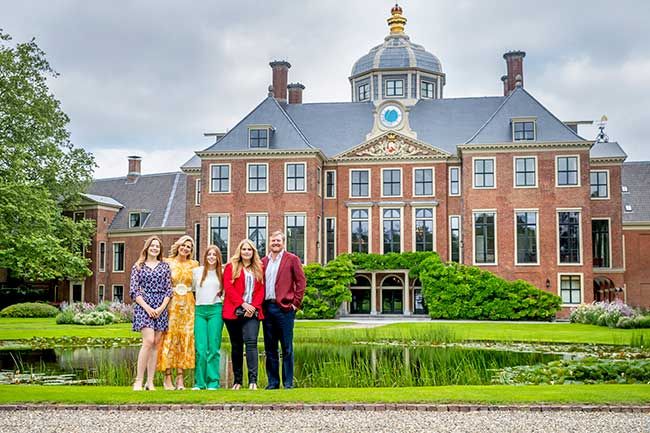
The Dutch royals at Huis ten Bosch Palace
Unlike many of the European royals, the Dutch royals do not wear crowns! King Willem-Alexander of the Netherlands didn't wear a crown at his inauguration ceremony in 2013, for instance. Instead, the crown, orb, and sceptre were displayed on a table next to him for ceremonial purposes.
The British royal family
 © Photo: Getty Images
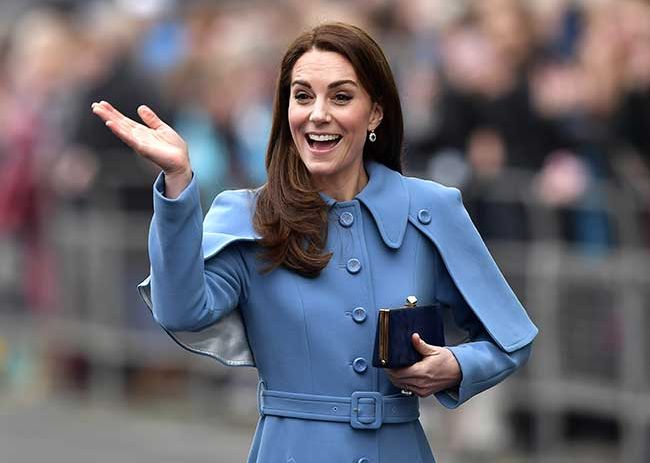
Princess Kate married into the royal family in 2011
While it's not said to be strictly enforced, the late Queen was said to prefer royal ladies to wear tights for formal events. The Princess of Wales loves a nude stocking, while the Duchess of Sussex was spotted wearing hosiery for the first time as a member of the royal family during a garden party to celebrate King Charles' 70th birthday in 2018.
The Monegasque royal family (Monaco)
 © Getty
Under the strict House Laws of Monaco, any member of the Princely Family who wishes to marry must obtain the express, written consent of the reigning Sovereign (currently Prince Albert II). If a royal marries without his blessing, they, and any future children from that marriage, are immediately stripped of their place in the line of succession. Interestingly, if the marriage ends in divorce or the spouse dies, their place in the succession line is restored.


