Did you hear that? It’s the sound of… nothing. Chances are, it’s something you haven’t experienced in a while. Modern life is louder than ever, a constant cacophony of notifications, traffic and digital distractions – and our health, and happiness, are paying the price.
According to the World Health Organisation, noise pollution is now the second-biggest environmental risk to health, linked to cardiovascular disease, high blood pressure and disrupted sleep. Despite this, silence is often still viewed as a negative, an absence of sound that can feel uncomfortable or even confrontational – a void to be filled.
In reality, the opposite is true. Silence gives the brain space to pause and reset, which helps with problem-solving skills and learning, and enables creative ideas to flourish. It can even stimulate brain growth, according to a study by the regenerative biologist Imke Kirste.
A study by Johns Hopkins University in 2023 found that the brain processes silence in the same way it does sound – as an event – meaning that silence plays an active role in regulating attention and emotion. “Silence can have a transformative effect on wellbeing,” says Kirstie Thorley-Mitchell, the head of wellness at Boots. “In a world where chronic stress is now a baseline for many, awareness is growing around the impact of elevated cortisol. Learning how to access quiet is becoming a powerful way to switch off, recalibrate and focus.”
Kirstie notes that in an age of hyper-connectivity, quietness has become the ultimate luxury; and, just like sleep or slow living, it’s being rebranded as something to pursue. In short, silence has become a form of self-care.
Quiet, please
“Silence is no longer understood as a lack of sound but as a deliberately designed sensory state,” says Rose Coffey, the senior foresight analyst at The Future Laboratory, in her Designing Silence report. She points to the rise of “quietcations” – holidays built around calm rather than entertainment – as evidence that silence is being positioned as a premium response to modern stress, and notes that it is increasingly being quantified.
Sweden’s Skåne province has created a “map of quietude”, ranking locations by decibel level to help people seek out peace.
Silence has also become a bookable experience. Darkness retreats are emerging as the most extreme evolution of silent hospitality, and this year, Sacred Tree will open the UK’s first dedicated darkroom retreat hotel. “Silence is changing from an intangible benefit to an emotional and psychological luxury,” Rose says.
 © Getty Images
Pursuit of hush
Research suggests that even short bursts of silence can benefit our health, with two-minute periods of silence having the most profound effect on subjects, helping to relieve tension and reduce blood pressure.
Experts recommend weaving short, intentional moments of quiet into your day, such a few minutes between meetings or a quiet walk in nature. As we’ve become desensitised to loud sounds, it’s become harder to appreciate the quieter ones, which makes silence an auditory sorbet or a palate-cleanser for the senses.
“Aim for five minutes of silence every day. If you can’t get absolute silence, go for the quietest place you can, even if it means locking yourself in the bathroom,” says Julian Treasure, the chairman of The Sound Agency and a five-time TED speaker. “It will help you to rediscover your baseline and recalibrate your ears.”
Silence also plays a crucial role in sleep, which is, Kirstie notes, one of the most powerful tools for long-term good health. “Noise increasingly dominates our mental and physical rhythms, yet it’s often overlooked as a public-health issue because sound is invisible,” says Poppy Szkiler, the chief executive of Quiet Mark, an independent global acoustic certification programme associated with the Noise Abatement Society, which was founded by Poppy’s grandfather in the Fifties.
The free directory lists thousands of Quiet Mark-certified products that “help to equip people with a choice of quieter, more peaceful products that support their wellbeing”.
Because in a world that never stops talking, sometimes the healthiest thing you can do is listen to the quiet.
Quiet Time Kit
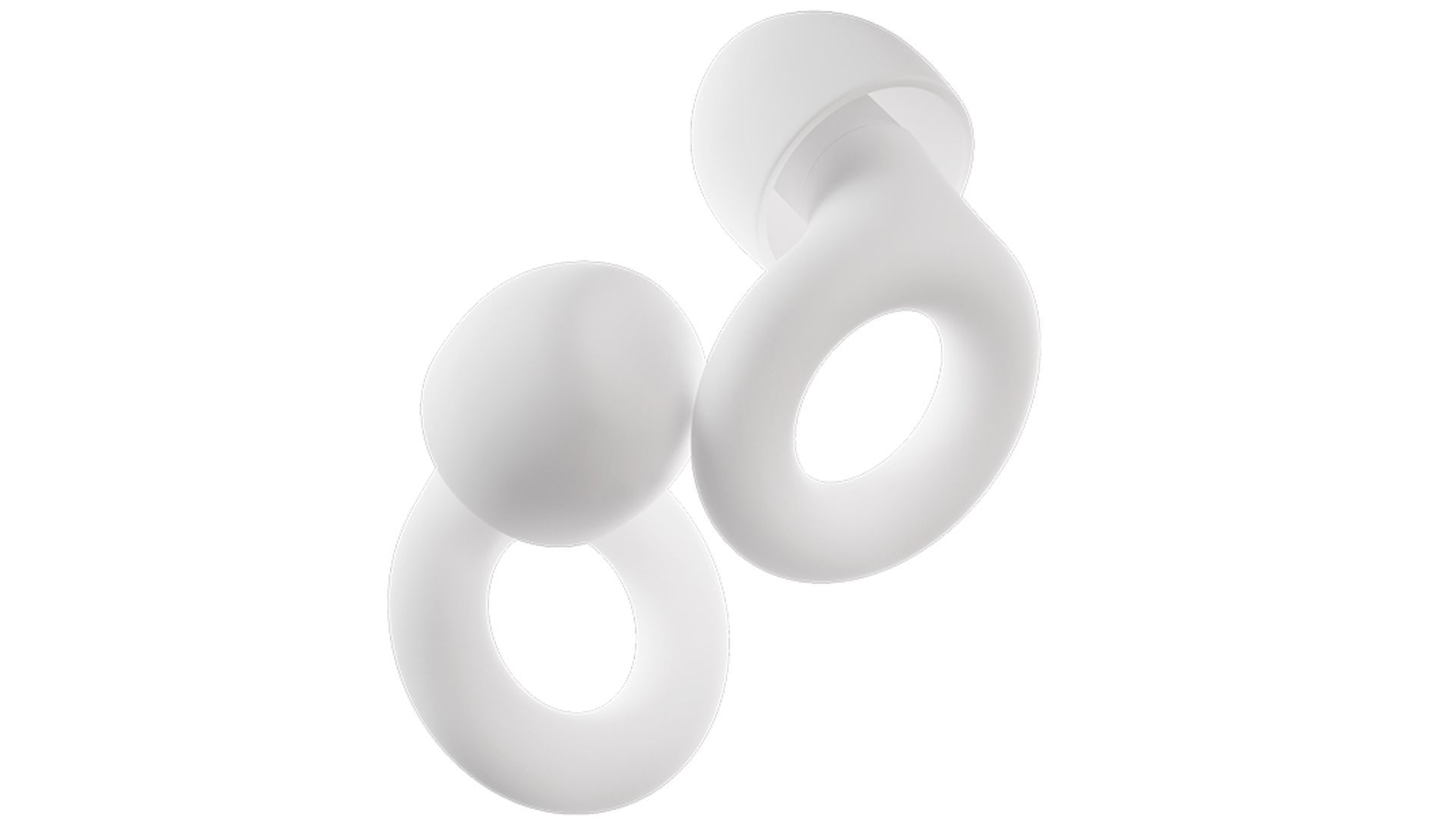
Loop Quiet 2 (£19.95) – the brand offers a variety of earplugs, and this one is best for deep focus, travel, commutes and sleep.
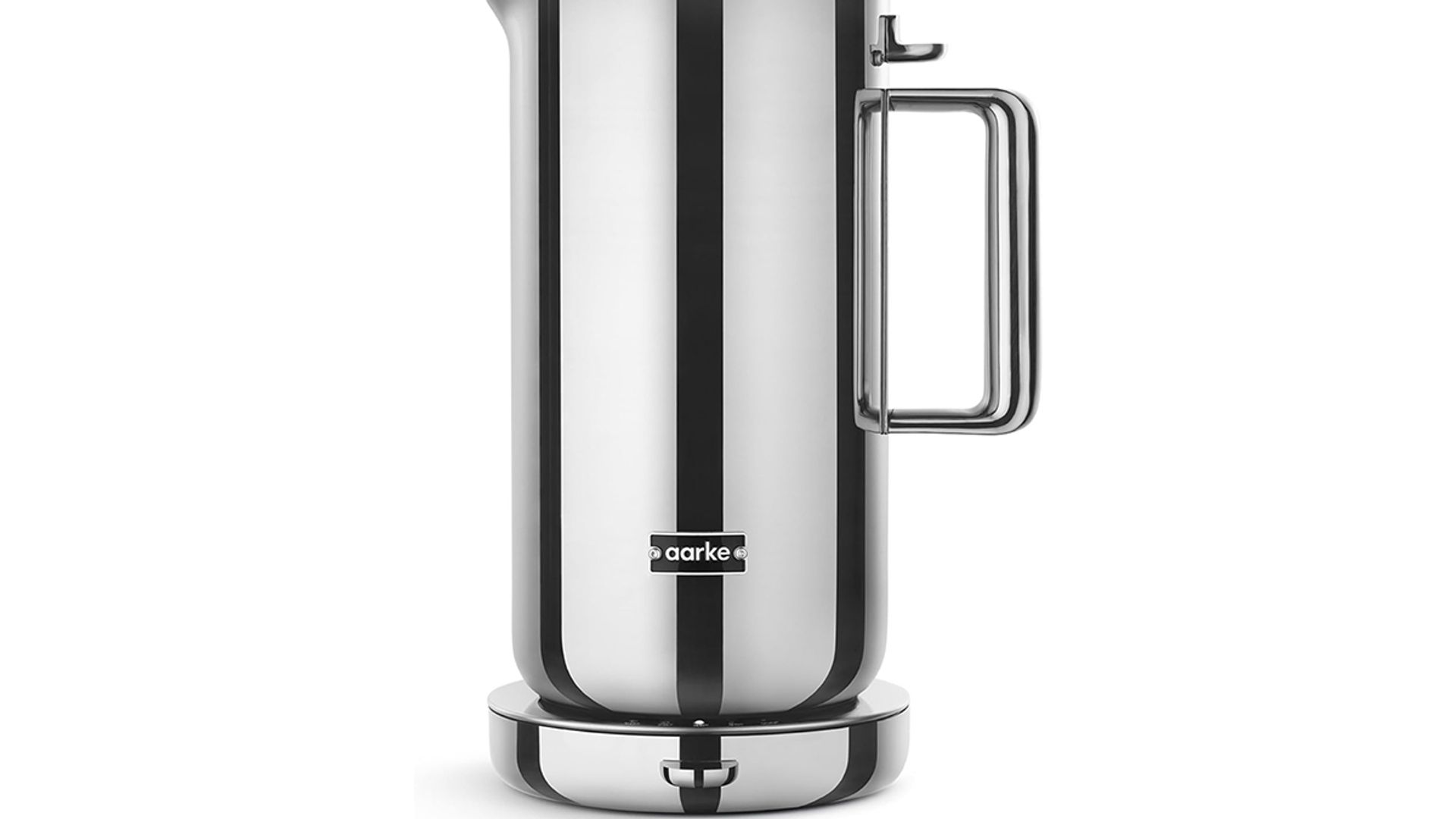
Aarke Kettle (£200) – one of Quiet Mark’s lowest noise certified kettles, this will help you to ease into the day with a calming cuppa.
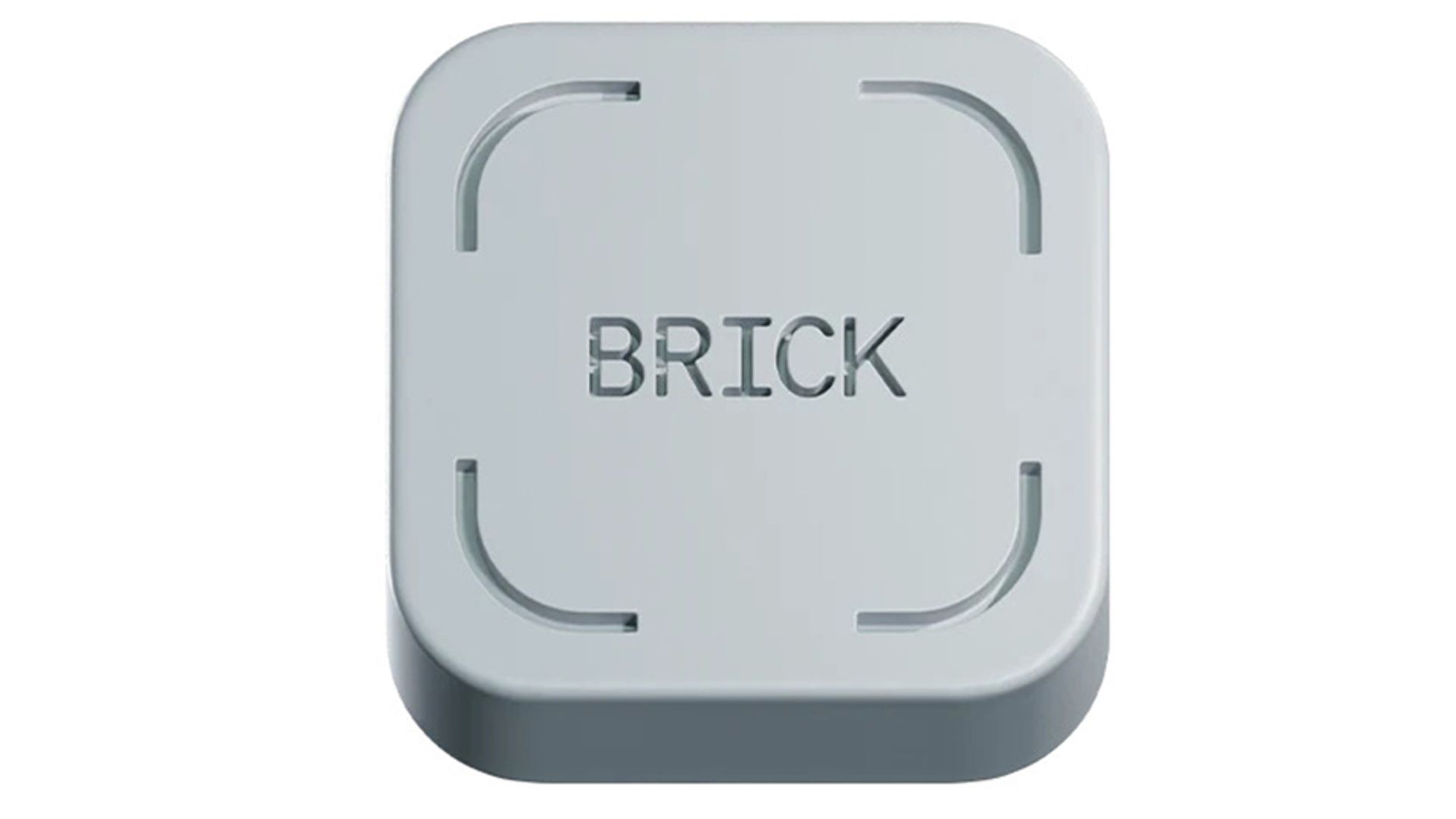
Brick App (£54) – this physical device temporarily removes distracting apps, allowing you to “step away from the noise and into the moment”.
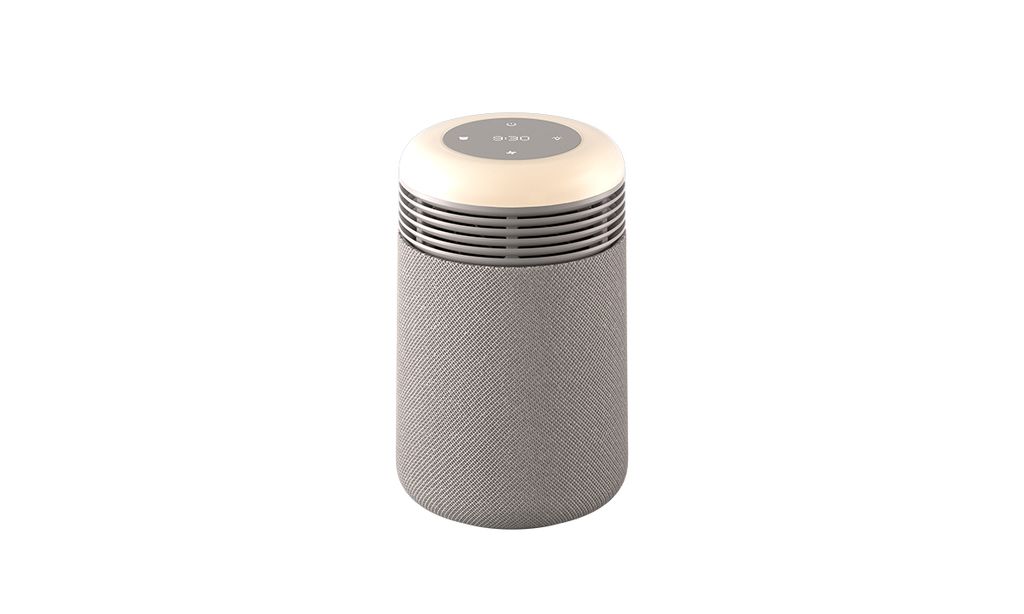
Blueair Mini Restful Sunrise Clock Air Purifier (£169); another of Quiet Mark’s top recommendations for a wake-up befitting a Disney princess.
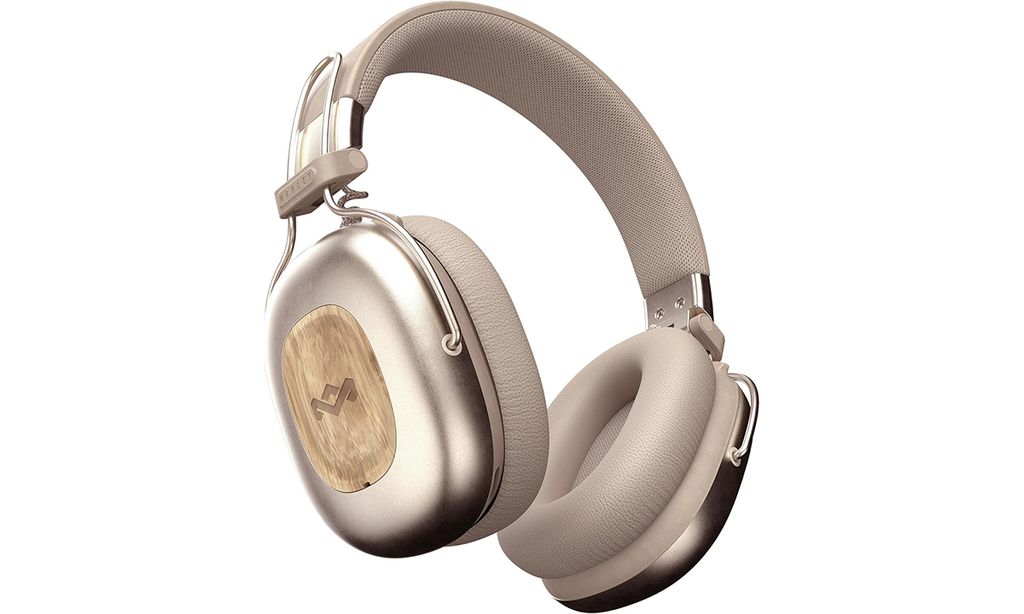
House Of Marley Positive Vibration Rebel ANC Headphones (£129.99) – these foldable Bluetooth headphones from the eco-conscious audio brand feature adaptive noise-cancelling technology, making them perfect for commuting or simply unwinding.


