

Kris Jenner wowed the celebrity world last year when she debuted her age-defying facelift, with fans saying the 70-year-old looked younger than her 40-something daughters after having the surgery.
However, less than a year later, the Kardashian matriarch is reportedly unhappy with the results of her cosmetic procedure, claiming that they are "fading."
For what it's worth, I think Kris looks fab still – but we're our own worst critics, and while I've never spent the (reported) $300,000 that Kris forked out for her facelift, I do feel the momager's pain, for I too have been left disappointed when my aesthetics treatments haven't lasted in the way I'd hoped.
 © AFP via Getty Images
Before we delve into my personal gripes, it's worth noting that if Kris' facelift is already dropping, she's right to be peeved, as plastic surgeon at CREO Clinic Omar Tillo explains: "Kris had her facelift done just about a year ago, which means results are deteriorating unusually quickly."
Why might a facelift fade?
It’s impossible to say with certainty why this is happening without examining the patient directly, but there are several possible explanations for this," begins Tillo. "First, technique matters enormously. A superficial skin-only lift may produce an immediate result that looks impressive in the early weeks, but without repositioning the deeper structural layers, that result has little to anchor it. Skin alone has poor memory and will relax."
This is the same reason that if you don't work on the deeper layers of your skin, no amount of surface-level treatments is going to result in the tightened look that so many of us dream of. But back to Kris and why her facelift hasn't left her smiling. Tillo notes that factors, including skin quality, genetics, sun damage, and significant weight changes, can all affect how well the skin and tissue hold their repositioned state over time. "In some cases, early fading reflects the patient's biology as much as the procedure itself."
As mentioned, Kris' own opinion of how she looks is crucially what this comes down to, and Tillo notes that our expectations and perceptions play a role in our thinking that our treatment hasn't lasted.
 © FilmMagic
"Patients (particularly those in the public eye, surrounded by imagery and comparison) can sometimes perceive fading that is actually normal settling.
"A facelift produces its final result at around six to twelve months post-surgery, once swelling has fully resolved. What some interpret as results disappearing may in fact simply be the difference between early post-operative appearance and the true long-term outcome."
My experience of fading cosmetic procedures
In my case, I often think that my Botox fades far too fast. It feels like my forehead is only frozen for a month or so (as Tillo says of a facelift, this is simply before my injectable has settled), before the wrinkles start creeping in again.

Keen to know if Kris and I have something in common in thinking our cosmetic treatments fade too fast, I spoke to industry insiders about how long Botox, filler, and more should last – and what can cause them to fade quicker than we'd like.
How long does Botox last?
According to Dr. Richard Devine, Aesthetic Doctor and founder of Devine Clinic, on average, Botox tends to last around three to four months, although he notes some people may notice results wearing off slightly sooner, while others can enjoy the effects for up to five or even six months in certain areas. I find mine only lasts a couple of months before I'm clamouring to get back into the clinic.
He cautions: "The first treatment can sometimes wear off a little faster, while regular maintenance treatments may seem to last longer over time. Areas such as the forehead, frown lines, and crow's feet can all respond slightly differently depending on muscle strength and movement."
Why might Botox fade faster?
Dr. Devine says that Botox longevity can vary for several reasons. "Stronger facial muscles often use up the effects faster, which is why people who are very expressive may find movement returns sooner.
"Metabolism plays a part too, as some people naturally process Botox more quickly," he notes.
On top of that, age, skin quality, lifestyle habits and how much product was used can all influence results. "Frequent heat exposure, such as saunas, steam rooms and spending long periods in very hot climates, may also play a role in some patients, particularly when combined with high activity levels."
Finally, injector technique is important for long-lasting Botox, as accurate placement and correct dosing usually lead to better, longer-lasting outcomes.
How to make Botox last longer
"The best way to make Botox last well is consistency. Keeping up with regular appointments before movement fully returns can help train the muscles to soften over time."
Dr. Tillo adds that protecting the skin with SPF, managing stress, sleeping well and avoiding smoking can all support better overall results.
"The best way to make Botox last well is consistency"
How long should filler last?
Despite hearing many horror stories of filler living in our bodies forever, in my experience, it doesn't seem to last long, leaving me hankering for a top-up just a few months after my initial injections.
Aesthetics aficionado Dr. Liesel Holler explains that how long filler lasts is often dependent on where it is placed. "In my experience, most patients can expect results to last anywhere between 12 and 17 months, but that's a broad range for good reason," she begins. "Lip filler and a cheek filler behave very differently in the tissue. Lips tend to metabolise filler faster due to the constant movement in that area, often lasting nine to 12 months, whereas filler placed in the cheeks or jawline can last anywhere from 12 to 18 months, sometimes longer."
What causes filler to fade?
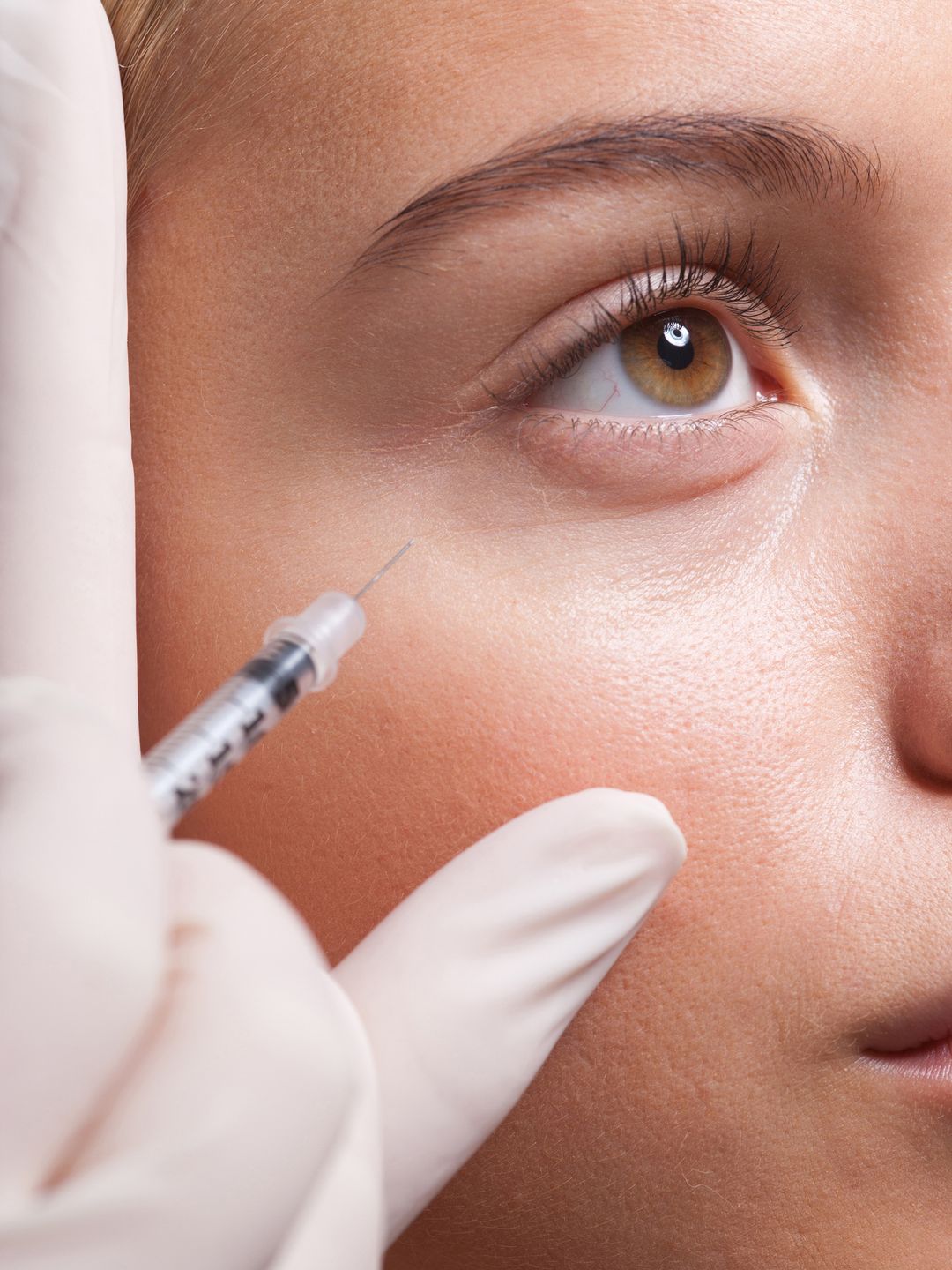
1. The brand of filler
Firstly, the brand and quality of filler used make a real difference, according to Dr. Liesel.
"Premium hyaluronic acid fillers are formulated to last longer than cheaper alternatives, and this is one area where cutting costs rarely pays off."
2. Filler placement
The depth of your filler placement is another factor that is often overlooked, she continues. "Filler placed deep against the bone - what we call supraperiosteal placement - tends to last longer than more superficial placement, as it's less subject to the movement and tissue turnover in the upper layers of the skin.
3. Your age
Our metabolism and our age play a role in how long fillers last, Dr. Liesel cautions. "Younger patients with more active tissue turnover may find filler doesn't last quite as long, though I'd describe that as a clinical observation rather than something conclusively proven."
4. Areas of movement
"High movement areas are the most obvious reason filler fades in certain places," explains Dr. Liesel. "The lips in particular are constantly in use, which accelerates breakdown."
5. Actual movement
"I see faster fading in patients who are very physically active, possibly due to increased metabolic rate and circulation, though the evidence here is based more on clinical observation than controlled research."
6. Lifestyle habits
"Significant sun exposure and UV damage can also play a role in the fading of filler, as there is good evidence that UV radiation generates free radicals that degrade hyaluronic acid in the tissue - another good reason to wear SPF daily.
"There is also well-documented evidence that smoking accelerates the breakdown of hyaluronic acid specifically, through the damaging effect of free radicals on the tissue."
7. Inflammation
"Inflammation is another factor that doesn't get talked about enough. When the body mounts an inflammatory response, it upregulates its own hyaluronidase enzyme, which actively breaks down hyaluronic acid.
8. Weight loss
"Weight loss can sometimes make filler appear to diminish more quickly, particularly in the face, as changes in surrounding fat and tissue alter overall contours," adds aesthetic doctor Nabil Jetha, founder of Dr. Nabil Jetha Clinic. In some cases, the filler itself may still be present, but changes in the face make the result less noticeable.
Liquid rhinoplasty not lasting
My colleague, Best Quality Designer Handbag 's Homes Editor Rachel Avery, had an incredible liquid rhinoplasty done at Marylebone's Alta Medispa, though after seven months she tells me she's in the market for a top-up: "Everyone says it still looks straight but I’ve noticed the filler finally settling, so I'm looking to book back in."
I asked her practitioner, Anastasia Kole, who founded the clinic, for her advice on how long a liquid rhinoplasty should last -and if it’s normal that Rachel is starting to see it fade.
How long does liquid rhinoplasty last?
"Liquid rhinoplasty typically lasts anywhere from nine to 18 months, depending on the type of filler used, the area treated and the individual patient.
"In some cases, results may soften a little sooner, while others find the outcome lasts longer. The nose tends to be a relatively low-movement area compared with the lips or around the mouth, which can help filler remain stable for longer. That said, subtle refinement is usually best maintained with small top-up treatments rather than waiting for it to disappear completely."
Why does liquid rhinoplasty fade faster?
Anastasia says of the longevity of liquid nose jobs: "Several factors can influence longevity. Metabolism plays a big role, as some people naturally break down filler faster than others.
"Skin thickness, nasal anatomy, and how much product is required can all make a difference too. Lifestyle factors such as intense exercise, high stress levels and smoking may also impact how quickly the body metabolises filler. Technique matters as well, as careful placement by an experienced injector can help results look smoother and last more predictably."
She continues that frequently wearing heavy glasses, regularly pressing or rubbing the nose, can impact longevity, while significant weight loss or major shifts in hydration levels may make results appear to diminish sooner, too.
As Rachel noted, it's also personal appearance, according to the expert: "In some cases, patients think the filler has disappeared when in reality they have simply become used to their new profile and are noticing their original features again."


