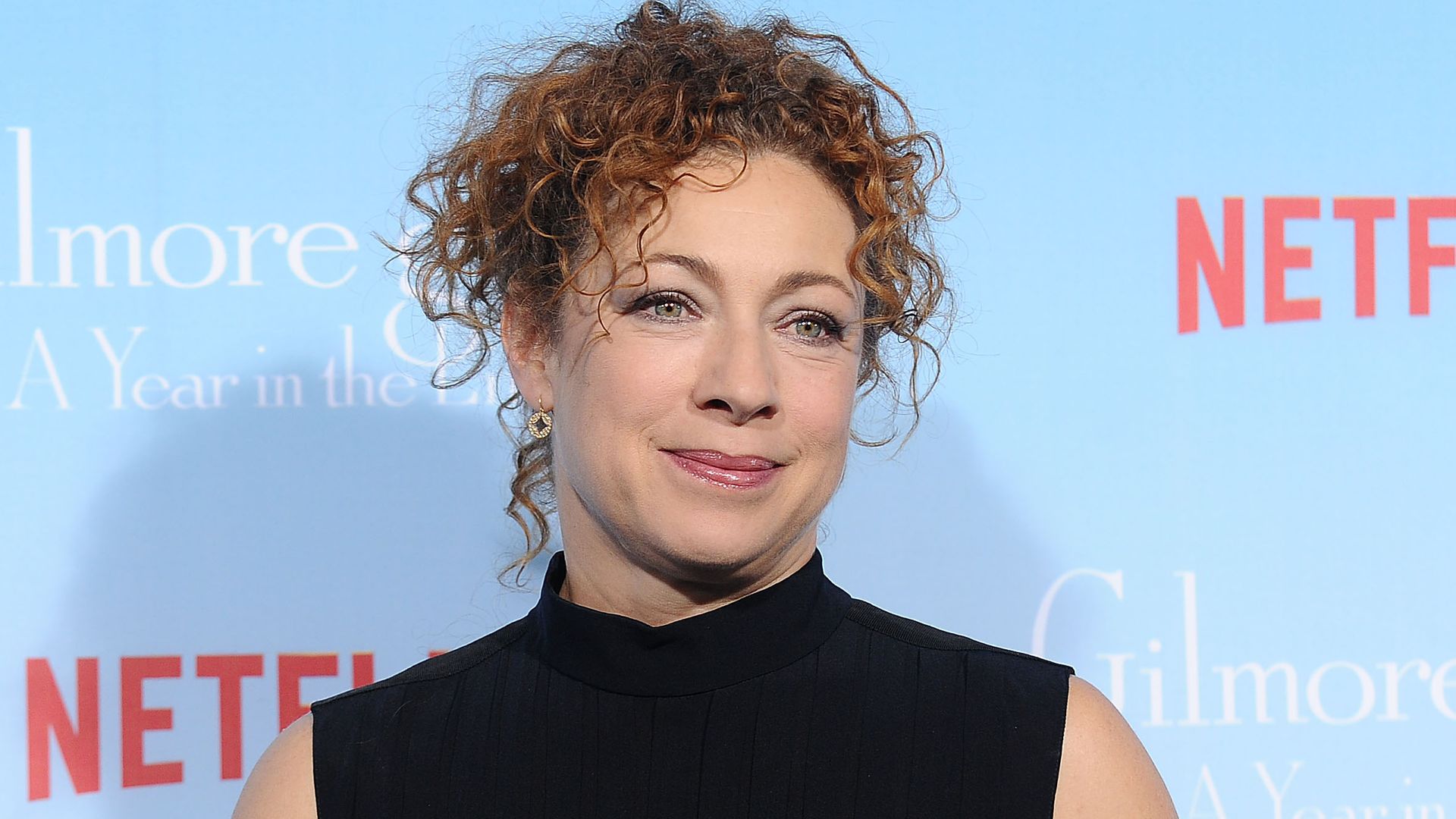

Strictly Come Dancing star Alex Kingston revealed why she almost missed her uterine cancer warning signs and explained how she mistook the disease's symptoms for signs of ageing until her body forced her to take action.
Opening up about her health battle during her time on the BBC ballroom dancing competition show, she shared details of her treatment and recovery, which included a hysterectomy and radiation therapy.
The 62-year-old ER actress's experience prompted her to speak about womb cancer more candidly while she was paired up with her professional dance partner Johannes Radebe.
She said that she was forced to seek medical attention after she "started haemorrhaging on stage" while performing in a play. The star had ignored warning signs from her body, such as "bloating and weight gain, or injuries not healing properly".
"I thought, 'This is what it’s like to be in your 60s, and it’s just part and parcel of getting older'," she told Prima magazine. The star continued: "I hadn’t realised that uterine cancer was a cancer that didn’t get much airtime. I think it’s probably because on the whole, it is a cancer where if you recognise something is wrong, your body is able to tell you. And if it’s caught early enough, it is survivable."
In remission and finished with her treatment, the star is on the road to recovery. While she continues to raise awareness by sharing her story, HELLO! asked the experts to outline the main symptoms associated with uterine cancer so we can all spot them before it is too late.
It starts the same way in 90 per cent of women
Ordinarily, this type of cancer affects women in later life who have experienced menopause, but that's not to say it can't affect younger women too. The main symptom is vaginal bleeding, making it easier to spot when you no longer have periods.
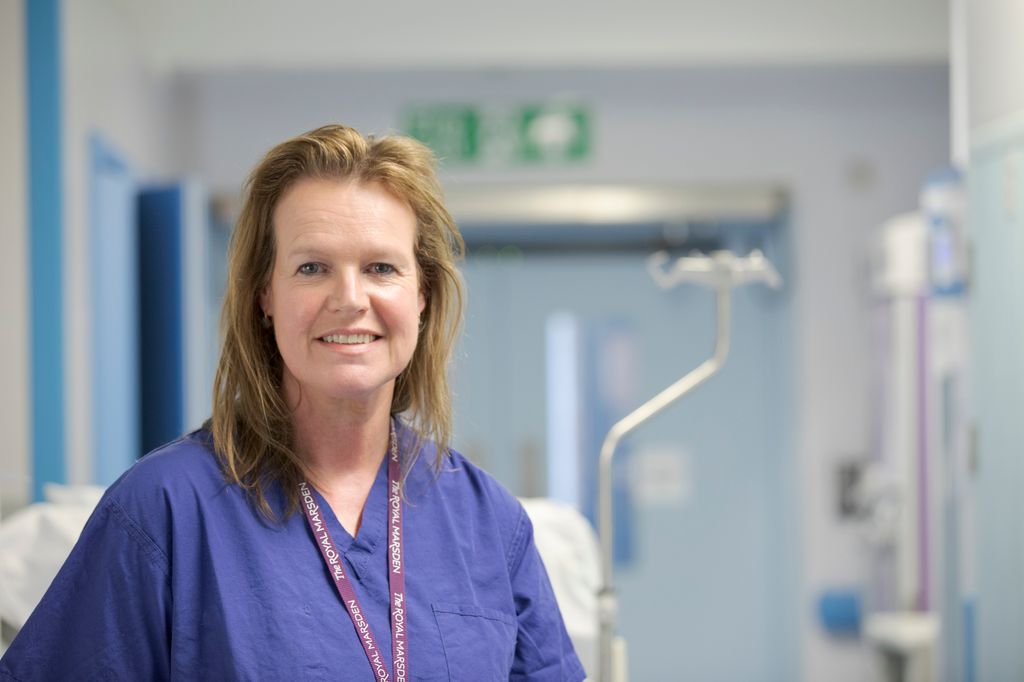
Marielle Nobbenhuis is a consultant gynaecological oncology surgeon and head of surgery at The Royal Marsden NHS Foundation Trust, a world-leading specialist cancer centre. She explained what to look out for when it comes to this type of cancer.
The surgeon told Best Quality Designer Handbag : "The main symptom of this type of cancer is abnormal vaginal bleeding, and that is actually in about 90 per cent of all women with womb cancer - it starts with abnormal bleeding.
"It's mostly seen in postmenopausal women. So when women haven't had a period for at least a year, and they suddenly start having vaginal bleeding, that's always an indication that you need to go and see a doctor for further investigation."
 © BBC/Kieron McCarron
She added: "It can also be in younger women who still have regular periods, it can be bleeding in between periods or a strange pattern with suddenly having heavier periods or longer periods.
"You can also sometimes have a little bit of funny discharge, which can be watery, pinky-brown, which is not something you normally would experience. I think every woman with a change in periods should have some sort of investigation."
A note of optimism
While receiving a diagnosis for any type of cancer can be extremely terrifying and upsetting, according to the specialist, womb - or uterine - cancer is less worrying than most for females.
She said: "I always say that womb cancer is the best type of female cancer to get because it has the highest five-year survival rate, and that is because of these postmenopausal women having a bleed. When you're 70 and you suddenly have a bleed, you know it is something strange.
 © BBC/Ray Burmiston
"Normally, when they're diagnosed, they have a very early stage, so it is in the vast majority, very treatable with a very good rate of five-year survival. When it is all confined to the womb, we do a hysterectomy, which should be done via a keyhole or laparoscopically and then the recovery is really quick."
The Royal Marsden surgeon added: "Of course, there are examples where it's slightly more complicated to treat, so some women will say, 'Well, it's been removed, but the doctors still want me to have a little bit of radiotherapy to make sure that the cancer's not coming back'.
"In these cases, when women have had adjuvant treatment, we follow up with them a little more with scans and see them regularly in the clinic for at least five years."
 © Dominick Tyler
Marielle Nobbenhuis is a gynaecological oncology surgeon. She qualified in medicine from the University of Leiden in the Netherlands and continued to train in gynaecology and obstetrics at the Erasmus Medical Centre in Rotterdam. She completed the RCOG-recognised sub-speciality Gynaecological Oncology fellowship at The Royal Marsden in 2009.


