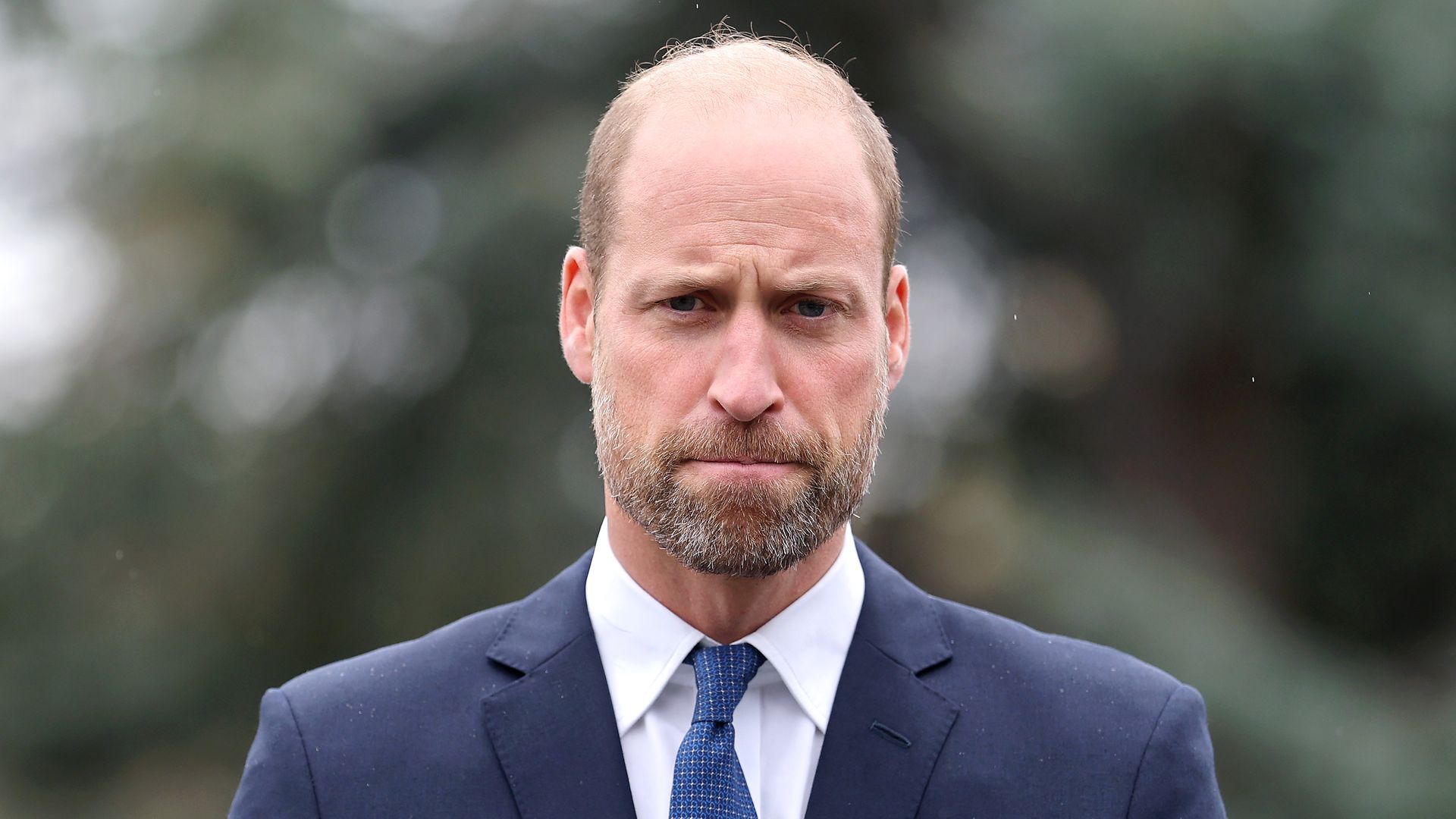

In a groundbreaking new interview on Radio 1's Life Hacks, The Prince of Wales has given an unprecedented insight into his mental health. The heir to the throne advocated for open dialogue while revealing his own experiences and the importance of taking the time to "understand my emotions".
In a special episode of the BBC programme, Prince William, 43, told host Greg James that we "need more male role models" and urged people to communicate openly about their feelings rather than bottling them up.
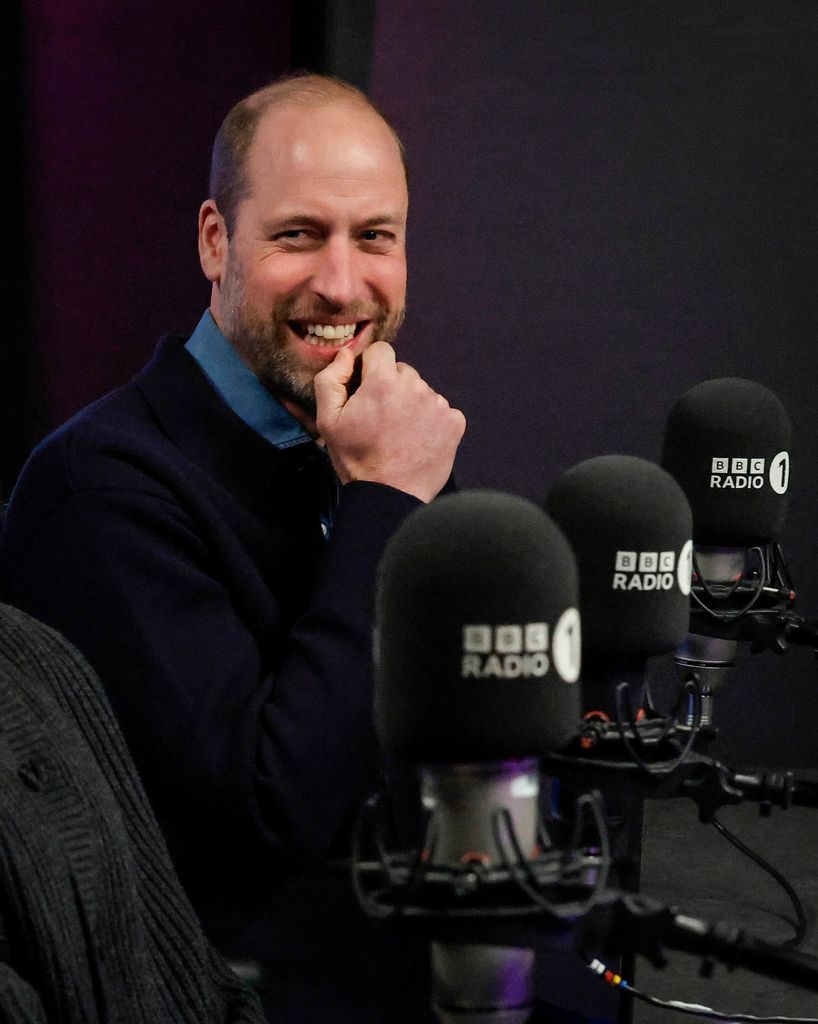 © Andrew Parsons / Kensington Palace
During the panel discussion, the future monarch reflected on his own experience of mental health. "I take a long time trying to understand my emotions and why I feel like I do, and I feel like that's a really important process to do every now and again, to check in with yourself and work out why you're feeling like you do," said William, whose Royal Foundation is contributing £1 million to develop a National Suicide Prevention Network.
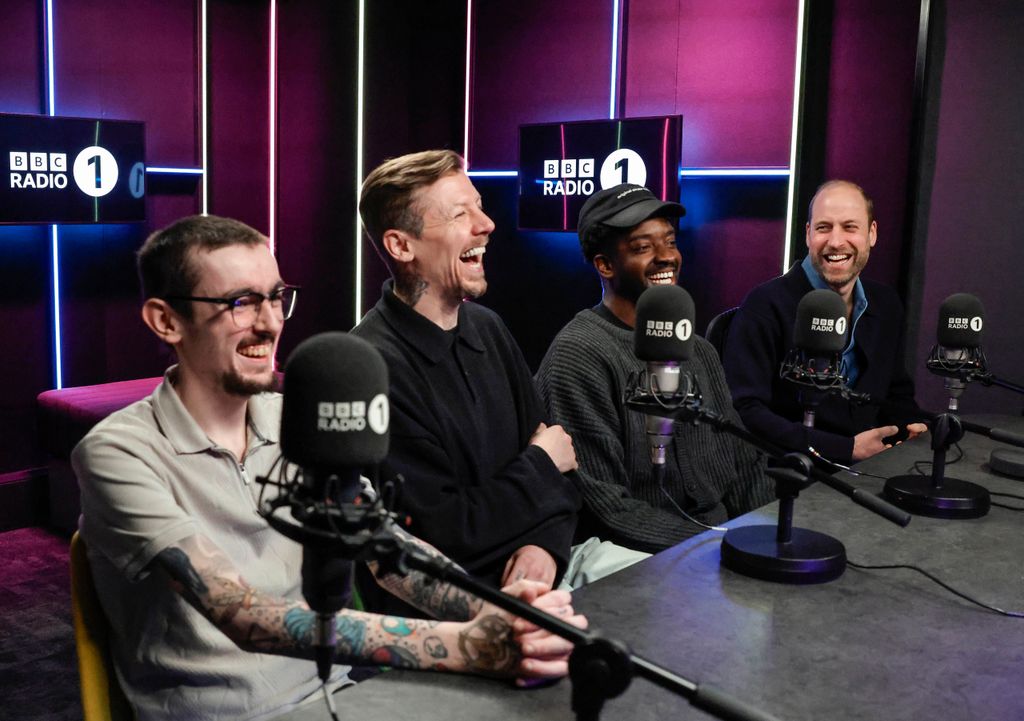 © Andrew Parsons / Kensington Palace
"Sometimes there's an obvious explanation, sometimes there isn't. I think that idea that mental health crisis is temporary - you can have a strong mental health crisis moment but it will pass."
"I take a long time trying to understand my emotions and why I feel like I do, and I feel like that's a really important process to do every now and again, to check in with yourself and work out why you're feeling like you do."
How Prince William navigates his children's feelings
For Prince William, it's "amazing" how much his children, Prince George, 12, Princess Charlotte, ten, and Prince Louis, seven, are able to talk openly about their feelings, even if he can't always "fix" the problem.
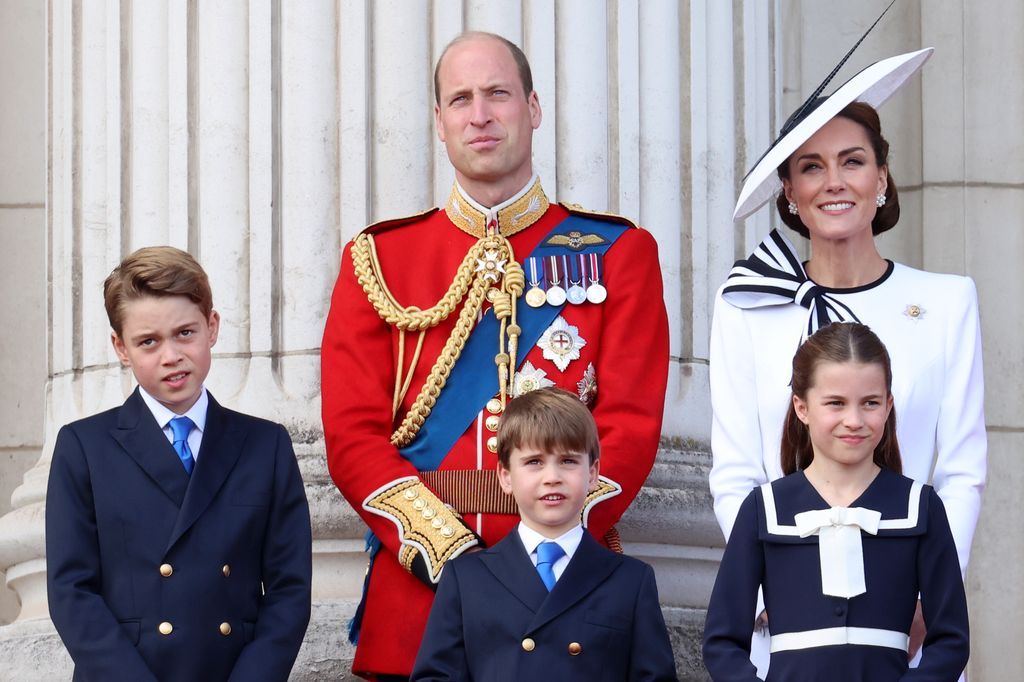 © Getty Images
When asked if his kids, whom he shares with his wife, Catherine, Princess of Wales, are open about how they're feeling, the dad-of-three quipped: "Yes, sometimes too much.
"I get all the details, which I love. It's amazing," he revealed. "Being able to understand it, have time with it, decipher it, sometimes. You feel a sense that you need to fix it for everyone and that I find quite difficult. I have to remind myself that you don't need to fix everything but you need to listen and it's important to be ok with those feelings and comments."
"I have to remind myself that you don't need to fix everything but you need to listen."
Making changes for the next generation
William emphasised the importance of breaking the generational stigma surrounding mental health.
"For the next generation, understanding emotions is ok," he explained "You're going to have uncomfortable emotions and really great emotions, there's a huge spectrum in between."
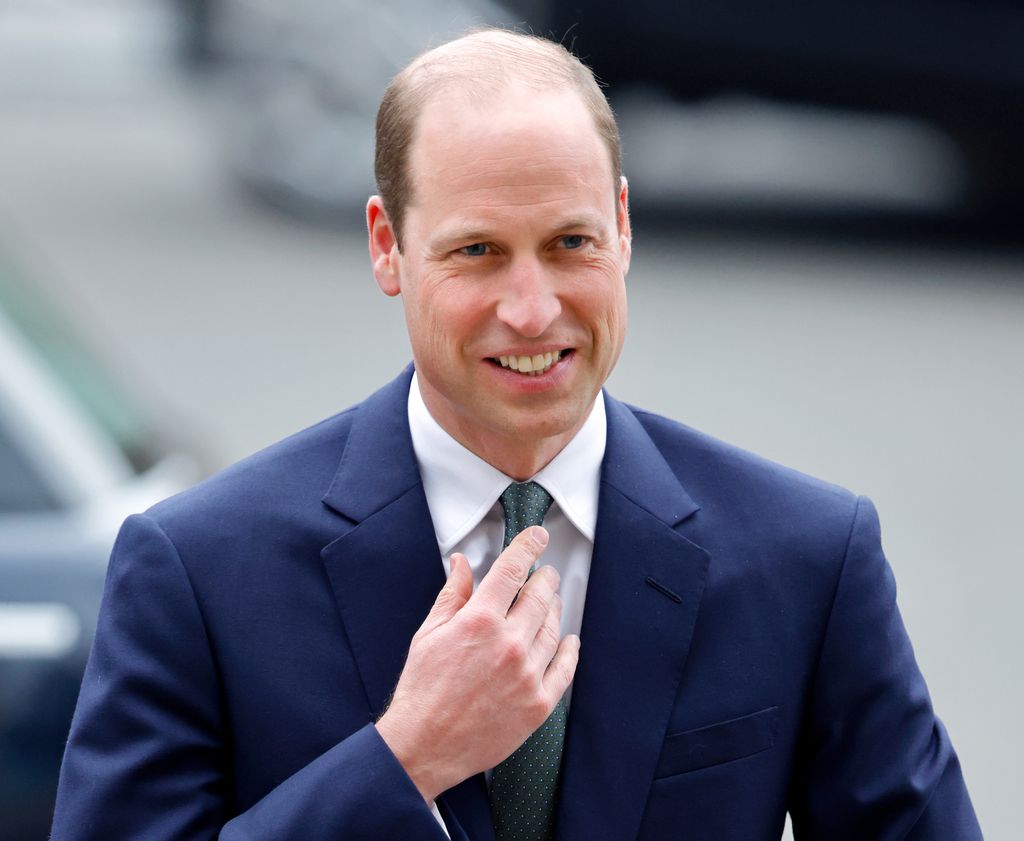
"My understanding, learning about mental health through my journey, has been about understanding why the previous generations didn't talk about it," he continued, adding that those who lived through the World Wars "couldn't talk about their emotions".
 © Getty Images
"They kept to themselves and handed that mantle onto the next generation, not deliberately, but that's all they knew," he said, before encouraging younger generations to "break that cycle".
"You have to talk about your emotions, you can't just bottle them up and pretend they don't exist because that's when it all goes wrong," he said.
A trailblazing royal
By opening up about his own personal struggles, Prince William has proved himself to be a trailblazer for mental health, using his platform to tackle stigmas, normalise men's discussions around mental health and promoting the importance of well-being.
 © Getty Images
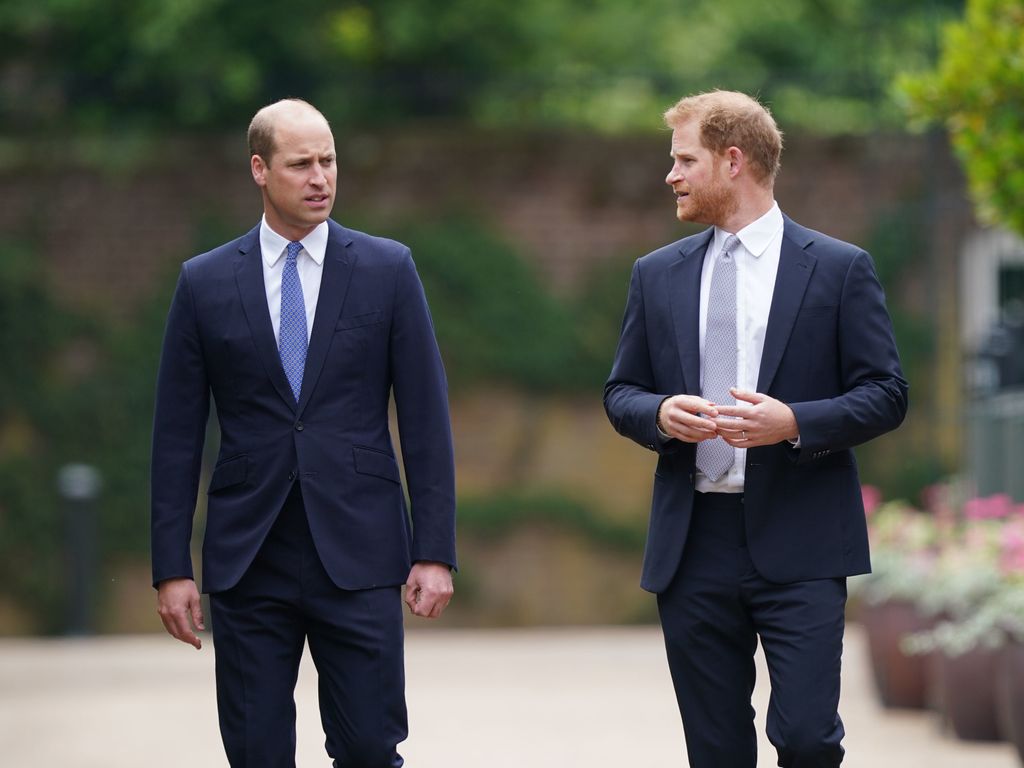
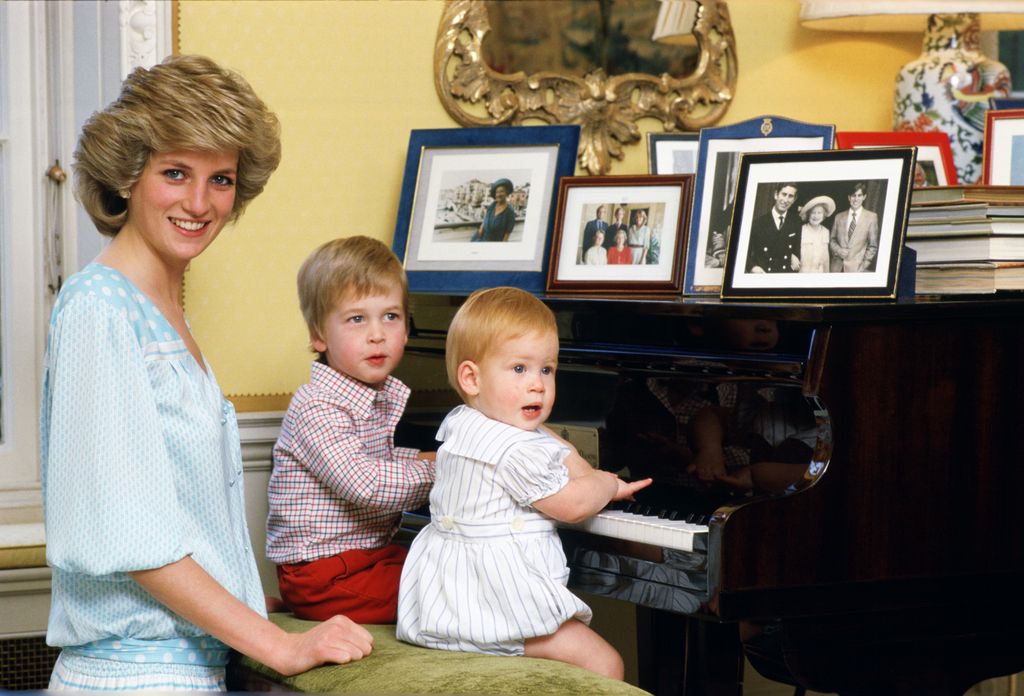
It's a cause that's long been close to his heart. In 2016, the royal spoke about the death of his mother, Princess Diana, when he and his brother, the Duke of Sussex, launched a mental health campaign called Heads Together, which encouraged people to speak openly about their problems. He also described the loss of his mother as a "pain like no other" in a BBC TV documentary about mental health in 2019.
 © Getty
"A pain like no other pain."
More recently, in October last year, The Royal Foundation of The Prince and Princess of Wales launched the National Suicide Prevention Network, which aimed to transform suicide prevention in the UK. The campaign was backed by over £1 million in funding from The Royal Foundation.


