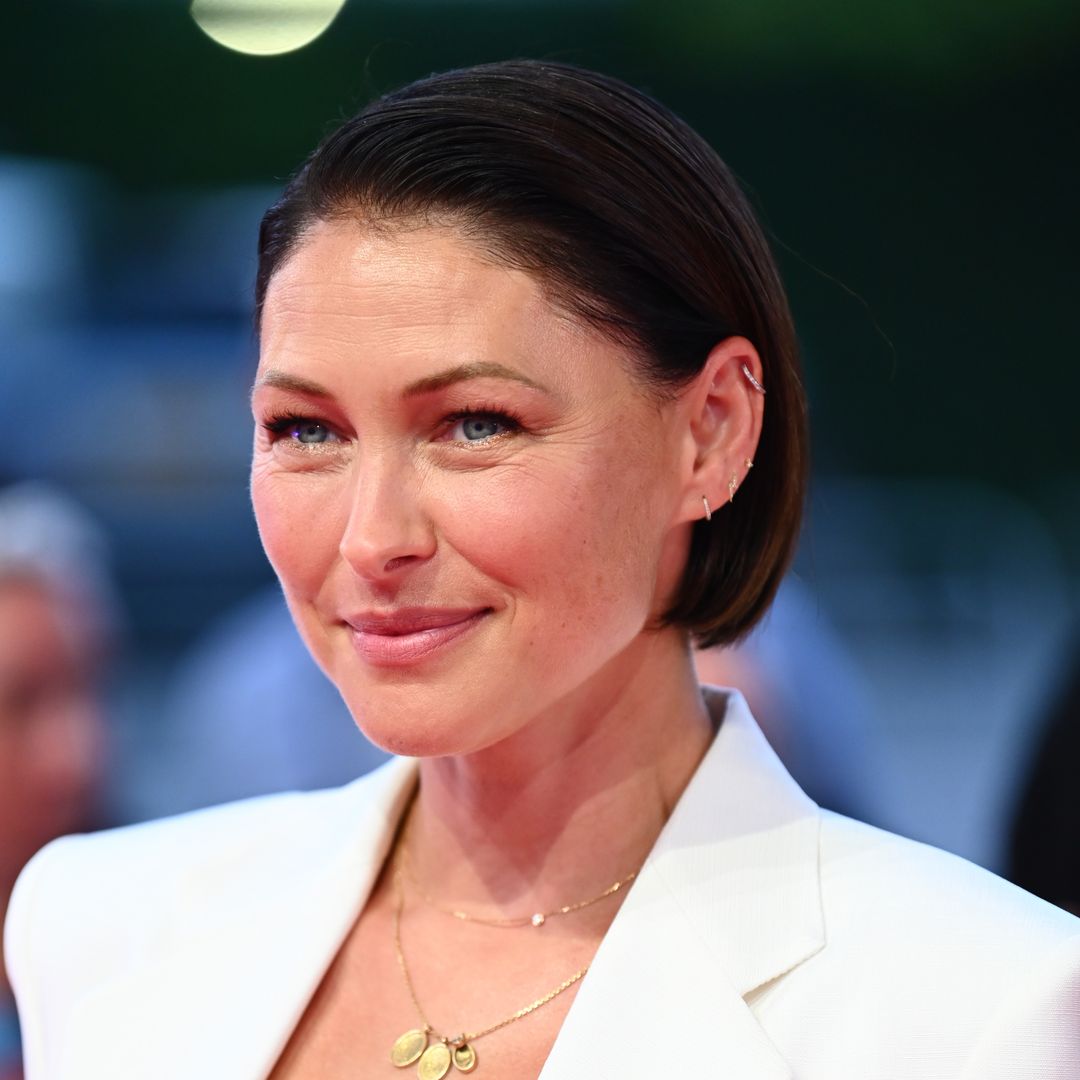
It is no secret that women over 50 face a continuous barrage of messages about how they should look, act, and age. Between the endless marketing of anti-ageing products and the flawless, edited images dominating social media, the cultural expectation is clear: women are supposed to "age gracefully" with added help.
That is exactly why Jodie Foster’s recent interview with The Telegraph is getting so much attention.
While promoting her new movie A Private Life, the 63-year-old Oscar winner spoke candidly about her own experience with midlife. Choosing to bypass plastic surgery, Botox, and fillers, Jodie looks great, looks her age, and offers an incredibly grounded perspective on the emotional shifts that happen as the decades pass. Her insights on the anxiety of her 50s, and the sudden sense of freedom that arrived in her 60s, are hitting home with women everywhere.
 © Ron Galella Collection via Getty Images, Corbis via Getty Images
The Pressure and "Not-Enough-ness" of the 50s
While popular culture often frames the 50s as a time of peak confidence, the day-to-day reality can be much more complicated. For many women, it is a decade marked by major life transitions, career shifts, menopause, and a strange sense of displacement caused by a society obsessed with youth.
Jodie addressed this directly when reflecting on her own experience:
"I feel very lucky. I don’t know what happened – my 50s were tough, because society gives you these weird thought processes about how you’re supposed to compete with people half your age, and compete with an image you had of yourself when you were in your 20s. The 50s were hard for me. I felt like it was hormonal, I was just filled with anxiety and not-enough-ness."
This feeling of "not-enough-ness" is something millions of midlife women know all too well. It is the mental exhaustion of trying to match the energy and appearance of a twenty-something while simultaneously letting go of your younger self. Hearing a high-profile woman admit that she felt that same anxiety - and linking it plainly to hormonal changes - is a reassuring reminder that these struggles are a normal response to a difficult cultural environment, not a personal failure.
 © Getty Images
The Turning Point at 60
Fortunately, Jodie’s story doesn't end with the stress of midlife. For her, turning 60 brought a welcome sense of relief and a complete shedding of those societal expectations.
"And then something happened when I turned 60. I felt, ‘Oh wow, I don’t care.’ I think my work is better than it’s ever been, and I’m happier at work, and it’s also to do with recognising it’s other people’s time, and being able to step back and figure out how to help people tell stories that hadn’t been heard before."
There is an enormous amount of freedom in those five words: "Oh wow, I don't care."
Reaching your 60s isn’t about giving up; it’s about choosing not to play a game where the rules are rigged against you. When you stop trying to recreate the past, you suddenly have the energy to enjoy the present.
As Jodie points out, letting go of the need to constantly prove yourself can actually make your world bigger. True fulfillment in this chapter of life often comes from shifting focus away from direct competition and toward mentoring, creating, and supporting others.
 © Getty Images
Changing the Narrative on Ageing
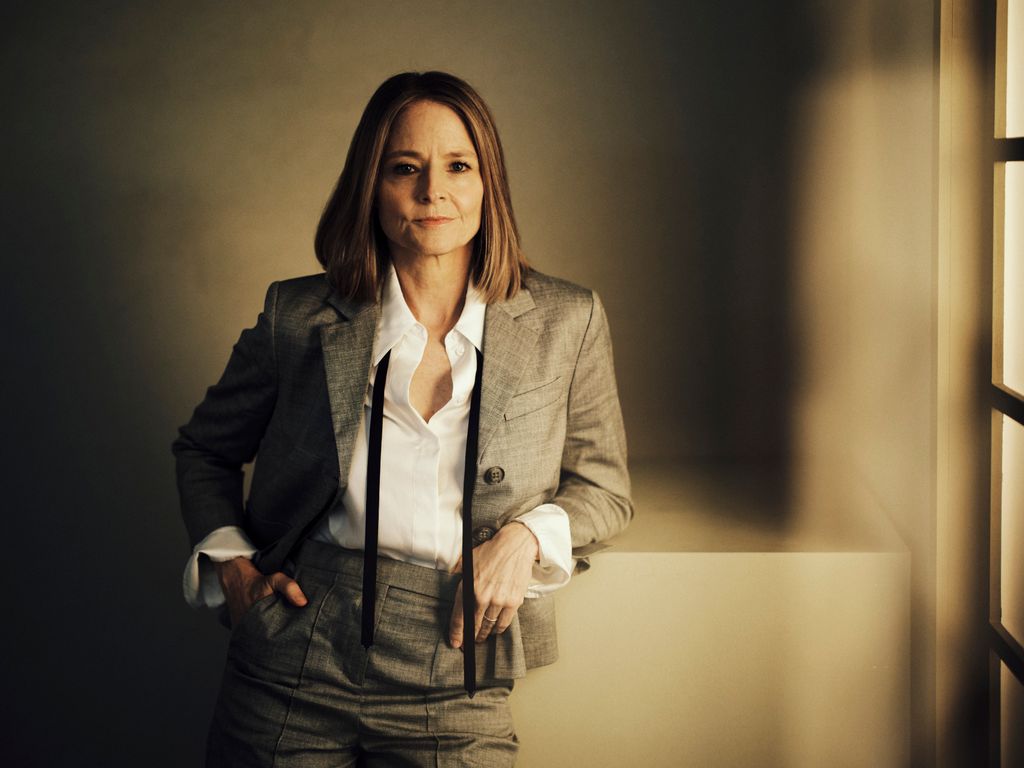
Jodie’s choice to age naturally is a powerful statement in Hollywood. By allowing her face to reflect her actual life story, she challenges the outdated notion that an older woman's appearance is a problem that needs fixing.
To any woman currently sorting through the challenges of her 50s: take heart. The anxiety and the hormonal shifts are real, but Jodie's journey suggests that a peaceful, satisfying, and lighter chapter is waiting just ahead.