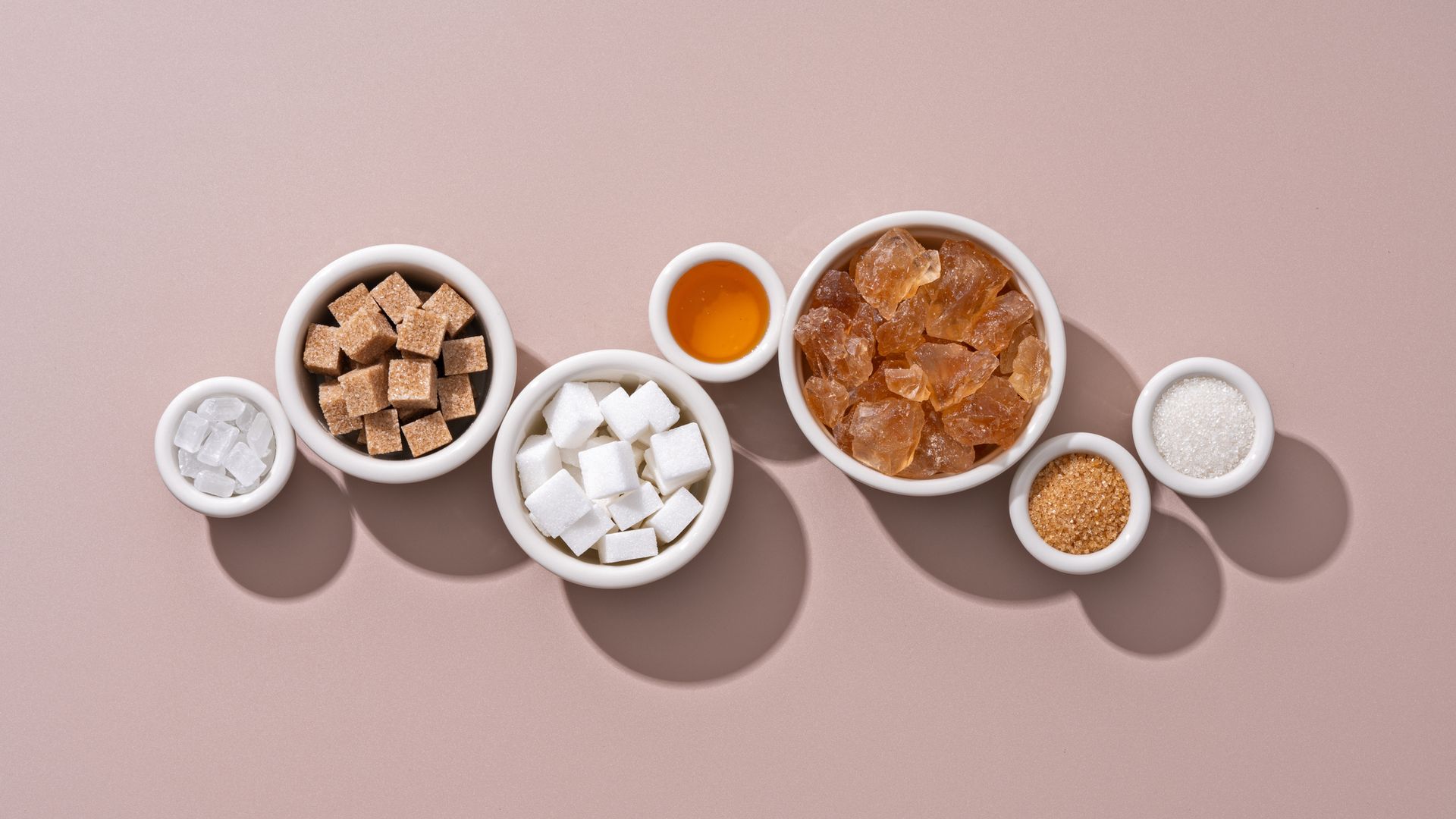

For decades, artificial and low-calorie sweeteners were positioned as a smarter alternative to sugar as a way to add sweetness to food and drink without the calories or blood sugar spikes. Products like aspartame and sucralose have found their way into everything from diet fizzy drinks to yoghurts, but over time their health credentials have been called into question.
Emerging research has raised questions about the long-term effects of regular sweetener consumption, including potential impacts on gut health, appetite regulation, and metabolic function. Meanwhile, a wider shift away from ultra-processed foods towards whole, minimally processed foods has led many people to reconsider what they're actually putting in their bodies. The result is a renewed interest in alternatives to sweeteners that offer natural sweetness along with some added nutritional benefits that synthetically-derived sweeteners lack.
I'm a health and nutrition coach and author of How to Understand and Balance Your Hormones, and these are five natural alternatives to sweeteners I would recommend trying if you want to steer clear of artificial products. These should still be consumed in moderation, just like any other sweetener, but can be worth a try for baking or adding into drinks and meals when you're trying to cut down on sugar and sweeteners.
1/5
 © Getty Images
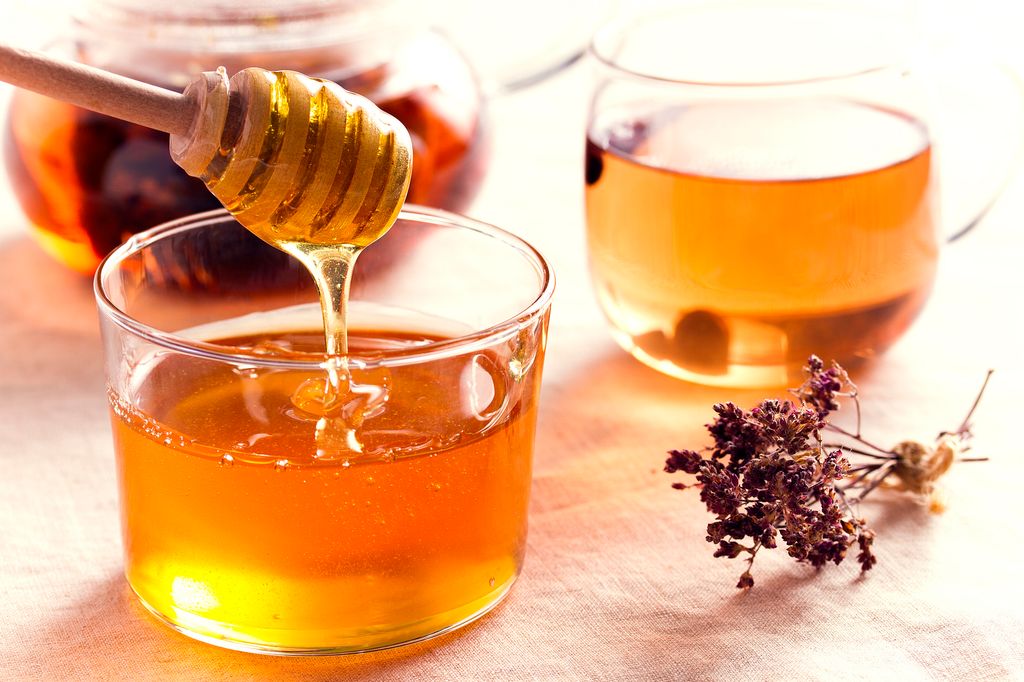
Raw honey contains trace amounts of vitamins and minerals
Raw Honey
Unlike refined sugar or artificial sweeteners, raw honey contains trace amounts of vitamins, minerals, and antioxidants. It has a lower glycemic index than white sugar, meaning it causes a more gradual rise in blood sugar. Other benefits to raw honey include its potential antimicrobial and anti-inflammatory properties, though it remains calorie-dense and is best used in moderation.
2/5
 © Getty Images
Try pure maple syrup as an alternative to sugar or sweeteners
Maple Syrup
Pure maple syrup contains small amounts of manganese, zinc, and antioxidants that are not found in artificial sweeteners. It has a rich, complex flavour that means people often use less of it. Some prefer it because it's minimally processed, which makes it feel like a much more natural choice compared to chemically derived sweeteners. When you're shopping, be careful to only buy pure maple syrup, as a lot of cheaper products are maple-flavoured syrup, which is a processed blend of corn syrup, sugar, and artificial flavouring, so it doesn't offer the same health properties.
3/5
 © Getty Images
Dates are naturally sweet and versatile
Medjool Dates or Date Paste
Dates bring natural sweetness alongside fibre, potassium, and magnesium. The fibre content slows sugar absorption, softening the blood sugar spike. They are really versatile and work well blended into smoothies, baked goods, or energy balls, or even mashed down and frozen into date bark. Many people choose to incorporate dates into their diet because they're a whole food, meaning the sweetness comes with genuine nutritional value rather than being a synthetic compound.
4/5
 © Getty Images
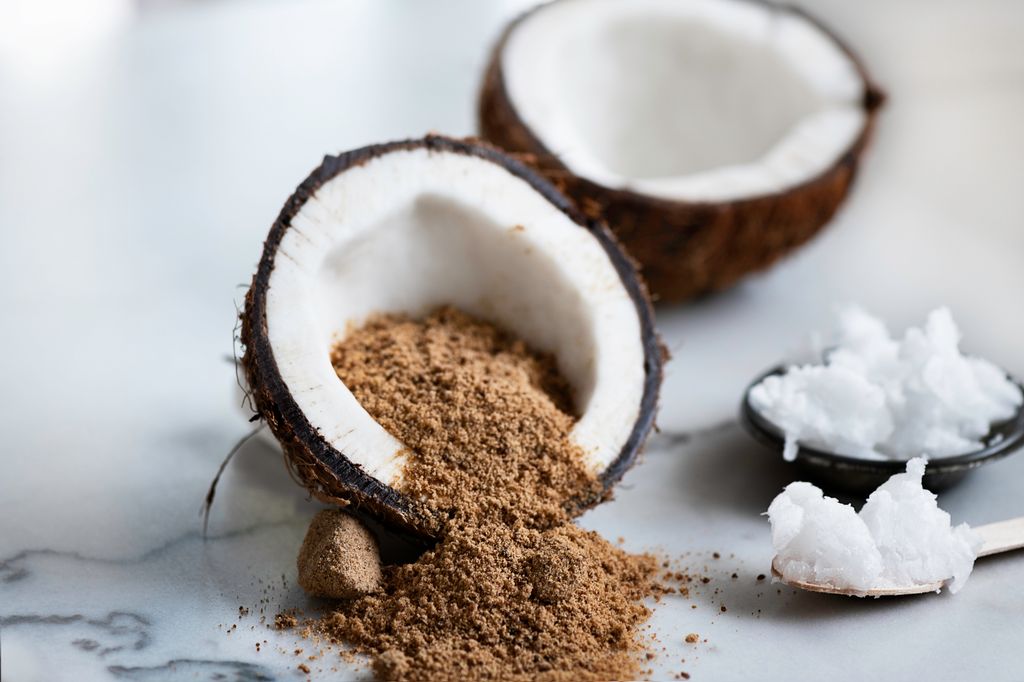
Coconut sugar has a lower glycaemic index than white sugar
Coconut Sugar
Made from the sap of coconut palms, coconut sugar retains small amounts of nutrients like iron, zinc, and inulin, a prebiotic fibre that may support gut health. It has a slightly lower glycaemic index than white sugar and a rich, caramel-like flavour. Another benefit is that coconut sugar behaves similarly to regular sugar in recipes, making it an easy swap while feeling like a less processed product.
5/5
 © Getty Images
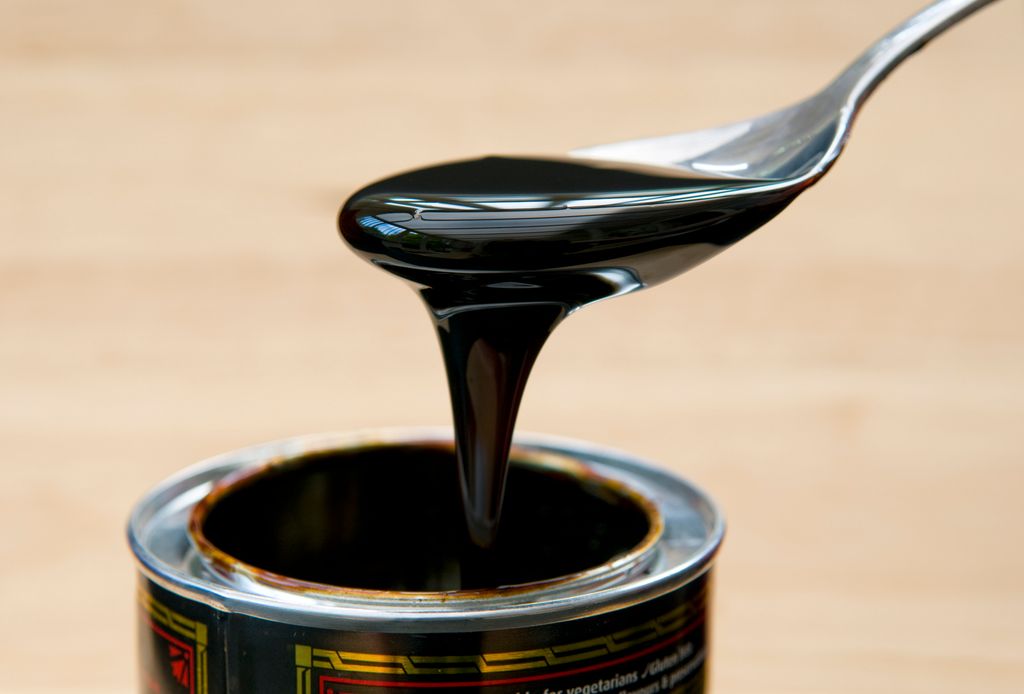
Blackstrap molasses are sweet and a good source of iron
Blackstrap Molasses
This is the thick byproduct of the sugar refining process, and ironically it retains much of what gets stripped out of white sugar - iron, calcium, magnesium, and potassium. It has a robust, slightly bitter flavour, so it is typically used in smaller amounts in baking or stirred into warm drinks. People with iron deficiency in particular sometimes turn to it as a way to add a nutritional boost alongside sweetness.


