

We all know that looking after our health is a priority, but one "silent" condition is on the rise: fatty liver disease.
While our modern lifestyles and busy schedules can sometimes lead to poor eating habits, there are simple ways to lower your risk. According to the experts, one particular antioxidant plant is a total game-changer for liver health.
What is fatty liver? The lifestyle factors you need to know
First off, what factors increase the risk of non-alcoholic fatty liver disease (NAFLD)? That is, the type of ailment not caused by alcohol consumption.
NAFLD is often linked to lifestyle and genetics, with key factors including:
- Being overweight or obese, particularly if you carry weight around the abdomen.
- Type 2 Diabetes (T2D) or insulin resistance.
- Metabolic syndrome, which includes high blood pressure (hypertension), high cholesterol and elevated triglycerides.
- A sedentary lifestyle.
 © Getty
Prevention and treatment: Can you 'reverse' liver problems through diet and exercise?
At present, there is no specific medication to treat the condition, so the only way to "reverse" the disease is through lifestyle changes.
“Treatment is based on the Mediterranean diet and physical exercise - we treat the underlying risk factors, such as diabetes or high cholesterol,” explains Dr Rocío Aller de la Fuente, scientific director of the Institute of Endocrinology and Nutrition of Valladolid (IENVA) and member of the Spanish Association for the Study of the Liver.
To protect and improve liver health, experts recommend:
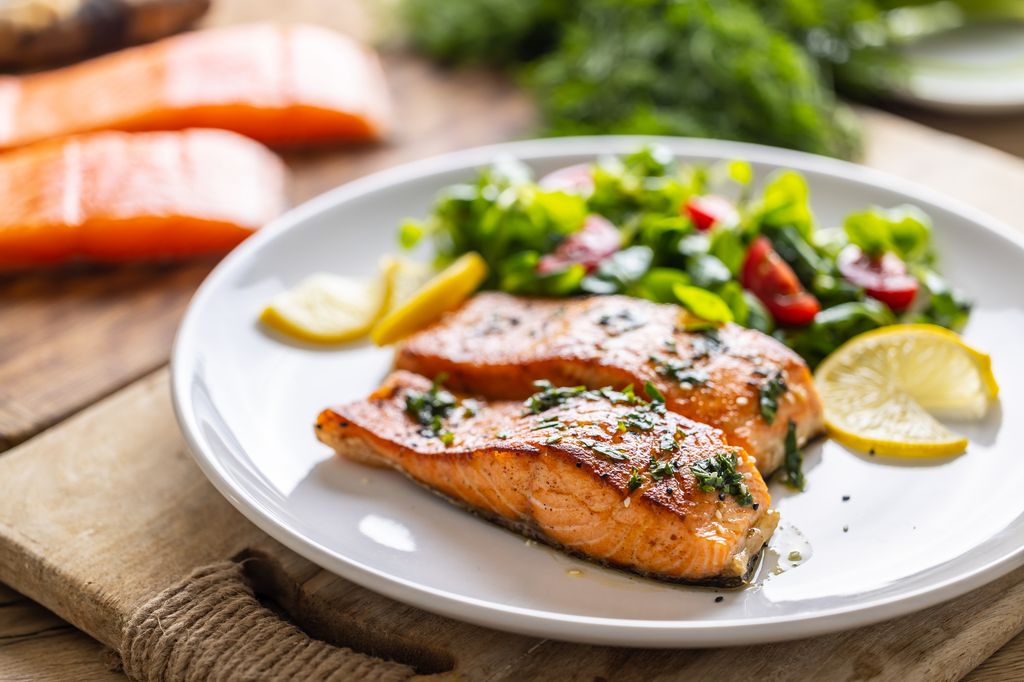
- Following a Mediterranean-style diet, rich in fruit, vegetables, pulses, oily fish, extra virgin olive oil and wholegrain cereals.
- Cutting out simple sugars, sugary drinks and saturated fats, as these encourage fat to build up in the liver.
- Exercising regularly, combining aerobic activity (walking, running, swimming) with strength training.
- Losing weight, as shedding at least 10% of your body weight can be highly beneficial.
The specialist also highlights the importance of preventing childhood obesity, noting that 30% of children currently carry excess weight.
Why Milk Thistle is an ally for liver health
While a healthy lifestyle is the best way to look after your liver, nature can also lend a hand. Pharmaceutical specialist Ricardo Leite explains: “For thousands of years, plants have been used to support liver health. Today, we have scientific evidence regarding the bioactive compounds in these plants and their effectiveness in supporting the liver's health while undergoing fat reduction."
 © South China Morning Post via Get
One of the most effective natural remedies is milk thistle (Silybum marianum). Native to Europe and Asia, it has been used since ancient times for its liver-boosting properties. Its main active compound is silymarin, a flavonoid with potent antioxidant and anti-inflammatory effects found primarily in the seeds.
How does milk thistle help?
Fatty liver (hepatic steatosis) occurs when excess fat builds up in liver cells. Silymarin helps combat this in several ways:
- Antioxidant action: It reduces oxidative stress and inflammation, preventing cell damage, helping protect liver cells from oxidative damage caused by toxins.
- Improved fat metabolism: It may help reduce the inflammatory response associated with fat buildup, slowing the progression of the disease.
- Liver regeneration: Some studies show it may have potential to support the liver's natural regenerative processes.
 © Getty Images
4 more natural supplements to support a healthy liver
Beyond milk thistle, other natural compounds may aid regeneration - and many of these ingredients can be found in combination in food supplements.
- Artichoke: Extract from artichokes helps protect the liver and encourages bile secretion, which aids digestion and helps manage high cholesterol.
- Desmodium: A plant with antiviral and anti-inflammatory properties that protects the liver from free radicals.
- Choline: An essential nutrient that aids fat metabolism, preventing fat from accumulating in the liver.
- Vitamin C: Protects cells from oxidative stress and helps reduce the fatigue often associated with liver issues.
About the experts:
- Dr Rocío Aller de la Fuente is a leading specialist in Endocrinology and Nutrition, serving as a professor at the University of Valladolid and a dedicated researcher focused on the intersection of metabolic health and liver disease.
- Ricardo Leite is a pharmaceutical specialist who leverages his deep clinical knowledge to bridge the gap between complex pharmacology and accessible, patient-centered wellness strategies.


