
All eyes are on David Attenborough this week, as the beloved broadcaster turns 100. While we'll of course raise a glass to the natural historian on his big day, his centenary has caused our minds to wander to the health and wellness trend of longevity.
Put simply, longevity is about living well for longer, not necessarily for a higher number of years, with our recent interest in longevity an antidote to the sobering fact that despite the overall lifespan in the UK being approximately 79 years for men and 83 years for women, a recent report found that we are now spending fewer years in good health with healthy life expectancy falling by about two years in the last decade, with just 77% of men's lives, and 73% of women's lives spent in good health.
As with many health buzzwords before it, longevity has been heavily commodified in recent years, with supplements, aesthetic treatments and even skincare promising longevity. Add to that biohacking practices designed to help support a healthy life, and it all feels rather intimidating.
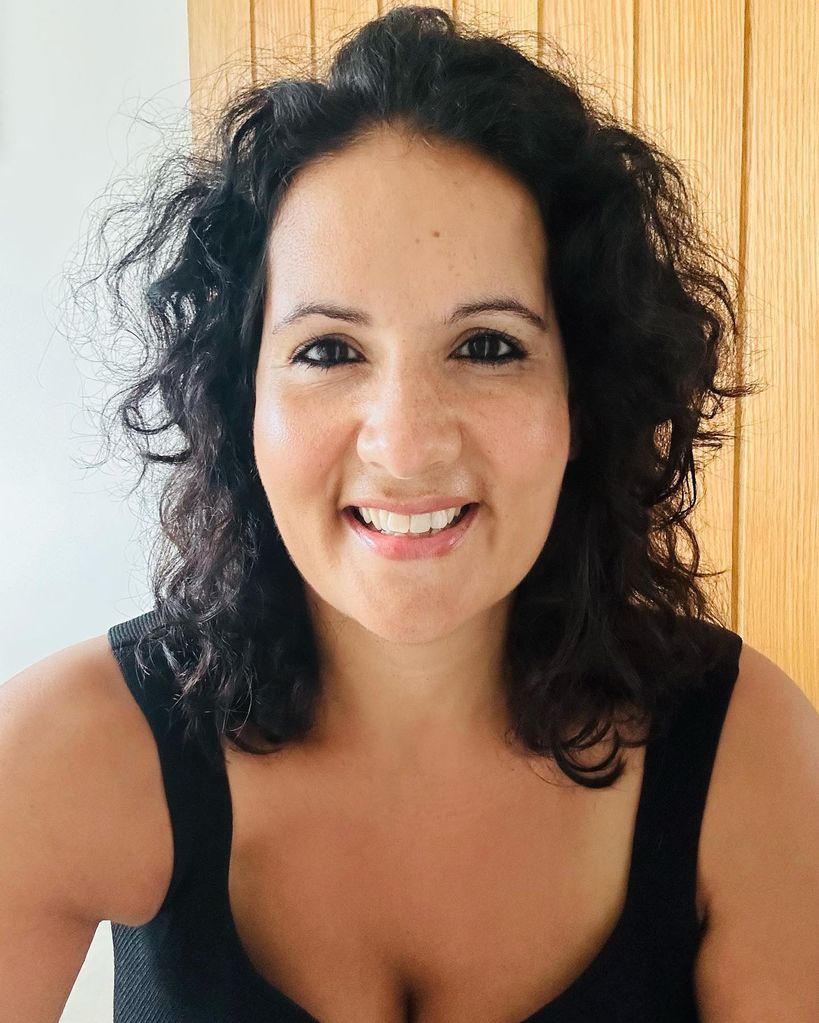
"Not only can all of this information be confusing, but it can also be intimidating, making us feel that it is all too overwhelming to follow, and too expensive to engage with and too alien when compared with our daily lives," says wellness expert Dr. Radha Modgil.
 © Instagram
"Some of this noise is also full of misinformation and a lot does not focus on how to live healthily for longer," Dr. Radha continues. "Longevity should be about feeling good, being able to do the things you want to do, and about being well in body, mind and soul."
Here, Dr. Radha shares seven science-backed, simple strategies that you can weave into your daily life – dubbed 'soft longevity' that will not only help you live longer but also live in good health.
1. Purpose
Having a sense of what your 'why' can mean you live longer and healthier. One study has shown that having clear goals that mean something to you might reduce your risk of dying by up to 46%.
There is also some research which suggests purpose can help our immune systems and reduce cognitive decline. Your purpose doesn't need to be something huge or dramatic; it can be small and simple; follow your passion and what makes you excited for life, or what you want to change, or what makes you wake up in the morning and get up out of bed – and follow that.
2. Connect
One research study showed that the amount and quality of social connection we have is associated with living longer, and well.
The more frequently we socialise, the longer we are likely to live. Reflect on how often you see your friends, family and acquaintances; do you schedule and plan time and space, do you let it drop if you are tired or stressed, and do you do an activity with them that actually allows you to connect and feel seen, heard and valued? Make it a priority.
 © Getty Images
3. Optimism
Scientific studies have shown that having a more optimistic attitude may be linked to living longer and having better emotional heath, as well as better life satisfaction.
It can be hard sometimes, given how challenging life is, to be optimistic, but some simple strategies you could try might be thinking of three things every day that you are grateful for, noticing the things that went right and trying a positive 'what if' statement rather than a negative one. We can use our imaginations for good as well as to scare ourselves with.
 © Getty Images
4. Nutrition – and use your water bottle!
"Scientific studies have shown that having a 'Mediterranean' style diet with lots of vegetables, nuts, fruits, whole grains and fish, minimising red meat and processed meat were 23% less likely to die from any cause.
It is also important to stay hydrated. A study of more than 11,000 participants who were well hydrated showed that people who are hydrated are less likely to develop chronic conditions such as lung or heart disease.
 © Getty Images
Make small changes to what you’re eating, use easy healthy snacks such as carrots or nuts, take that water bottle with you and use it.
5. Move more
Most of us sit for more than nine hours a day, and that means we are at higher risk of developing diabetes, heart disease and dying early.
Moving more helps us live longer and healthier. Research has shown that combining strength and aerobic training within your exercise is optimum for health.
You can weave this into your daily life such as taking a stretch break, having walking meetings, taking the stairs, parking further away from the shops, biking to work or walking your dog. It all makes a difference. Moving more and exercising in nature or outside can be even better for our mental and physical health and add extra layers of connectedness, belonging and stress reduction.
 © Getty Images
6. Don't smoke
Smoking shortens how long we live, as well as how healthily we live; it can increase the risk of cancer, cause lung and heart disease and impact our skin health as well as making us look older before our time
7. Sleep
We don’t often frame sleep as something which is important; after all, we just lie down, and nothing seems to happen, but that is far from the truth. Research has shown that getting enough sleep and good quality sleep may be key to living longer and living healthily.
Chronic lack of sleep can increase our risk of chronic health conditions such as heart disease and affect our immune system. If you are not getting between seven and nine hours of good sleep per night, change up what you are doing; make your bedroom dark and peaceful enough, remove digital devices, and set up a bedtime routine.
Living well, for longer, does not have to be complicated or expensive; a lot of these steps are present in your life right now – all we have to do is to notice them, prioritise them and use them.e


