
While it sometimes seems impossible, slowing down our lives is within reach. If you're looking to reclaim a sense of peace after a long, stressful day, psychologist and author of Slow Living: Embracing Nature's Pace, Samar Cajal offers a wealth of inspiration, helping us tune out the noise and transform our homes into genuine sanctuaries of calm.
The business leader, coach and creative director explores how the materials, light and objects that surround us can help us live with greater intention. Ultimately, it is not just about décor; it is about a way of being.
1/11
 © Getty Images
Expert Samar Cajal shares how to reclaim your peace by turning your home into a sanctuary
What is 'Slow Living' and why your brain needs it
Our lives have become so fast-paced that it's easy to feel completely overwhelmed. Samar believes that 'slow living' is the pursuit of spaces that allow us to live more calmly, in harmony with ourselves and our surroundings.
It is about creating environments that aren't just beautiful, but which actively foster a sense of peace, presence, and well-being.
Ultimately, it’s about designing a home that invites us to slow down, savour every moment and live with greater intention.
“We've become so used to the constant rush that we often don't realise the toll it's taking until we feel utterly exhausted and burnt out," says the psychologist and founder of Madrid-based floral design studio, Sakura Atelier.
In this context, our homes should be a sanctuary - a place to breathe, switch off from the outside noise and feel truly at ease. Creating a space that aligns with our lifestyle and our needs helps us to reclaim our balance. A home that radiates serenity helps us recharge, stay present and genuinely enjoy the time we spend there.
2/11
 © Getty Images
Swap cool bulbs for warm tones to create an instantly inviting atmosphere
Expert tips to create a calmer home
The first step Samar recommends for fostering a calmer, more harmonious atmosphere at home is to eliminate visual noise. "We often accumulate objects out of habit, surrounding ourselves with things we neither use nor particularly enjoy. A conscious clear-out - keeping only what serves a purpose or brings us genuine joy - can make a world of difference," she explains.
Once the space is cleared, it is essential to focus on materials and lighting. Specifically, Samar suggests:
Materials: Wood, linen and other natural textiles, along with ceramics, provide texture and a tangible connection to nature. Using these materials in neutral, soft tones creates an immediate sense of calm.
Lighting: Swap cold, white bulbs for warmer tones. Warm lighting completely transforms a room, making it feel much more cosy and inviting. Furthermore, natural light should be maximised wherever possible.
3/11
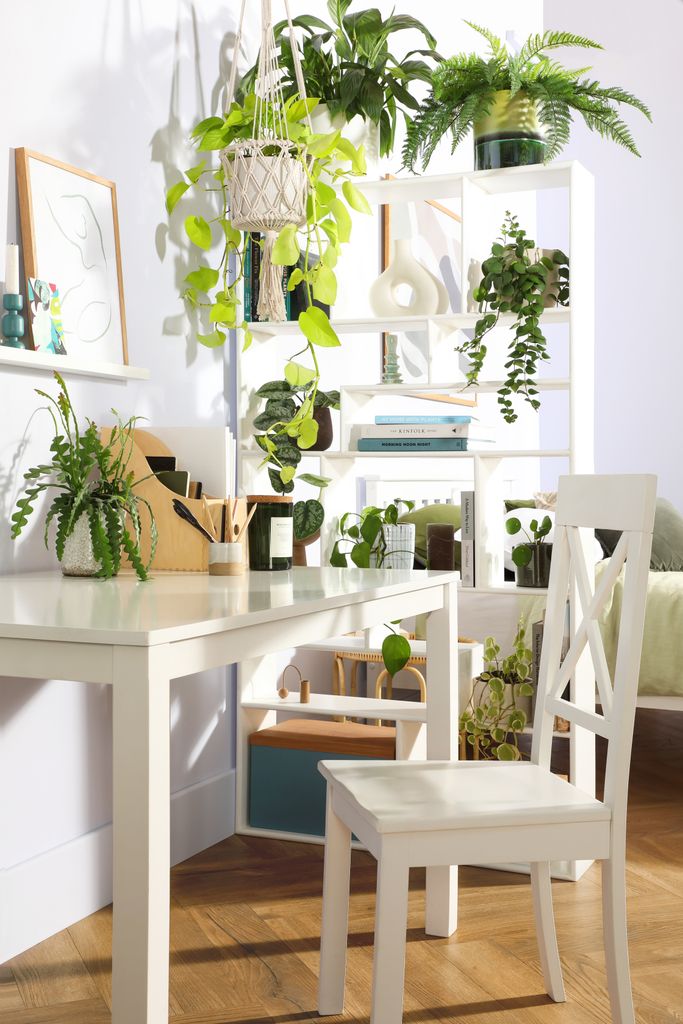 © Furniture and Choice
Introduce plants and organic materials to lower stress
Biophilic design: How to bring the outdoors inside for instant de-stressing
Samar advocates for biophilic design: the practice of introducing elements that reconnect us with the natural world - be it a single houseplant, a vase of fresh flowers, or raw, organic materials. While these may seem like subtle touches, they have a profound impact on how we perceive our surroundings.
Nature has an immediate, soothing effect on our well-being; it is scientifically proven to lower stress levels and help us feel more balanced.
Samar suggests several ways to weave these elements into the fabric of our homes: plants, natural materials, soft colours, and natural light. It is also important to open up to nature beyond objects: taking advantage of sunlight, allowing air to circulate, observing the changing of the seasons through the window. All this helps us feel more in tune with the outside environment.
"The key is to make our house remind us that there is a calmer and more organic rhythm that we can tap into at any moment," explains the psychologist and writer.
Are you surrounded by things you don't really use, or don't particularly enjoy? It's time for a "conscious clear-out" - keep only the things you love or that serve a specific purpose
4/11
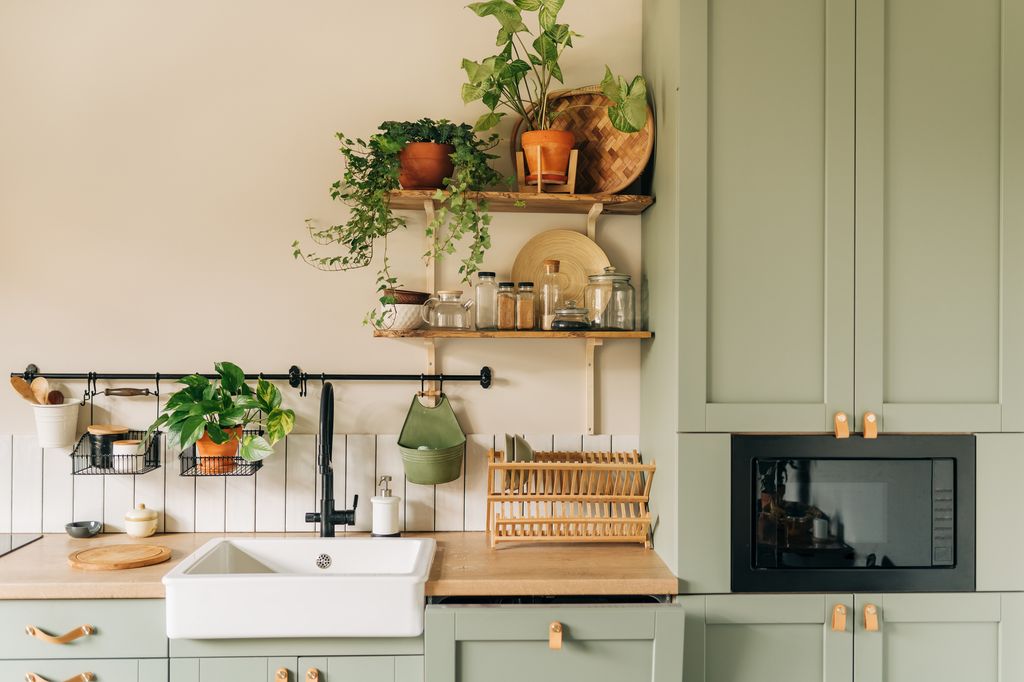 © Getty Images
Ensure each room works for your daily life and has a natural, easy flow
Functional aesthetics: Why your furniture might be causing you stress
Finding the right balance between aesthetics and functionality comes down to designing with our daily lives in mind. For Samar, there is little point in a beautiful home if it is cluttered with uncomfortable furniture, unused items or pieces that are simply too high-maintenance.
When deciding which pieces to keep, we should ask ourselves: Is it comfortable? Does it encourage rest? Does the room have a natural flow?
When we ensure that everything we own serves a purpose and contributes to a sense of visual harmony, we create a home where calm feels effortless rather than forced.
Small changes can also make a world of difference: having a dedicated place for everything, avoiding bulky furniture that blocks walkways, and choosing materials that age gracefully and are easy to look after.
5/11
 © Getty Images
Embrace the beauty of imperfection and focus on authenticity
Minimalism vs Wabi-Sabi: Finding a style that feels like home
Is minimalism always the best approach, or are there other ways to simplify our homes without fully committing to such a sparse aesthetic?
In Samar’s view, "Minimalism is a wonderful tool, but it isn't the only route to a simpler life. It's often associated with extremely neutral and almost empty spaces, which isn't to everyone's taste.
"Simplifying isn’t about living with nothing; it’s about living without excess. We can have a home filled with colour and character, provided every piece has a purpose and brings us something positive.
"There are other philosophies to explore, such as Wabi-Sabi, which finds beauty in imperfection and authenticity, or the organic style, which layers natural elements and textures to create a truly lived-in, cosy feel."
Ultimately, the goal is to strike a balance where our home offers a sense of calm without ever feeling cold or impersonal.
6/11
 © Getty Images
Layer linen, wool and wood to add depth
The best textures and materials for a relaxing space
Samar is a firm believer that the materials we choose profoundly influence how we experience a space. To create a more serene environment, she highlights several key elements:
Wood: Provides a sense of stability and a direct, grounding connection to nature.
Textiles: Linen and cotton offer a feeling of freshness and lightness. For added warmth and comfort, wool and velvet are ideal choices for throws and rugs.
Ceramics and Stone: These introduce tactile texture and an artisanal touch that adds depth to any room.
Natural Fibres: Elements such as rattan and wicker lend a relaxed, organic air - perfect for spaces designed for decompressing.
Furthermore, matte finishes and textured surfaces help a room feel more organic and less rigid, fostering a balanced and cosy atmosphere.
It is also worth noting that a monochromatic palette can feel cold if it lacks a variety of textures. A room with smooth walls and wooden furniture truly comes to life when layered with a chunky wool throw, linen cushions and a hand-woven rug.
These contrasts between soft, rough and matte surfaces make a space feel far more inviting.
7/11
 © Getty Images
Handmade pieces act as symbols of care, reminding us to live more mindfully
The return of artisanal vibes
There is a growing appreciation for pieces with a sense of history. In a world dominated by mass-produced goods, artisanal work represents authenticity, quality and a genuine connection to the creative process.
If we pause for a moment, we can feel a thread connecting us to the ancient traditions of craftsmanship that, like nature itself, have stood the test of time.
"Having a handmade piece in the home is a symbol of care and dedication," Samar explains. "It invites us to value the artisan's craft and reminds us of the importance of living mindfully."
8/11
 © Getty Images
Motivational prints are fine in moderation - but be sure to choose wall art that authentically connects with your personal journey
The truth about motivational prints: Emotional anchors or 'toxic positivity'?
Wall décor is frequently used as a reminder to practise gratitude, often in the form of prints or framed quotes featuring positive affirmations. But do they actually work, or can they feel a bit forced?
"As a psychologist, I believe that décor can be a powerful tool for reinforcing gratitude and emotional well-being," says Samar. "Prints with inspiring phrases can serve a vital purpose if they act as emotional anchors, helping us to recalibrate and remember what we truly value during difficult moments.
"That said, going overboard with 'positivity' can sometimes backfire; it can cause a sense of unease if we feel we aren't living up to those idealised sentiments."
Ultimately, the key is to choose pieces that speak to us authentically and connect us with our own personal journey, rather than surrounding ourselves with rigid expectations of how we ought to feel.
In your home, try to find a permanent spot - no matter how small - that allows you to slow down and enjoy the moment
9/11
 © Getty Images
Simple acts, like lighting a candle or tea-making, help signal the shift from rush to rest
A 'mental reset' through small details
The author suggests that simple home rituals are the secret to slowing down. In her view, the key isn't making sweeping changes overnight, but finding small pockets of peace throughout your day-to-day.
Something as simple as lighting a candle at the end of the day can become a ritual that signals the shift from the afternoon rush to a restful evening - a chance to take a deep breath and let the mind settle.
Taking the time to make a cup of tea or coffee, rather than rushing through it, invites us to stay in the moment - to notice the aromas, the flavours, and the warmth of the mug in our hands.
Similarly, jotting down a few lines in a journal before bed helps us bookend the day with intention, whether that's offloading our worries or simply noting something that made us smile.
We can also foster a calmer atmosphere by keeping mobile phones out of the bedroom and choosing to wake up to natural light rather than a blaring alarm.
These small acts create moments of calm that, while brief, have a lasting impact on our well-being.
10/11
 © Getty Images
No matter how small, a dedicated spot for reading or hobbies can become a much-needed oasis
How to create a 'calm nook' in any room of the house
When it comes to creating your favourite corner of your home, we all find calm in different ways. The key is identifying what brings you peace and carving out a dedicated spot that invites you to settle into that feeling.
For some, tranquility is an intimate reading nook - perhaps an armchair nestled beside a well-stocked bookshelf - while for others, the perfect sanctuary is the kitchen, where the simple rhythm of chopping vegetables and prepping a home-cooked meal becomes almost a meditation.
When it comes to essential spaces, the bedroom is paramount for rest and relaxation. Keeping it screen-free and clear of clutter helps create a serene atmosphere. Soft bedding, dim lighting and a subtle scent like lavender or cedarwood can turn bedtime into a truly restorative experience.
A comfortable chair, a warm lamp and a cosy throw can transform any corner into a sanctuary for writing, crafting, or simply disconnecting.
For those who find peace in painting or pottery, having an organised workspace with materials ready to hand makes it much easier to lose yourself in the process.
The bathroom is another ideal place to create a private sanctuary. A long soak in a hot bath with candles, essential oils, and soft music is the perfect ritual for washing away the day's stress.
Scents like eucalyptus or sandalwood help quiet the mind, while "little luxuries" like fluffy towels or a soft bathmat enhance that sense of well-being.
Even if you don't have a bath, a mindful shower with aromatic soap and a few deep breaths can be just as effective for slowing down.
"Whatever it is that helps you switch off, the most important thing is to find a spot within your home that allows you to slow down and escape the daily grind," advises Samar.
11/11
 © Getty Images
Stay in tune with nature's rhythm by updating your textiles and plants as the seasons change
From spring to winter: Mastering seasonal décor
To truly connect with nature at home, it's worth reflecting the changing seasons in your décor.
Samar explains that each time of year is an invitation to refresh our living spaces with small touches that mirror the natural world and help us stay in tune with its rhythm.
- Spring: With the arrival of spring, the home should feel fresh and renewed. This is the time to bring in seasonal blooms in ceramic vases, swap heavy fabrics for lighter ones like linen or cotton, and play with a palette of soft pastels that reflect nature's rebirth.
- Summer: Warmer temperatures are all about throwing open the windows to let the light flood in, creating a relaxed atmosphere that suggests a sea breeze or the peace of the countryside. Natural fibres like rattan or wicker in rugs and baskets add a sense of coolness, while simple touches like shells or smooth stones bring a light, airy feel to a room.
- Autumn: This transitional season encourages us to hunker down as the temperature drops, with décor that provides warmth and comfort. Dried leaves in vases, candles in earthy or amber tones, and wicker baskets overflowing with soft blankets help to create a cosy atmosphere - perfect for enjoying a quiet moment as the nights draw in and the landscape turns to gold.
- Winter: When the days are short and the cold draws us indoors, warm and tactile materials take centre stage. Chunky wool throws on the sofa, flickering candles creating a soft, ambient light, and natural accents like dried branches or pinecones lend a rustic feel that evokes winter's stillness.
About the expert:
A psychologist, author and co-founder of Madrid's Sakura Atelier, Samar Cajal is a leading expert in 'slow living'.


