

Take a second to think: do you find yourself reaching for snacks the moment you feel stressed or overwhelmed? When we start using food to cope with our problems, we enter a cycle that pits the simple act of eating against our own body image.
This is a key theme explored by therapist and food anxiety specialist Miriam Salinas Gascón, who is sharing the expert-backed secrets to finally breaking free from diet culture.
How deep does the link between food and feelings go?
"Our relationship with food and our emotions starts from the very beginning - the moment a mother first offers the breast or the bottle.
"In that intimate moment, she isn't just providing nutrition; she's giving us love, security and a sense of belonging. This 'nutri-emotional' connection stays with us throughout our lives - it's a universal human experience."
 © Universal Images Group via Getty
Why does this relationship sometimes turn toxic?
"The relationship often unravels when we use food to quiet unexpressed emotions, or when we restrict what we eat just to feel like we're in control of our lives. Whether we are facing joys, sorrows, or life's many ups and downs, turning to food (or the lack of it) as a coping mechanism causes us to lose touch with our natural, intuitive eating instincts.
"This is where the long, exhausting journey of control begins. We try strict diets, which inevitably lead to a loss of control (bingeing). These restrictions never truly work; instead, we find ourselves trapped in an infernal circle: a cycle of dieting, followed by anxiety, then guilt - which leads us right back to the start of a brand-new diet."
How do our past experiences and childhood shape the way we eat today?
"Our upbringing and past experiences play a huge role in our relationship with food, largely by shaping the core beliefs we hold about our bodies. The messages we hear as children - common jibes like, 'If you eat all those sweets, you’ll end up the size of a house' - can stay with us for a lifetime. They plant seeds of fear about gaining weight or being 'unacceptable' and create an underlying anxiety that our bodies are somehow failing us.
"By the time someone reaches their 50s or 60s, their self-esteem is often in tatters because they find themselves gaining weight despite eating less and less"
"Ideally, we should be raising the next generation to see food without labels like 'good' or 'bad'. By taking the morality out of what's on the plate and teaching children about body diversity, we can help them understand that no two bodies are meant to be the same."
What are the red flags of an unhealthy relationship with food?
"Feeling guilty, anxious or completely obsessed with what you're eating - as well as restricting food or feeling terrified of eating in front of others - are all major red flags. We should also listen out for that constant inner critic in our heads, which dictates what we should or shouldn't eat or triggers a wave of guilt if we dare to miss a workout."
 © Getty Images
Realising there's a problem is often the hardest part, isn't it?
"It really is. Acknowledging a difficult relationship with food is incredibly tough because we've become so good at hiding or denying it. Diet culture is so deeply ingrained in our society that we’re constantly told a size zero body is the only way to be loved or successful.
"Diet culture sells us the lie that restriction equals health, but it completely ignores our mental well-being"
"Behind the scenes, there are massive industries - from pharmaceuticals to weight-loss surgeries - that rely on us remaining dependent on the numbers on the scales. They want us to pour all our energy into dieting rather than into living our lives with strength and purpose. Because of this, it's hard to see what healthy actually looks like.
"A truly healthy diet must nourish both the body and the mind. You can eat broccoli and chicken every single day, but if you're living in a kind of food prison, you aren't truly healthy."
Why is it a mistake to try to "eat our feelings"?
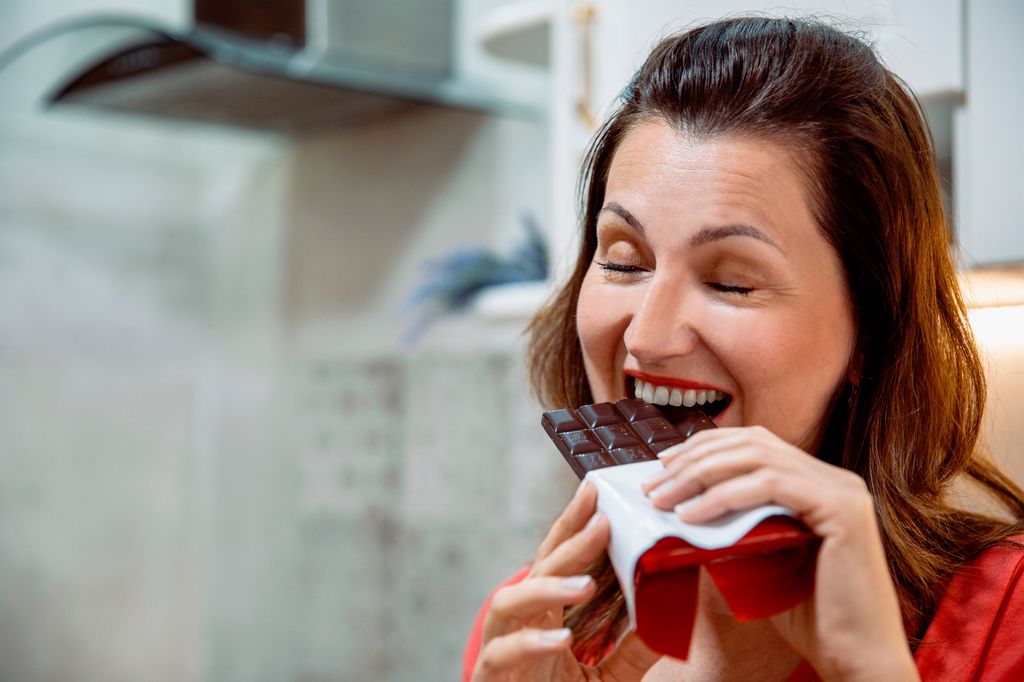
"Ultimately, using food to manage our problems is a mistake because food can't fix them. While a treat might have been a source of comfort when we were children, as adults, we have to shine a light on the root cause if we want to heal. Food might provide a momentary sense of calm, but it never gives us what we actually crave - which is often a connection to our true needs."
 © Getty Images
What would you say to a lifelong serial dieter?
"I would tell them that diet culture sells us the lie that restriction equals health, but it completely ignores our mental well-being. The truth is that weight-loss diets simply don't work; in fact, they usually backfire. They wreck our relationship with food and drown out our natural intuition and tastes.
"The real question to ask yourself is: What is your life actually hungry for? Once you find that answer, you can finally begin the journey of giving yourself what you truly need"
"From a physical standpoint, your metabolism actually slows down during severe restriction, because the body is taking in less fuel, it goes into survival mode and lowers its resting energy expenditure. By the time someone reaches their 50s or 60s, their self-esteem is often in tatters because they find themselves gaining weight despite eating less and less."
Is there actually more than one type of hunger?
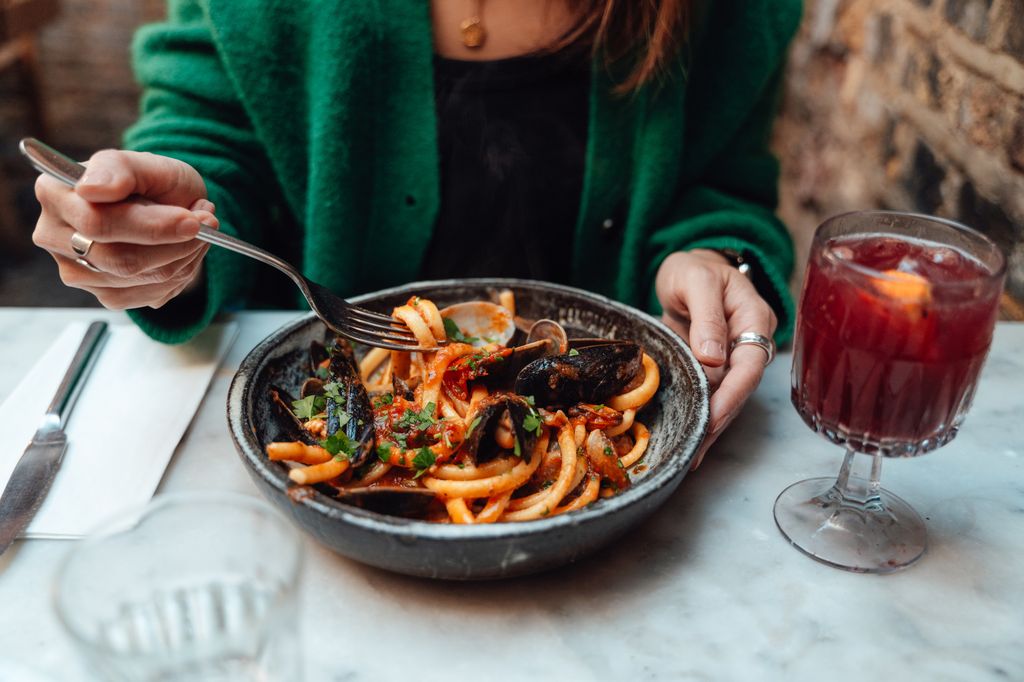
"Absolutely. Beyond the physical, there are several different 'hungers' we all experience. There is emotional hunger, which is really a deep-seated need to connect with and express our feelings. Then there's the hunger for joy - the simple desire to feel good and enjoy the moment.
"We also experience a hunger for meaning, where we're searching for a sense of purpose, as well as a hunger for love, for physical touch, and for a life that feels truly fulfilled. In reality, there are as many types of hunger as there are people on this planet.
"The real question to ask yourself is: What is your life actually hungry for? Once you find that answer, you can finally begin the journey of giving yourself what you truly need."
 © Getty Images
How can you tell the difference between physical hunger and emotional eating?
"By simply observing the way someone eats, you can often get a gut feeling for their mindset - whether they are being overly rigid and strict with themselves, or if they are flexible and relaxed. You can also sense whether they are being driven by anxiety or if they've simply lost themselves in comfort eating. Ultimately, the way we eat is a window into our character and our current emotional state.
"Our relationship with food can reveal a great deal about us, often reflecting unmet emotional needs, deep-seated insecurities, or old fears. If you find yourself struggling with food-related anxiety or caught in a cycle of heavy restriction, please don't be afraid to reach out for help.
Beyond the eating, there are several different 'hungers' we all experience; for example, hunger for joy, meaning, love or physical touch
"The way you eat now was likely the best survival mechanism you found to cope with difficult times during your childhood or teenage years. Instead of blaming the food, try to make peace with your anxiety. It may well have been your only companion during lonely moments, and deep down, it’s probably just trying to protect you."
Breaking the cycle
"Food can often feel like a sanctuary - a way to escape the pressures of life. But when we use it to mask our feelings, we fall into a vicious cycle that pulls us further away from who we really are.
"It's important to look at what's truly driving your eating habits. Are you eating because you're actually hungry, or because you're anxious? Are you restricting your food for genuine health reasons, or out of a fear of the scales? Answering these questions honestly is the first step toward understanding yourself and taking back the reins of your life."
- Physical Hunger: Felt as a hollow sensation in the stomach, a dip in energy levels, or general physical discomfort.
- Emotional Hunger: Tied to unexpressed emotions or a desperate need to feel in control.
How can we break a cycle of negative thoughts about food and weight?
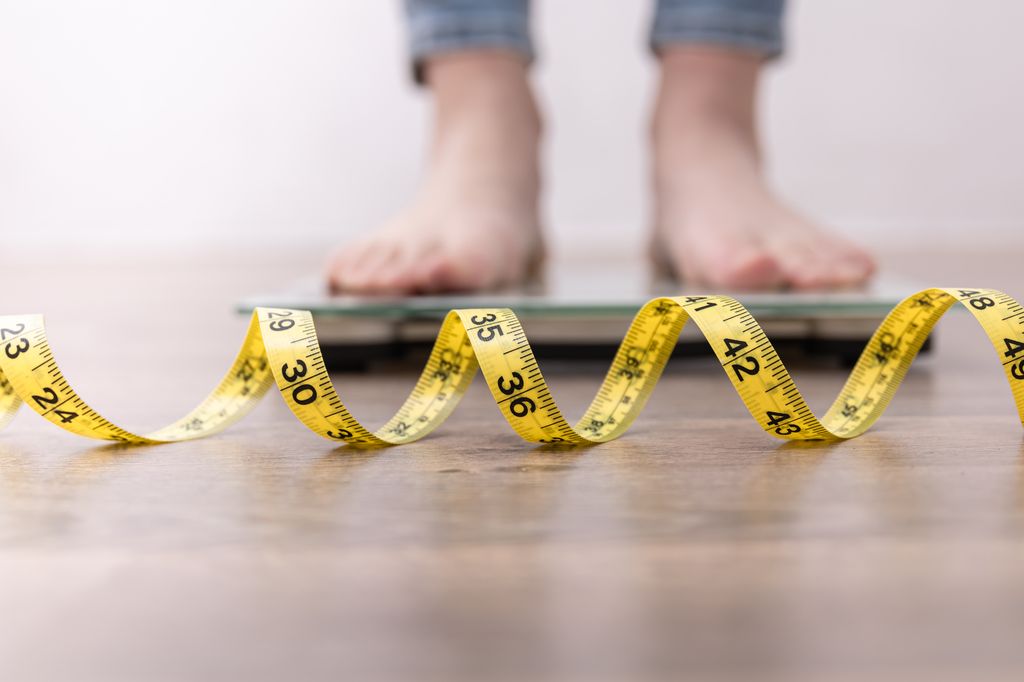
"Changing these deep-rooted patterns is a bit like reprogramming your internal wiring. A vital first step is a social media detox - unfollowing any accounts that trigger you or leave you feeling like your body or your diet aren't good enough.
 © Getty Images
"We are, quite literally, a product of the information we consume. To improve the quality of your thoughts, you have to be intentional about where you direct your focus. Start by seeking out accounts that celebrate body diversity and advocate for a 'health at every size' approach.
"If you're feeling overwhelmed, consider joining workshops on food psychology or seeking out psycho-nutrition therapy. Breaking free is incredibly difficult on your own - especially in a culture so obsessed with a very narrow aesthetic and a perfect way of eating"
Reaching out for professional support is often the bravest and most effective step you can take.
About the expert:
Miriam Salinas Gascón is a specialist therapist and author of the Spanish-language bestseller Atrévete a comerte la vida (Dare to Eat Your Life), where she shares the secrets to finally breaking free from diet culture.


