
You’re feeling a bit off - a lingering sense of emptiness or unease that you can't quite put your finger on, but it's there, weighing you down.
As author and psychiatrist Anabel Gonzalez explains, the cause is often found in the things that didn't happen - the absences, the emotional gaps and the things you missed out on in the past.
These quiet, hidden wounds can be the root of a constant sense of dissatisfaction in our relationships and our lives. Because of this, it's essential to do the "inner work" to find that missing piece of the puzzle and truly understand ourselves.
"In my clinical experience, I've seen how being ignored or abandoned can often be harder to heal than direct harm," says the expert. "We often don't even notice the impact, precisely because it's about what was missing."
We often focus on the things that have happened to us - the mark left by every event on our personal journey - but we don't usually stop to think about the things that didn't happen, do we?
"Exactly. Focus on the gaps or the background, rather than the figure that's standing out in the foreground. The point is that these things that go unnoticed can actually have a much greater impact than the more obvious events, because they're more of an undercurrent. Then things happen to us and we don't have the tools to understand them."
 © Getty Images
Are those emotional scars harder to spot?
"It's like an unwritten story - entire biography centred on the words that were never said to us, or that we never said ourselves. There's the gestures we missed out on, the hugs that were never given, on the silences. That version of our life might explain a lot about how we feel. Sometimes when you feel low and can't work out why, you look back and think, 'But nothing that bad actually happened to me!' But the gaps are often the missing puzzle piece we need for our feelings to make sense."
What are the main things that "didn't happen" - the gaps that leave an emotional mark and shape our daily lives, even when we don’t realise it?
"If you struggle with loneliness and go to any lengths to avoid being on your own, it's possible you experienced a profound sense of isolation at some point in the past. If you're constantly worried about being abandoned in your relationships, it could be that early feelings of being left behind are bubbling back up to the surface.
"Sometimes when you feel low, but you look back [on your experiences] and think, 'But nothing that bad actually happened to me!' But the gaps are often the missing puzzle piece we need to finally make sense of it"
"Similarly, if you feel like a fraud - as if you're never quite 'good enough' - it might be because you lacked someone who truly accepted you, warts and all, even when you made mistakes. So many [feelings] can seem over the top or irrational when viewed in isolation, but they start to make perfect sense once you get to the root of it and understand how to change things from there."
Can it actually hold us back - or even leave us feeling completely blocked?
"Yes, it can. Imagine, for instance, that you currently don't ever feel like a priority in your closest relationships. It's not necessarily that your parents didn't love you, or that you've suffered some major trauma. It could be as simple as having been the youngest child in a large family, or growing up where a family member was very ill and needed all the attention, so you might not have received the emotional nourishment a child needs.
"I'm not a big believer in one-size-fits-all advice, simply because we're all so different. But once we understand what was missing for us, we can begin to work out which seeds to sow in those gaps"
"Even though your childhood may be long gone, that sense that 'I don't matter' sticks with you. Because you feel you don't matter, you end up looking after everyone else first; your own needs are always at the back of the queue, and eventually, you find yourself running on empty."
How can we actually work out whether it's these "missing pieces" that are causing our emotional distress?
"We can start by pulling at the thread and asking ourselves: 'Does this feeling I'm struggling with feel familiar? Have I felt this way before, and when was the first time?' The brain adopts patterns of behaviour that make perfect sense at the time, but it often keeps them running on autopilot long after they've stopped being useful.
"For example, if you were picked on at school, you might have developed the belief that you can't trust anyone. Because of that, you might push away wonderful people who would never dream of hurting you... but your brain genuinely thinks it's protecting you. We have to teach our brains how to shift that perspective."
 © Getty Images/iStockphoto
I understand that it's important to look inwards and get to know ourselves to find those "gaps" - but is it really complicated?
"I actually think it's an interesting journey; there's something quite fascinating about discovering yourself. Even though I've worked in mental health for years, I never stop learning. I think that's a positive thing - if we reached a point where we knew everything, what would be the point of it all? But yes, of course, if you've been hard-wired to function a certain way your whole life, it's not going to change overnight. You have to be patient with yourself."
How can those past emotional wounds impact our mental and physical health in the present?
"If you've lacked that essential emotional nourishment, you can easily end up feeling depressed and completely drained. If you're constantly anxious about being abandoned again, it's all too easy for even the smallest things in your relationships to leave you feeling on edge. The negative experiences we've been through certainly teach us things, but they aren't always 'productive' lessons - especially in the long run. Sometimes they can lead to genuine mental health struggles and even physical health issues. The connection between the mind and the body, and the way they feed into each other, is becoming increasingly clear."
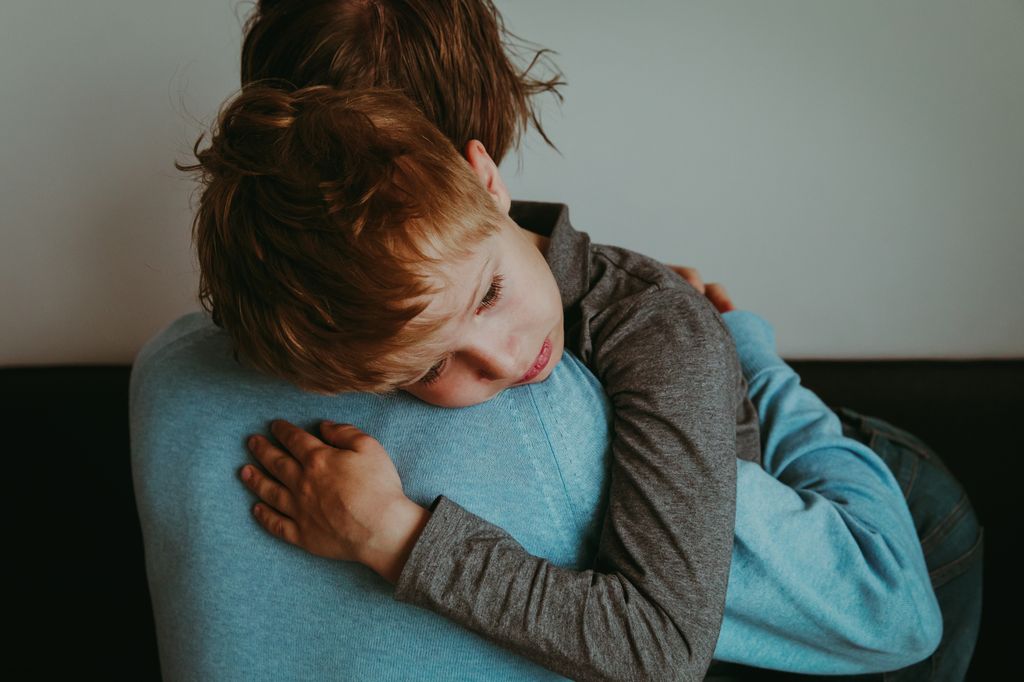 © Getty Images/iStockphoto
What are the signs that a person hasn't overcome an emotional wound from the past?
"We usually see it in the things that aren't working in their lives right now... If you take a moment to reflect, you might find that those painful feelings are still very much there. Regardless of how serious the event was, that initial sting should naturally fade over time. When it doesn't, it's a sign that the wound hasn't healed over properly. We need to go back and tend to it so it can finally scar over and stop hurting for good."
About the expert:
Anabel Gonzalez is a psychiatrist and author of the Spanish language book What Didn't Happen (Lo que no pasó), published by Planeta.