

Are you a woman who feels shattered almost every day? Perhaps you've run out of steam, your mood is all over the place, and you're finding it harder and harder to get a decent night's sleep. If any of this rings a bell, you've likely been told: "It's probably just your hormones."
And, more often than not, it is. There's no denying that hormones are the driving force behind our overall wellbeing, and it's certainly nothing to be embarrassed about. In fact, it's quite the opposite - we need to embrace and understand our hormone health.
That is the firm belief of nurse, nutritionist and author Lara Marín López, who has made it her mission to help us navigate and conquer the daily hormonal hurdles we all face.
"Knowledge is power, and understanding how your hormones influence every part of your life is the first step towards a more balanced, healthier you," Lara tells us as she answers all of our questions about hormonal harmony.
What is the one thing every woman should know about her hormones (but doesn't always)?
I really think schools should be teaching us how our bodies actually work from the get-go. We need to understand how the menstrual cycle functions - which hormones are kicking in and the various peaks and troughs we go through every month.
 © Getty Images
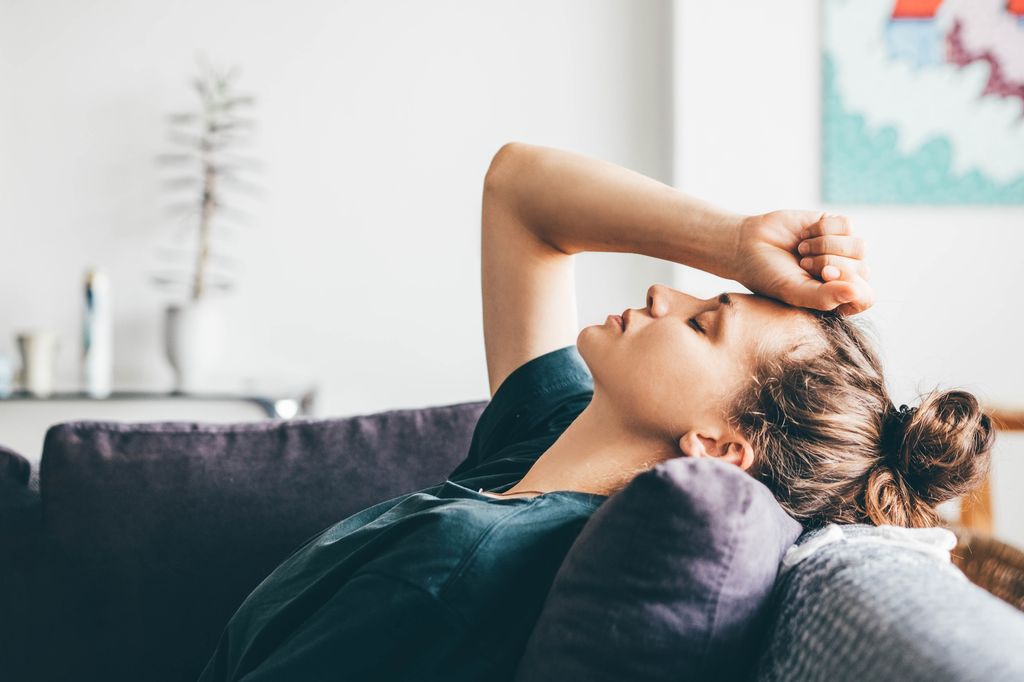
It's basic stuff, yet most of us hit puberty and start noticing changes we don't understand. Then, when our period finally arrives, we’re just handed a pad or a tampon and left to get on with it. It's incredibly unsettling. We need to understand the bigger picture too, like what the thyroid does, why we hold onto fat, or why we might be struggling with feeling cold or insomnia. To me, that's essential education.
'It's just your hormones.' It's such a tired cliché, isn't it? At times, it's actually quite damaging to women.
Well, it's only damaging if we keep using it the way we always have, which is usually in a dismissive, almost derogatory way. But if we use that knowledge the way I intend, to empower women and give them autonomy, then it's a different story. If [girls and women] understand exactly what's happening in their own bodies, they can use it to their advantage. Rather than it being a negative, we're actually getting to grips with our physiology so we can fix the issues. We need to understand why we're feeling low, why we can't sleep. Once we understand the "why" we can actually do something about it.
 © Getty
Can dealing with our hormones be a challenge in itself?
Absolutely, it can be a challenge, especially when we aren't doing what our body needs. We might be exercising like mad and feeling that our body isn't responding. We might be taking medications we don't need, and all of this can become a massive challenge. That's why it is so important to understand the big picture and hit the right spot.
What are the most common hormonal issues women face?
The most common issues, at least those I see in my clinic, are difficulty losing weight, especially when we reach a certain age, a lack of energy - mainly in the afternoons, but it can be throughout the day. Also, low mood, irritability - not only in the premenstrual phase but throughout the entire cycle. Beyond that, of course, there are pains with menstruation, heavy bleeding, headaches and also, sometimes, there are also fertility issues.
 © Getty Images
You encourage women to take control of our hormones.
To talk about taking "control", as in absolute control, might sound pretentious. But what I want to do is encourage women not to lose hope that they can take charge of their health, be in a better mood and have more energy. And the first thing to do for all of this to improve is to understand how our body works.
What are the most common signs that can alert us to a hormonal imbalance?
Hormones influence practically all bodily functions, so an imbalance can manifest in many ways. Some of the most common signs include constant fatigue, unexplained weight changes or difficulty losing weight, insomnia issues, hair loss, acne, irregular, painful or heavy menstrual cycles, brain fog and changes in mood. We often normalise these symptoms, but they are signals that our hormones need support.
Why are mood swings so closely linked to hormones?
Hormones are essentially chemical messengers that dictate our emotions. The likes of oestrogen, progesterone, cortisol, serotonin, and dopamine all play a vital part in how we feel. For instance, when oestrogen levels swing sharply - as they do during perimenopause or the premenstrual phase - it's very common to feel irritable, anxious, or a bit low. It's the same story with cortisol, the stress hormone; if it's constantly spiked, we end up feeling incredibly reactive and completely knackered.
 © fizkes
What impact can stress have on hormonal health?
Stress is one of the biggest threats to our hormonal balance. When we're constantly under pressure, the body prioritises cortisol and adrenaline to keep us in that 'high alert' state.
"Exercise, stress management and proper rest are all powerful tools for restoring balance"
This often comes at the expense of other hormones, like progesterone, oestrogen and thyroid hormones, which can lead to irregular periods, digestive issues, insomnia and feeling completely drained. What's more, over the long term, the constant release of glycogen into the bloodstream means chronic stress can lead to insulin resistance and systemic inflammation, making it even harder to feel our best.
What can we do when hormones turn our daily lives upside down?
The first thing is to identify what is causing the imbalance. Sometimes it may be due to the stage of life we are in (for example, menopause). However, more often than not, it's a combination of a poor diet, chronic stress, lack of sleep and exposure to endocrine disruptors. The good news is that the human body is incredibly resilient; we can actually get our hormones back on track simply by making a few lifestyle changes.
Is it hard for the people around us to grasp that we're just having a bad day because of a hormonal imbalance?
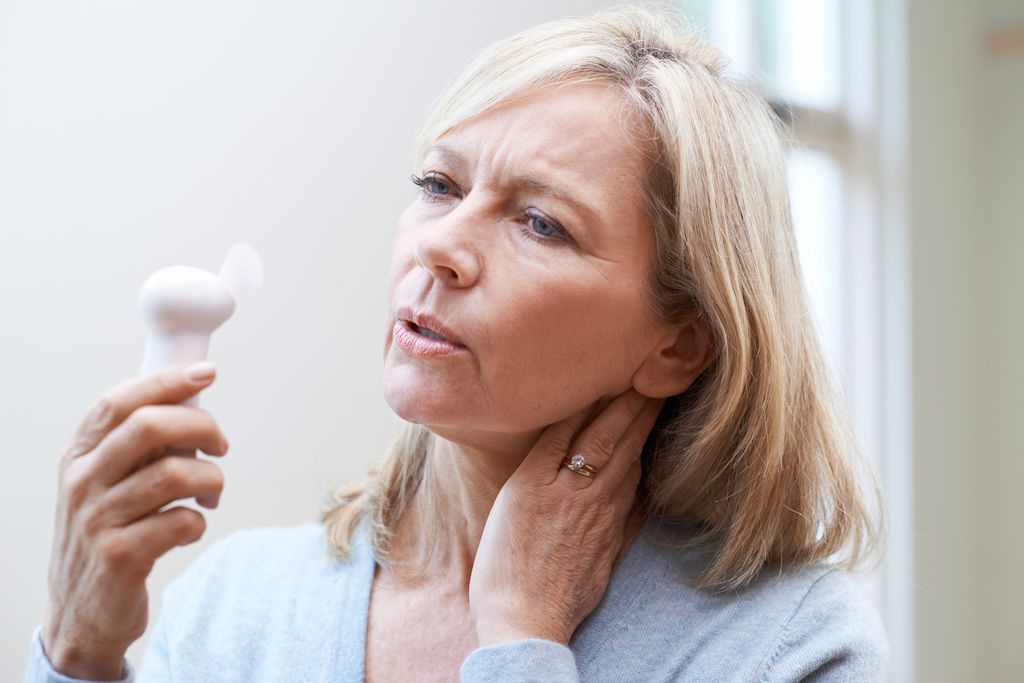
Definitely, and that's because there's still such a lack of awareness regarding how much hormones actually affect us, both physically and emotionally. So many women feel they just have to "grin and bear it" without making a fuss, which only leads to more frustration. It's so important to educate those around us and, most importantly, make sure that our feelings aren’t brushed aside. Having hormonal highs and lows doesn't make you "unstable" or "dramatic"; it's simply your body's way of saying it needs something.
 © Getty Images
Can diet help us in these cases of hormonal imbalances?
Absolutely. What we eat has a direct impact on our hormones. For example, a diet high in sugars and ultra-processed foods generates inflammation and insulin resistance, which upsets the balance of our sex and thyroid hormones.
"A diet based on quality protein, healthy fats, plenty of veg and complex carbohydrates helps to steady our blood sugar and support healthy hormone production"
Do we need to take supplements in some cases?
Yes, although it must always be personalised and supervised. Some women may benefit from supplements like magnesium, omega-3, Vitamin D, inositol or adaptogens like ashwagandha, depending on their hormonal situation. But the foundation must always be a healthy lifestyle; supplements cannot replace a poor diet or a life with high stress levels.
What simple lifestyle changes can we make to improve our hormonal balance?
Small changes can make a big difference:
- Prioritise a diet rich in protein, healthy fats, and fibre to keep your blood sugar steady.
- Cut back on sugar and refined flour to avoid those sharp insulin spikes.
- Aim for at least seven hours of sleep a night and try to keep to a consistent routine.
- Make time for daily movement, whether that’s a brisk walk, yoga, or some strength training.
- Learn to manage stress using tools like mindful breathing, meditation or simply getting out into nature.
- Steer clear of endocrine disruptors often found in cosmetics and plastic containers.
About the expert:
Nurse and nutritionist Lara Marín López is the author of the Spanish-language book Toma El Control de Tus Hormonas (Take Control of Your Hormones).


